No se pudo cargar el audio. Inténtalo de nuevo más tarde.
Cómo se usa
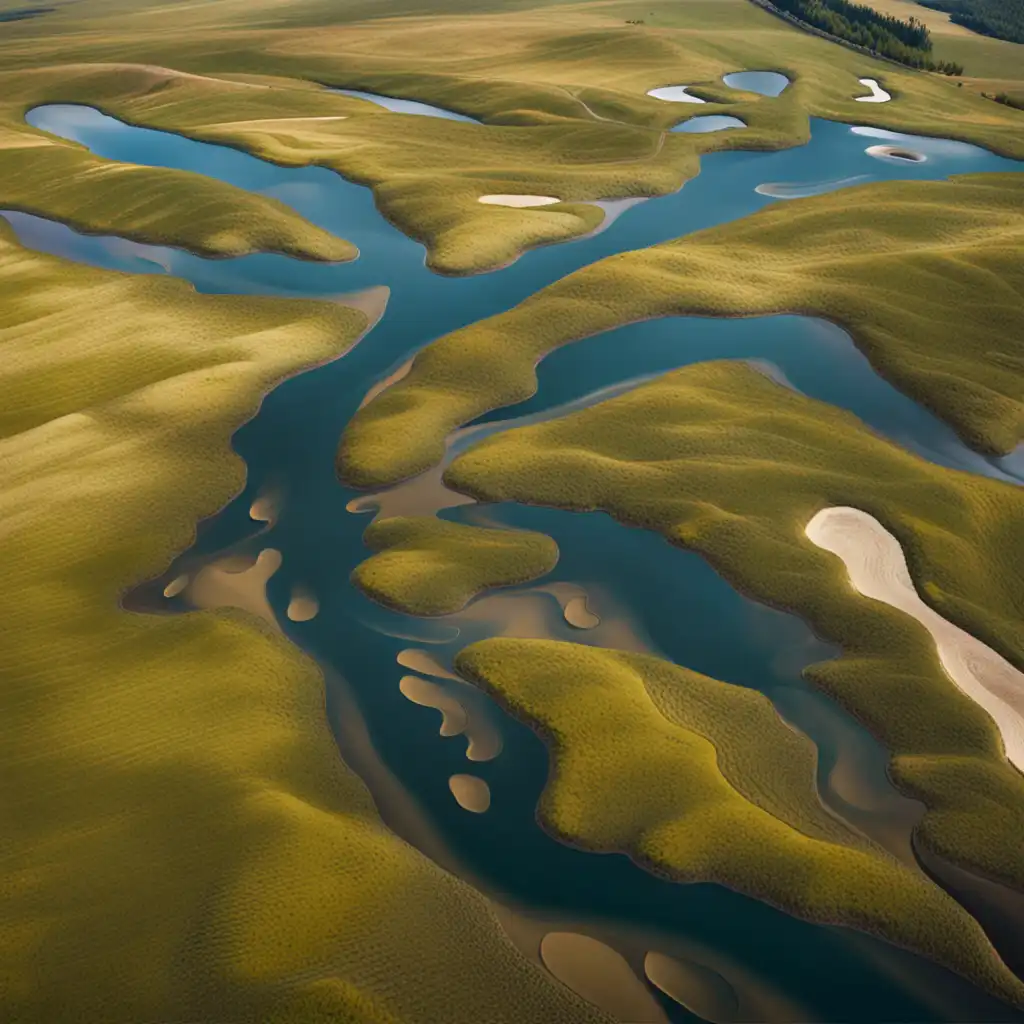
Topography refers to the physical layout of a place, including its features such as hills, valleys, and bodies of water. You might hear this word used when people are talking about maps or geography, as it describes the characteristics of a specific area or region. For example, if someone is discussing the topography of a new hiking trail, they may be referring to the incline of the trail or the types of terrain it crosses. Overall, topography refers to the natural landscape of an area and how it is arranged.
Cartography is the art and science of making maps while topography is the study and mapping of the features and contours of land surfaces.
Cartography is applicable in creating maps for navigation, planning, and visual representation of land areas. It involves drawing accurate maps based on data collected from various sources such as satellite images, surveys, and fieldwork.
Cartography is about creating maps, while topography is about describing the physical features of land. Both fields are essential for understanding and utilizing land for various purposes.
Geography is a broader term that refers to the study of the earth and its features including physical and cultural aspects.
It deals with the distribution and interaction of human and natural resources on the earth's surface. Geography examines the physical environment, climate, population, culture, politics, economics, and natural resources of a place or region.
On the other hand, Topography describes a specific aspect of geography. It refers to the physical features of the earth's surface, including the elevation, relief, and contours of the land.
Geography is a more general term that covers all aspects of the earth's surface while topography focuses specifically on the physical features of the land.
Landscape refers to the overall view or visual appearance of an area or land, including natural features such as mountains, rivers, forests, and man-made features such as buildings, roads, and bridges.
Landscape is what we see, while topography is the detailed description of what we see. Landscape is more applicable to art, photography, and tourism, while topography is more applicable in geography, geology, and engineering.
Terrain and topography both refer to the physical features of land, but they differ in their scope and specificity.
Terrain refers to the overall characteristics of an area of land, including its elevation, slope, and texture. It describes the general lay of the land, such as whether it is flat or hilly, and how rough or smooth the terrain is.
Terrain is generally used to describe large areas of land, such as mountain ranges, deserts, or coastlines.
Terrain describes the overall characteristics of a large area of land, whereas topography refers to the detailed features of a smaller piece of land.
Good buildings make and are made by their settings, and they are appropriately different in different locations. Climate, culture, topography and materials have helped create regional architectural languages that seem curiously right for their locations and for all times.
Abstraction brings the world into more complex, variable relations; it can extract beauty, alternative topographies, ugliness, and intense actualities from seeming nothingness.
I compare a lot of life to looking at a map through a straw. The less ability you have to see life in a humorous way, the smaller the straw is that you're looking at the map of life. You're not looking at the whole picture. You can't see the whole topography without it, and it can help you to make better choices.
When an author creates a town in her novels, she spends a great deal of time visualizing the streets and buildings, landmarks and topography. And while the town becomes real in her imagination, it's rare for an author to see the place she's created actually spring to life.
I don't think that 'The Weight of the World' is all about politics. It's like, how the environment and how the natural topography of this planet would ever fall into a political division, debate, just leaves me confused.
Cities are complex and contain just about any thing or concept ever invented by humans. How the city is built, its topography, and how close you live to your work and a grocery store affects your mobility.
The form a city assumes as it evolves over time owes more to large-scale works of civil engineering - what we now call infrastructure - than almost any other factor save topography.
I don't think you can separate a place from its history. I think a place is much more than the bricks and mortar that go into its construction. I think it's more than the accidental topography of the ground it stands on.