
barbarity
noun barbarity
bɑːrˈbærəti
Cruel or violent treatment or behavior
The news exposed the barbarity of child labor in some countries.
barbarity
bɑːrˈbærəti
불러오는 중…
bɑːrˈbærəti
Cruel or violent treatment or behavior
The news exposed the barbarity of child labor in some countries.
bɑːrˈbærəti
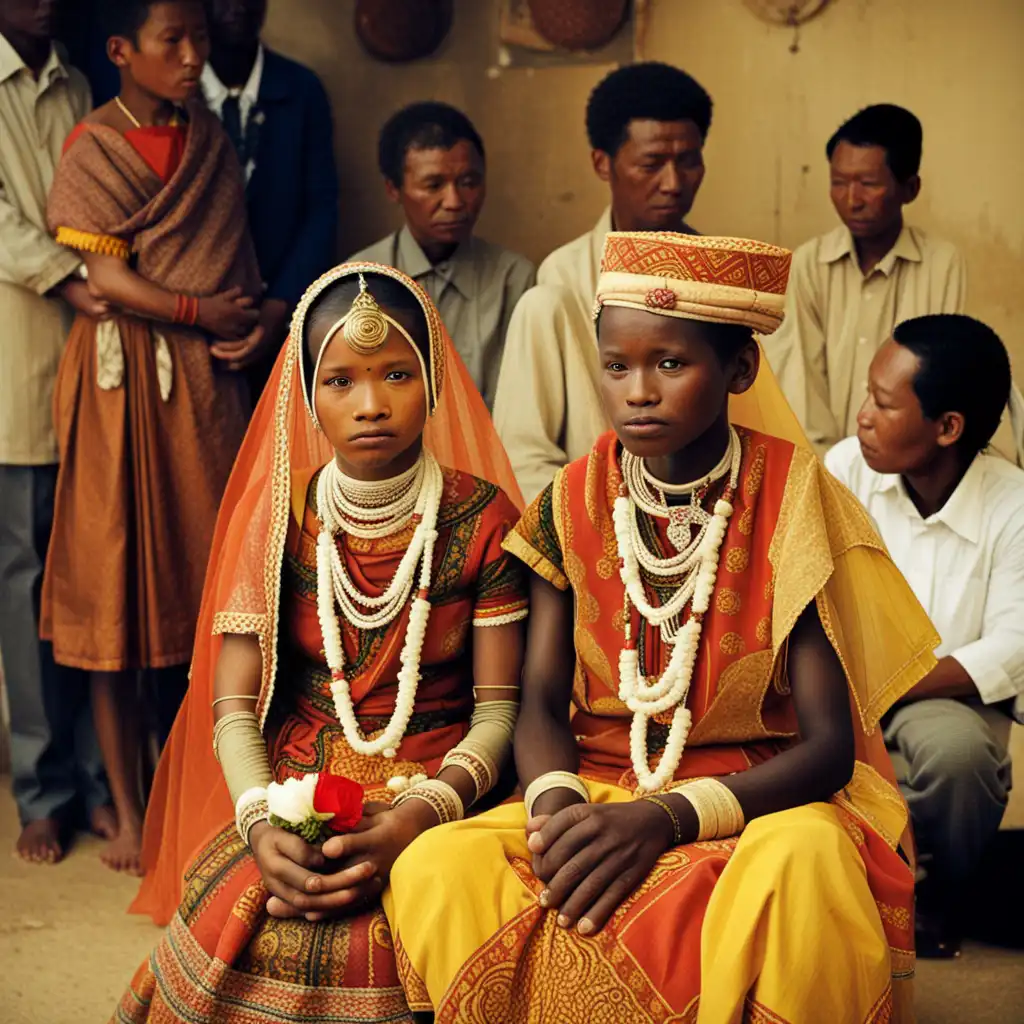
A state of being uncivilized or primitive
Critics say that the practice of child marriage indicates a state of social barbarity.
오디오를 불러오지 못했어요. 잠시 후 다시 시도해 주세요.
The word 'barbarity' is used to describe something that is cruel, brutal, and savage. It can refer to acts of violence, torture, or any form of inhumane behavior that causes harm to others. For example, the barbarity of war, the barbarity of slavery, or the barbarity of animal cruelty. The word is typically used in formal or serious contexts, such as news articles, legal documents, or political speeches. As an English learner, it is important to understand the meaning and appropriate usage of this word in order to communicate effectively and accurately convey your thoughts and ideas.
Atrocity refers to a very cruel, violent and horrifying act committed by someone. For example, the Holocaust is considered an atrocity.
Both words refer to acts of cruelty, but atrocity usually refers to a specific event or action, while barbarity refers to a general behavior or way of acting.
단어 열기: Atrocity →Barbarism refers to a primitive or uncivilized state, while barbarity refers to an act of cruelty or brutality that is considered savage or uncivilized.
For example, barbarism can describe a society or culture that lacks advanced technology, education, or social organization.
Both words are negative and have a similar connotation, but barbarism is more commonly used to describe a state of being or living, while barbarity describes a specific action or behavior.
단어 열기: Barbarism →Brutality refers to extremely violent or cruel behavior, often by someone in a position of power or authority.
It is linked more specifically to physical violence, such as police brutality or the brutal treatment of prisoners.
To summarize, barbarity refers to cruel and savage actions or behaviors, and brutality refers specifically to extreme physical violence.
단어 열기: Brutality →Barbarity refers to acts of extreme cruelty, violence, and savageness that go beyond normal standards of behavior. It implies a lack of civilization and humanity.
Barbarity is usually applied when the act is considered to be very brutal or savage. Cruelty can refer to any act of intentional harm, pain or suffering to a person, animal or anything living.
Cruelty often refers to actions that are unnecessarily harsh, violent, or unkind. It is a broad term that includes any form of physical or emotional harm.
Cruelty can occur in many forms such as bullying, torture, abuse or neglect.
단어 열기: Cruelty →Ferocity refers to extreme aggression or fierceness.
It can describe animals or people who are very aggressive or violent. For example, a lion attacking its prey with ferocity would mean that it is attacking with great strength and intensity.
Barbarity describes cruel and brutal acts, while ferocity describes intense aggression or violence.
단어 열기: Ferocity →Barbarity and inhumanity are both words that describe cruel and brutal behavior, but they are slightly different in their application.
Inhumanity refers more broadly to behavior that goes against basic human decency and compassion.
Examples of inhumanity might include slavery, forced labor, or discrimination based on race, gender, or sexuality.
Barbarity is often used to describe extreme acts of violence and aggression, while inhumanity is more focused on the broader context of oppression and unfair treatment.
단어 열기: Inhumanity →Both barbarity and savagery refer to cruel and violent behavior, but they have slightly different connotations.
Savagery is a more general term that refers to behavior that is brutal, wild, or uncivilized.
Both words can be used interchangeably in some cases, but generally barbarity implies a lack of culture or refinement, while savagery implies a lack of civilization or humanity.
단어 열기: Savagery →Barbarity and wicked both refer to morally bad or cruel behavior, but there is a slight difference in their connotations.
Wicked generally refers to behavior that is morally bad or evil, but not necessarily violent or savage.
It can include actions that are deceitful, dishonest, or morally corrupt. For example, a thief is often described as wicked because they are doing something that is morally wrong for personal gain.
In essence, barbarity is usually associated with physical cruelty, while wickedness is more associated with moral wrongness.
단어 열기: Wicked →If the people raise a great howl against my barbarity and cruelty, I will answer that war is war, and not popularity seeking.
Do your bit to save humanity from lapsing back into barbarity by reading all the novels you can.
Sooner barbarity than boredom.
One person's barbarity is another person's civilisation.
Although lynchings have steadily increased in number and barbarity during the last twenty years, there has been no single effort put forth by the many moral and philanthropic forces of the country to put a stop to this wholesale slaughter.
The only hope is that our civilization will collapse at a certain point, as always happens in history. Then, out of barbarity, a renaissance.
Against barbarity, poetry can resist only by confirming its attachment to human fragility like a blade of grass growing on a wall while armies march by.
Hanging may seem barbarous, but the greater barbarity lies in the slow abandonment of our common law traditions.
By 'justice', I understand nothing more than that bond which is necessary to keep the interest of individuals united, without which men would return to their original state of barbarity. All punishments which exceed the necessity of preserving this bond are, in their nature, unjust.
Everything, everything in war is barbaric... But the worst barbarity of war is that it forces men collectively to commit acts against which individually they would revolt with their whole being.