vaporization
noun vaporization
ˌveɪpərəˈzeɪʃn
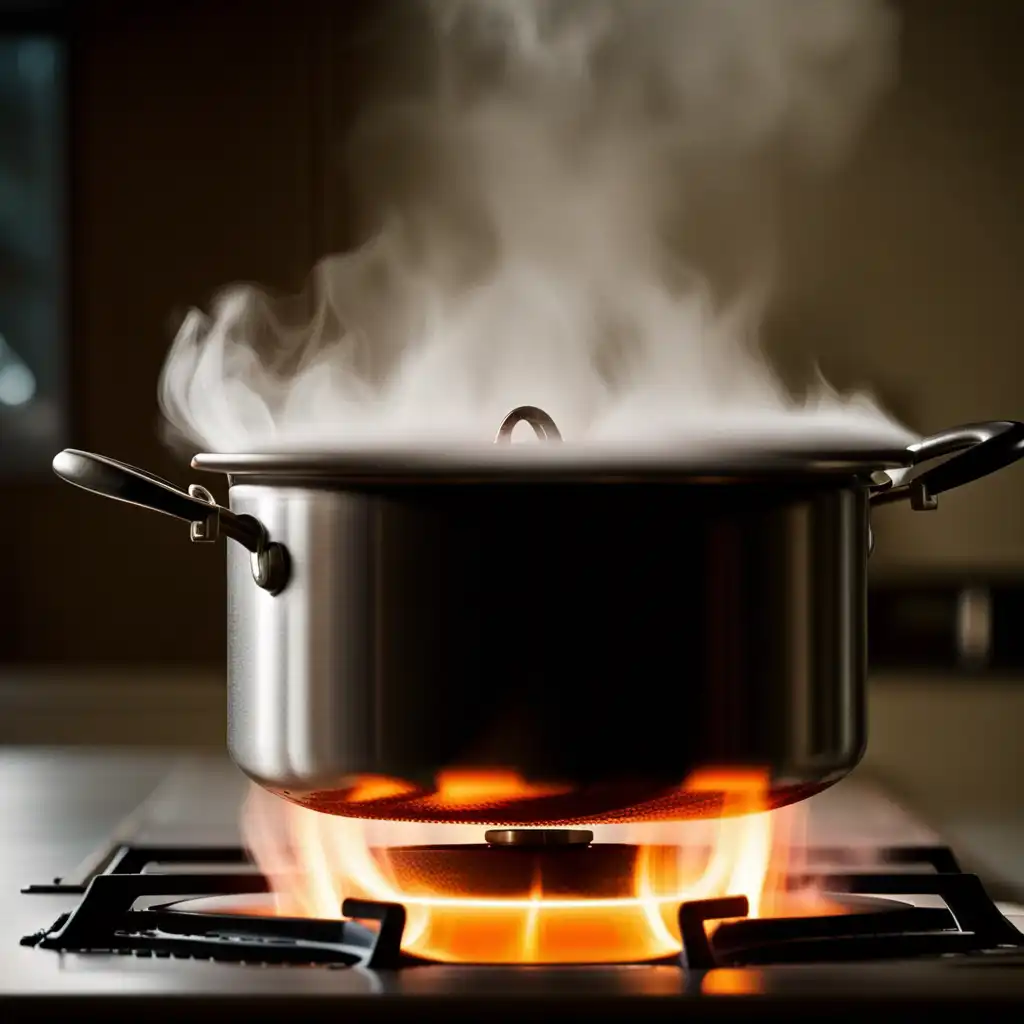
The process where a liquid or solid changes to a gas.
When water boils, it goes through vaporization and becomes steam.
vaporization
ˌveɪpərəˈzeɪʃn
加载中…
ˌveɪpərəˈzeɪʃn
The process where a liquid or solid changes to a gas.
When water boils, it goes through vaporization and becomes steam.
ˌveɪpərəˈzeɪʃn
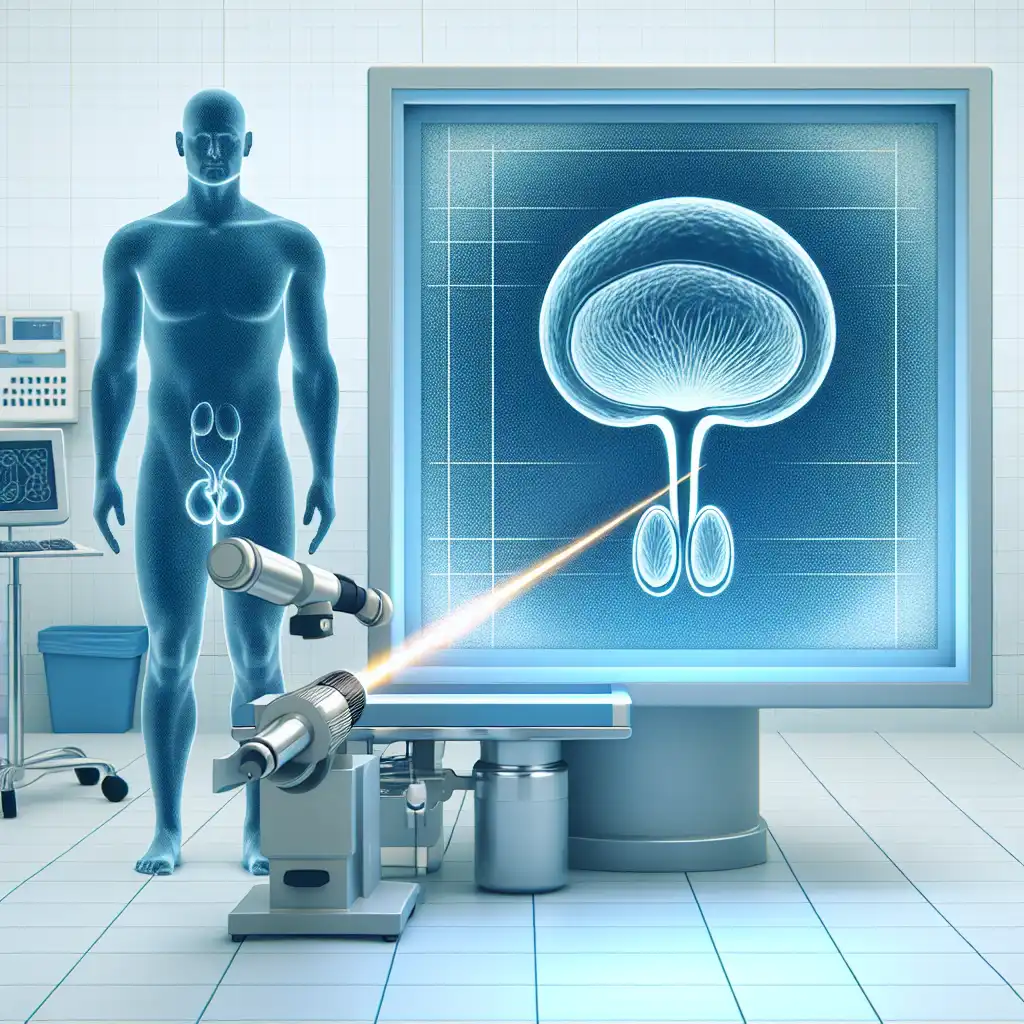
A medical procedure where a substance is turned into vapor to destroy or remove tissue.
Lasers are used for the vaporization of the prostate gland in men with prostate problems.
音频无法加载,请稍后再试。
The word 'vaporization' means the process of turning a liquid into a gas or vapor. This often happens when you heat up a liquid such as water, and it turns into steam. Vaporization can also occur with other substances that are in liquid form, such as alcohol or gasoline. You might use the word 'vaporization' when talking about the science behind cooking, brewing, or refining processes. It's a useful word to know if you're learning about chemistry, physics, or other sciences that deal with changes of matter from one state to another.
Desiccation refers to the process of removing moisture or drying out, while vaporization is the process of turning a liquid into a gas.
Desiccation can happen to living organisms or non-living materials, while vaporization occurs when a substance reaches its boiling point and turns into a gas.
For example, desiccation can happen to a plant that is not watered for a long time or to food that is left out and becomes dry.
打开单词: Desiccation →Dissipate refers to the process of gradually disappearing or dispersing.
It usually describes the gradual disappearance of something like heat, energy or a gas. For example, when you blow on hot soup to cool it down, the heat slowly dissipates into the air.
Dissipate refers to something gradually fading away, while vaporization refers to a liquid turning into a gas.
打开单词: Dissipate →Evaporate means to change from a liquid to a gas. For example, when water or alcohol is left in an open container and disappears, it is called evaporation.
This is commonly seen in boiling water, where the liquid becomes a gas due to heat. Evaporate is a specific case of vaporization where only liquids can convert to gases, whereas vaporization is a more general term that includes the process of turning solids and liquids into gases.
打开单词: Evaporate →Sublimation is the process in which a solid is directly converted into a gas without going through the liquid state. For example, when dry ice (solid carbon dioxide) is exposed to room temperature, it sublimates into carbon dioxide gas.
In summary, sublimation is the direct conversion of a solid into a gas, while vaporization is the conversion of a liquid into a gas.
打开单词: Sublimate →Venting refers to the act of releasing something, such as air or gas, from an enclosed space by creating an opening. This is applicable in situations where pressure needs to be released, such as in a plumbing system or a sealed container that has built up pressure.
Venting can also refer to expressing or giving vent to emotions or feelings, such as through talking or writing.
Vaporization is about turning a substance into a gas, while venting is about releasing something from an enclosed space.
打开单词: Vent →Steve Truglia: A leap...
在 YouTube 上观看 ↗