brushwood
noun brushwood
ˈbrʌʃwʊd
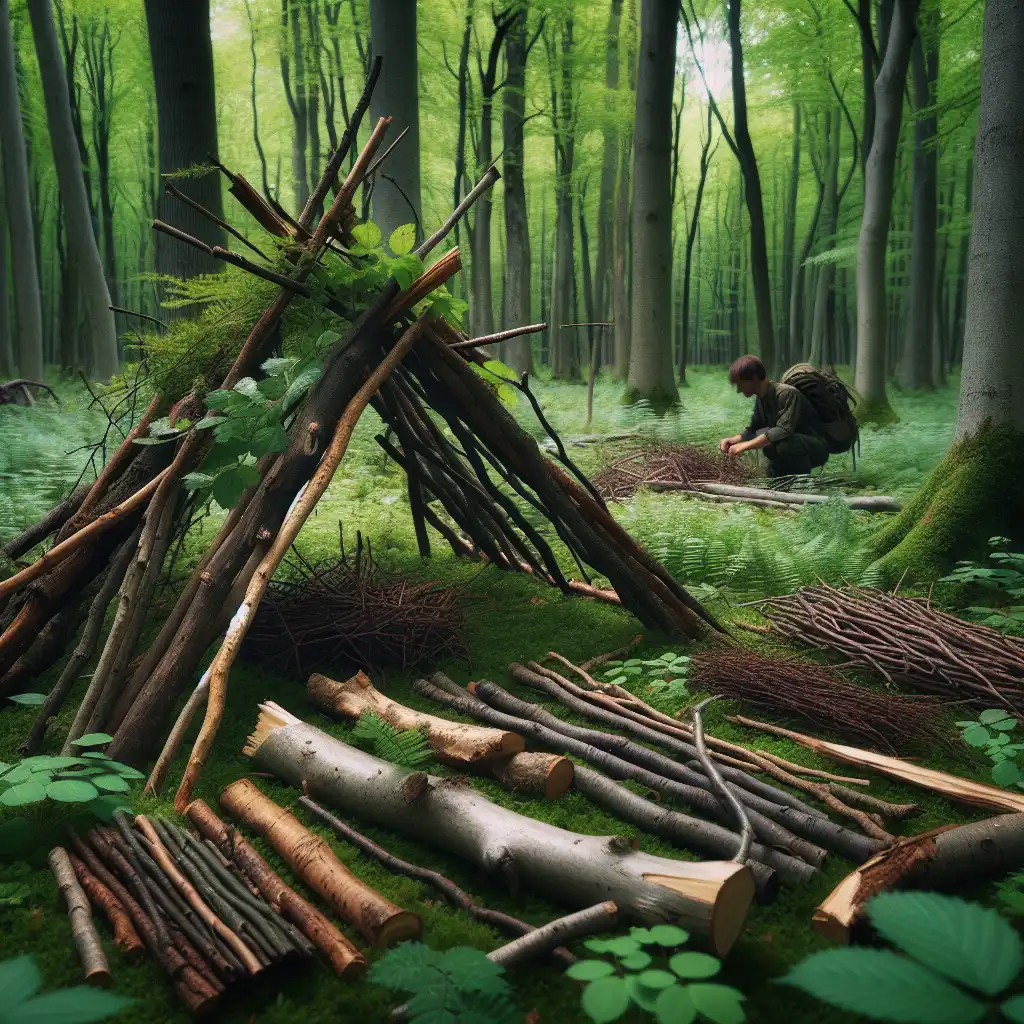
Small branches, twigs, leaves and other plant material, often discarded after cutting a tree or cleaning a garden
He gathered the brushwood to make a small, temporary shelter.
brushwood
ˈbrʌʃwʊd
加载中…
ˈbrʌʃwʊd
Small branches, twigs, leaves and other plant material, often discarded after cutting a tree or cleaning a garden
He gathered the brushwood to make a small, temporary shelter.
音频无法加载,请稍后再试。
Brushwood refers to the small branches, twigs, and stems that are cut from trees and used for various purposes. This term is used mostly in rural or natural settings, such as in forests, gardens, or farms. Brushwood can be used for making fences, building shelter, starting fires, or as a mulch to protect soil from erosion. When hiking or camping, it is common to gather brushwood for starting a fire or building a shelter.
Bracken and brushwood are both plant materials, but they refer to different things. Bracken is a type of fern that grows in dense clumps, usually found in open areas like hillsides or forests.
Bracken is more applicable to describing a specific type of plant, while brushwood is a more general term for a collection of woody materials.
Bracken is used mostly for its ornamental value or as animal feed, while brushwood is often used for fuel or as a building material for things like fences and walls.
Bracken and brushwood are similar in that they are both natural materials, but they have different uses and applications depending on the context.
打开单词: Bracken →Brush refers to a collection of small branches or twigs, often used for scrubbing or cleaning. Brushwood, on the other hand, refers to a larger collection of branches or small trees that have been cut down, often for clearing land or making a fire.
While both terms refer to collections of branches, brush is generally smaller and used for cleaning, while brushwood is larger and used for other purposes such as landscaping or fuel.
打开单词: Brush →A copse refers to a small group of trees or bushes that grow together closely. This term typically applies to larger trees or denser vegetation.
Brushwood is typically used to refer to small, dry branches that have been cut down, while a copse is used to refer to a small group of trees or bushes that grow together.
打开单词: Copse →Foliage refers to the leaves of a plant or tree, and it is applicable in any setting where there are plants or trees, such as gardens, forests, and parks.
Brushwood is a dense mass of small branches used for fencing, while foliage refers to plant leaves and is applicable in any setting where there are plants.
打开单词: Foliage →It is usually used as fuel for outdoor fires or as material for making fences or other structures. Scrub refers to a patch of overgrown land or vegetation that may include trees, bushes, and other plants.
Scrub often grows in areas where other vegetation has been cleared, such as after a fire, and is characterized by dense, low-growing plants.
Scrub is often used to describe natural areas, while brushwood is usually associated with human-made structures or activities.
打开单词: Scrub →Brushwood refers to a cluster of small, dead twigs and branches that have fallen from trees, while shrubbery refers to a group of living shrubs or bushes that are growing in a particular area.
Brushwood is typically used to describe debris from trees that are used as kindling or as a barrier for privacy or decoration, while shrubbery describes the plants themselves and their growing patterns.
Essentially, brushwood is a collection of dead sticks, while shrubbery is a collection of live plants.
打开单词: Shrubbery →It is usually used for fuel or to make fences. Thicket refers to a dense growth of trees and bushes, which can be hard to pass through.
Thickets are typically found in wooded areas or forests. So, while brushwood is used for practical purposes like fuel, thicket refers to a natural growth of vegetation that can be difficult to navigate.
打开单词: Thicket →Underbrush refers to the small plants and vegetation that grow under the trees in a forest. It includes shrubs, young trees, bushes, and vines.
Brushwood is applicable for fuel and kindling purposes, while underbrush is applicable for describing the vegetation in a forested area.
打开单词: Underbrush →Baby Squirrels Nesting %\PIPE%...
在 YouTube 上观看 ↗