facsimile
noun facsimile
fækˈsɪməli
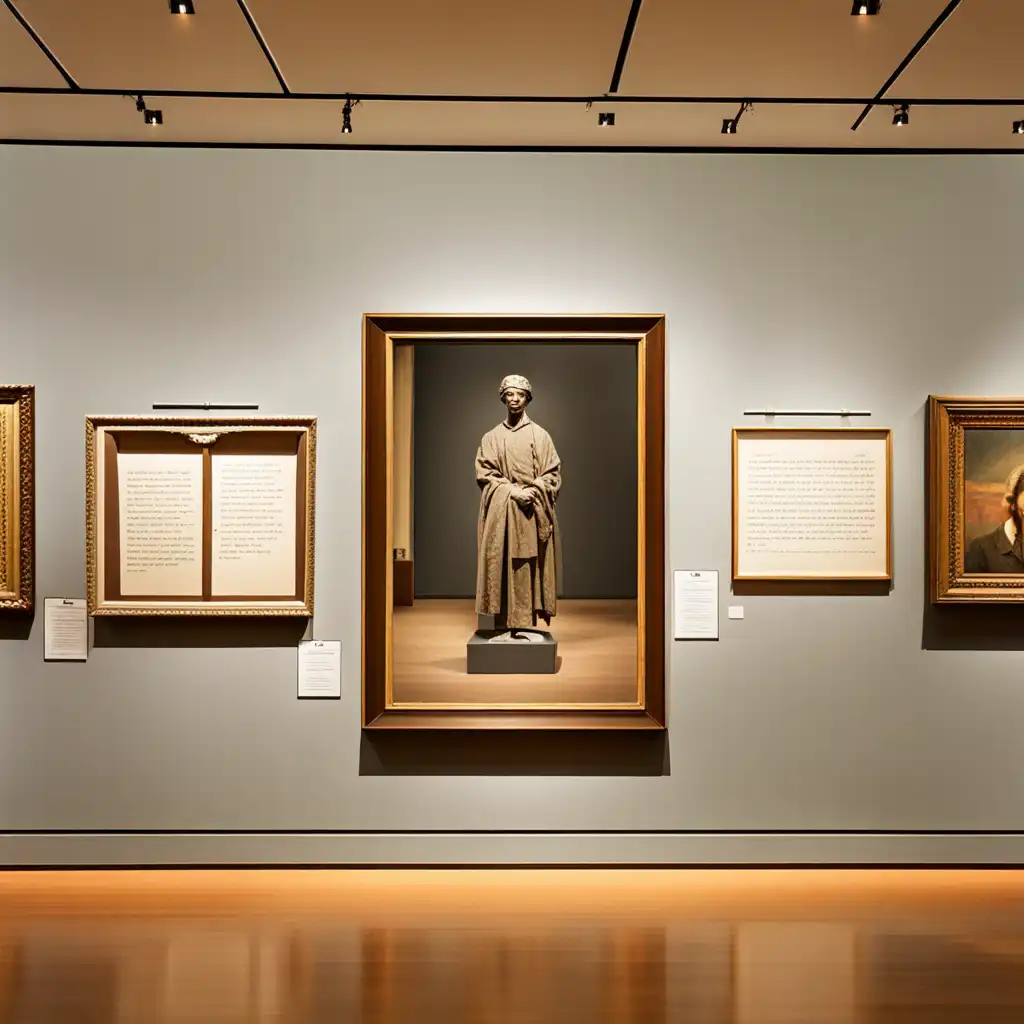
Exact copy or reproduction of something
The museum displayed a facsimile of the original artwork.
facsimile
fækˈsɪməli
加载中…
fækˈsɪməli
Exact copy or reproduction of something
The museum displayed a facsimile of the original artwork.

fækˈsɪməli
A faxed document
Please send me a facsimile of the proposal for review.
音频无法加载,请稍后再试。
The word 'facsimile' is often used when we talk about making an exact copy of something, such as a document or a signature. For example, if you need to send a copy of a document to someone but you can't physically give them the original, you can use a machine called a fax machine to send a facsimile (fax) of the document. It is also sometimes used to describe a reproduction of an artwork or manuscript that is meant to look exactly like the original.
A clone is an exact genetic copy of an organism, while a facsimile is an exact copy or reproduction of a document, object or image.
Cloning is applicable in biology or genetic engineering where scientists create genetically identical organisms that have the same DNA sequence as the original organism.
For example, scientists have successfully cloned sheep, monkeys and even dogs.
Clone refers to creating an exact replica of a living organism, while facsimile refers to creating an exact copy of a document or object.
打开单词: Clone →Copy means to create a reproduction of a document or item that is similar to the original, but not necessarily identical.
This can be done by hand, using a photocopier, or through digital means. Copies are often used for personal reference, distribution, or archival purposes.
In other words, a facsimile is a precise copy that is intended to be as close to the original as possible. Facsimiles are typically used for academic or historical purposes, where accuracy and authenticity are important.
So, while a copy may look similar to the original, a facsimile will look and feel exactly like the original. Copies are generally used for everyday purposes, while facsimiles are reserved for situations where precision and authenticity are crucial.
打开单词: Copy →Duplicate means an exact copy of something. For example, if you have a document and you make an exact second copy of it, that copy would be a duplicate.
Duplicate refers to an exact copy while facsimile refers to a close or similar reproduction. Which word to use depends on how exact you need the copy to be.
打开单词: Duplicate →Like means similar or resembling something, but not necessarily an exact copy.
It is usually used when making a comparison or describing something that has similarities with something else. For example, a dress that looks like the one worn by a celebrity, or a movie that is like another movie in terms of style or genre.
Facsimile refers to an exact copy, while like refers to something that is similar but not identical.
打开单词: Like →A replica is a copy of an object, such as a statue or a piece of furniture.
A replica is usually made by hand and may not be exactly identical to the original, but it is meant to be as close as possible in appearance and function.
Replicas are often used in museum exhibits, film and television productions, and historical reenactments.
A facsimile is a copy of a document or paper, and a replica is a copy of an object, and each has different applications.
打开单词: Replica →On the other hand, reproduction refers to the process of creating a similar or identical copy of something, but not necessarily an exact replica.
Reproductions can be created through various methods, such as printing, casting, or molding. Reproductions are often used in manufacturing or design contexts where creating multiple copies of a product is necessary.
Facsimile is about making an exact copy while reproduction is about making a similar copy that may not be exact. Facsimile is typically used in important documents, while reproduction is often used in manufacturing.
打开单词: Reproduce →Susan Graham: A new way...
在 YouTube 上观看 ↗I felt my whole life was a facsimile of a life.
As a child, I was always a sucker for anything in miniature, and it didn't have to be a dress: a desk, a Matchbox truck. Perhaps a childhood attraction to shrunken but compellingly realistic facsimiles is commonplace, if only because children themselves are compellingly realistic facsimiles of the giants who rule their world.
The thing I do miss about the way some sequels were in the past was that each film felt like its own unique, complete tone. Now, sequels are tonal facsimiles of the ones before them, like a television series, whereas back in the past sequels would often be radically different from the ones before.
Very quickly a painting is turned into a facsimile of itself when one becomes so familiar with with it that one recognizes it without looking at it.
History is a facsimile of events held together by finally biographical information.
If you try to create someone else's performance, it becomes a facsimile of a facsimile.
There are so many young women who tip over into being a facsimile: they don't really inhabit their lives or their bodies.
Zoos are becoming facsimiles - or perhaps caricatures - of how animals once were in their natural habitat. If the right policies toward nature were pursued, we would need no zoos at all.
What's interesting about Lego is it's constantly reminding you that it's a facsimile of something else.
The best way to learn is live, in person, cooking, feeling, smelling and tasting, but TV is the second-best thing to that; it's a halfway facsimile.