
stagnate
verb stagnate
ˈstæɡneɪt
To stop developing, growing, progressing, or advancing
His career started to stagnate after many years in the same job.
stagnate
ˈstæɡneɪt
読み込み中…
ˈstæɡneɪt
To stop developing, growing, progressing, or advancing
His career started to stagnate after many years in the same job.
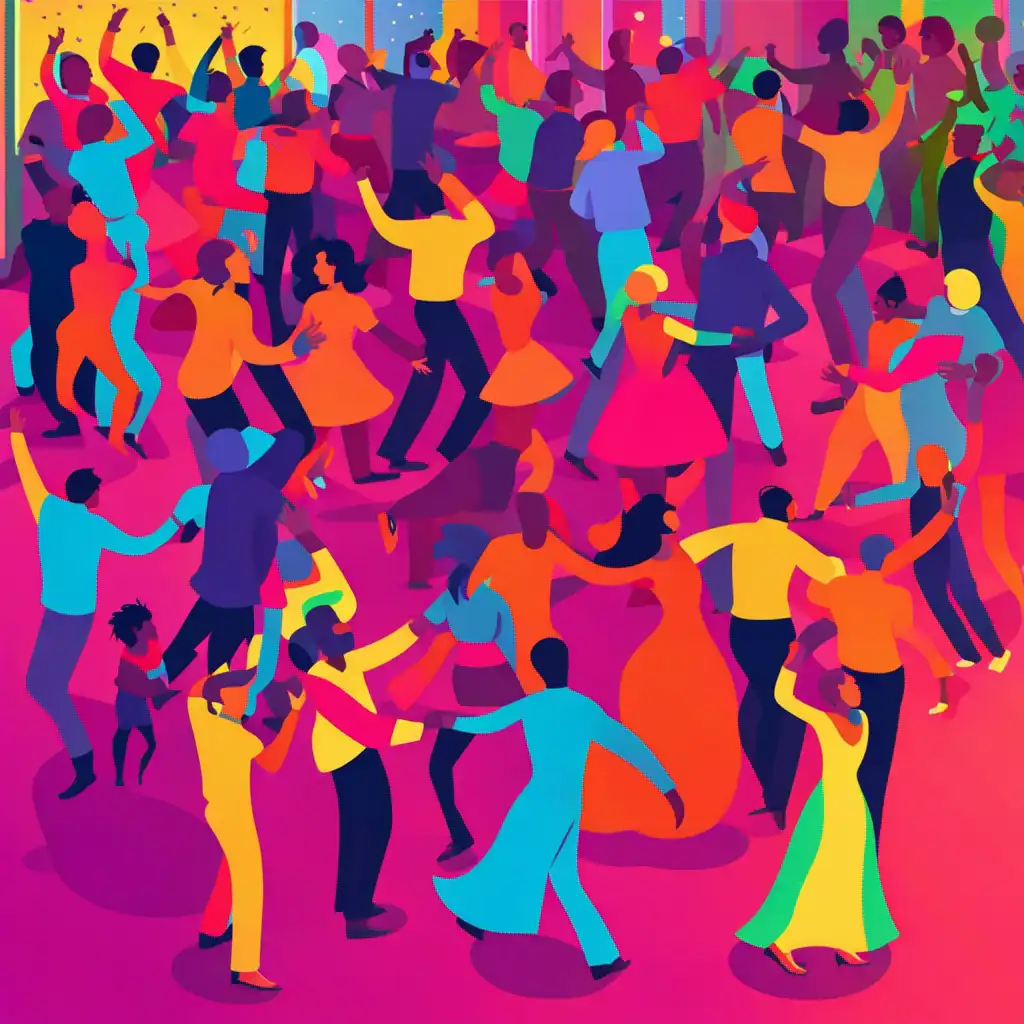
ˈstæɡneɪt
To be or become sluggish and dull
After the initial excitement, the party started to stagnate.
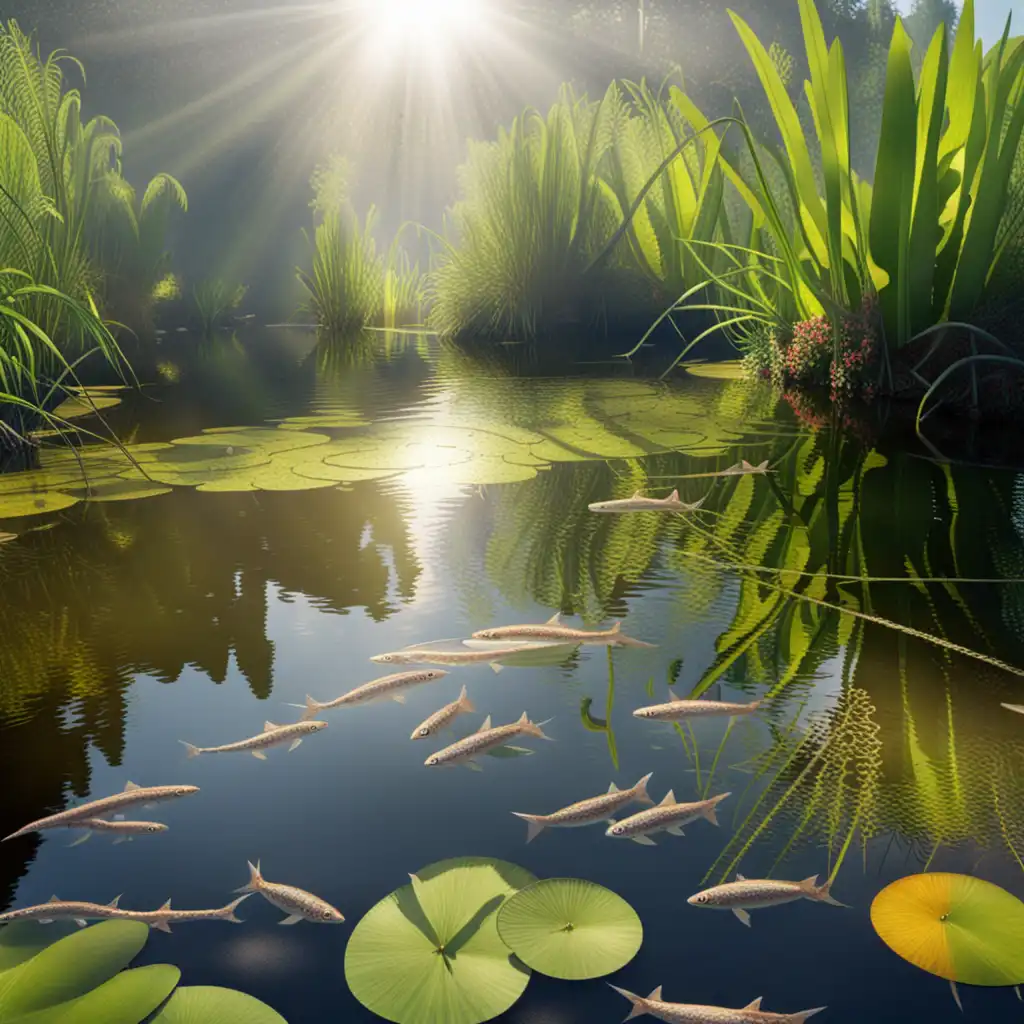
ˈstæɡneɪt
To stop flowing or circulating
The water in the pond stagnates in the summer heat, becoming a breeding ground for mosquitoes.
音声を読み込めませんでした。しばらくしてからもう一度お試しください。
The word "stagnate" means something is not moving or progressing. It could be a business, economy or personal growth. For example: "The economy has stagnated due to high unemployment rates" means the economy is not growing or improving due to the problem of high unemployment rates.
Dormant means something is temporarily inactive or asleep.
It is often used to describe things that have potential to be active but are not currently active. For example, a dormant volcano is a volcano that is not currently erupting but has the potential to erupt in the future.
Dormant can be applied to things that have the potential to be active, while stagnate is used when there is no activity or movement at all.
単語を開く: Dormant →To idle means to be inactive or not doing anything.
It is often used when referring to a person who is not working or using their time productively. For example, "He idled away his afternoon playing video games.".
Idle is about people not doing anything productive, while stagnate is about things not changing or progressing.
単語を開く: Idle →Immobile means not able to move or stationary.
It describes something that is stuck in a certain state and not moving forward, like a stagnant pond. Immobile is applicable when we talk about physical movement or motionlessness, while stagnate is applicable when we talk about lack of progress or development.
単語を開く: Immobile →Inert means something is motionless or doesn't move, whereas the word stagnate means something is still or not active.
Inert is typically used to describe objects or substances that do not react or move, such as gases or molecules.
Inert is more about lack of movement, whereas stagnate is more about lack of progress or activity.
単語を開く: Inert →Lifeless means having no signs of life or vitality. It applies to something that has no movement, energy, or activity.
Lifeless refers to something that has no life or movement in it, while stagnate refers to something that is not progressing or growing.
単語を開く: Lifeless →Motion refers to the act of moving or changing position, while stagnate refers to the act of staying still or not changing.
For example, a car in motion is driving and changing position, while a car that is stuck in traffic is stagnating and not moving.
Motion can be used in relation to physical movement, such as walking or running, or it can describe progress or change, like when a new law is put in motion.
Motion means movement, while stagnate means staying still or not changing.
単語を開く: Motion →Sluggish means that something is slow-moving or lacking energy.
Sluggish means slow, while stagnate means not moving at all. Sluggish is applicable when something is moving slowly, but still moving.
単語を開く: Sluggish →Stagnate and stationary are similar in the sense that they both refer to something not moving, but they are different in their implications.
Stationary refers to something that is not moving or changing position. It could be still, but it does not necessarily imply a lack of progress or decline.
For example, a stationary bike is a bike that stays in one place, but it is designed for exercise that could lead to progress and improvement in one's health.
Similarly, a train may be stationary at the station, but it is preparing to move and continue its journey.
Stagnate implies a lack of progress or decline, while stationary refers to a lack of movement without necessarily implying progress or decline.
単語を開く: Stationary →How we'll earn money in...
YouTube で見る ↗Hope is the cordial that keeps life from stagnating.
United by Ping Pong,...
YouTube で見る ↗The most important thing is not stagnating, to keep improving.
The key to growth? Race...
YouTube で見る ↗Everything has to keep moving forward in 'Endeavour.' Otherwise, it will stagnate.
The Latin America that...
YouTube で見る ↗Workers' disillusionment is deepened by the knowledge that, as their average wages grow slowly or stagnate, the very wealthy are growing significantly wealthier.
David Deutsch: A new way...
YouTube で見る ↗It is important for the creative juices to find an outlet, otherwise they stagnate.
Erik Brynjolfsson: The...
YouTube で見る ↗I am real, my motto is not to allow myself to stagnate in any which way, be it emotional, mental, physical and practical, I feel I have conquered the deep recesses of my life.
How to decarbonize the...
YouTube で見る ↗What we've been finding is people are afraid of happiness. They're afraid of happiness because they think we'll stagnate or we'll be blind: that if I'm happy now, I won't keep fighting as hard. If I'm happy now, I won't push as hard to make a better world. That's what pleasure does. Joy does the exact opposite.
Adam Grant: How to stop...
YouTube で見る ↗In life you cannot be captured by the past. If you're not prepared to change for the future, you will stagnate.
Hanna Rosin: New data on...
YouTube で見る ↗When working men and women have secure jobs with living wages and social protection, they can invest in the economy at levels which will increase demand and help overcome the twin challenges of ageing populations and economic stagnation.
Kitra Cahana: My father,...
YouTube で見る ↗There are many countries in the world that when they reached the middle-income stage, they witnessed serious structural problems such as growth stagnation, a widening wealth gap and increasing social unrest.