appellation
noun appellation
ˌæpəˈleɪʃn
A name or title which identifies something or someone.
Each variety of wine has its own unique appellation.
appellation
ˌæpəˈleɪʃn
加载中…
ˌæpəˈleɪʃn
A name or title which identifies something or someone.
Each variety of wine has its own unique appellation.
ˌæpəˈleɪʃn
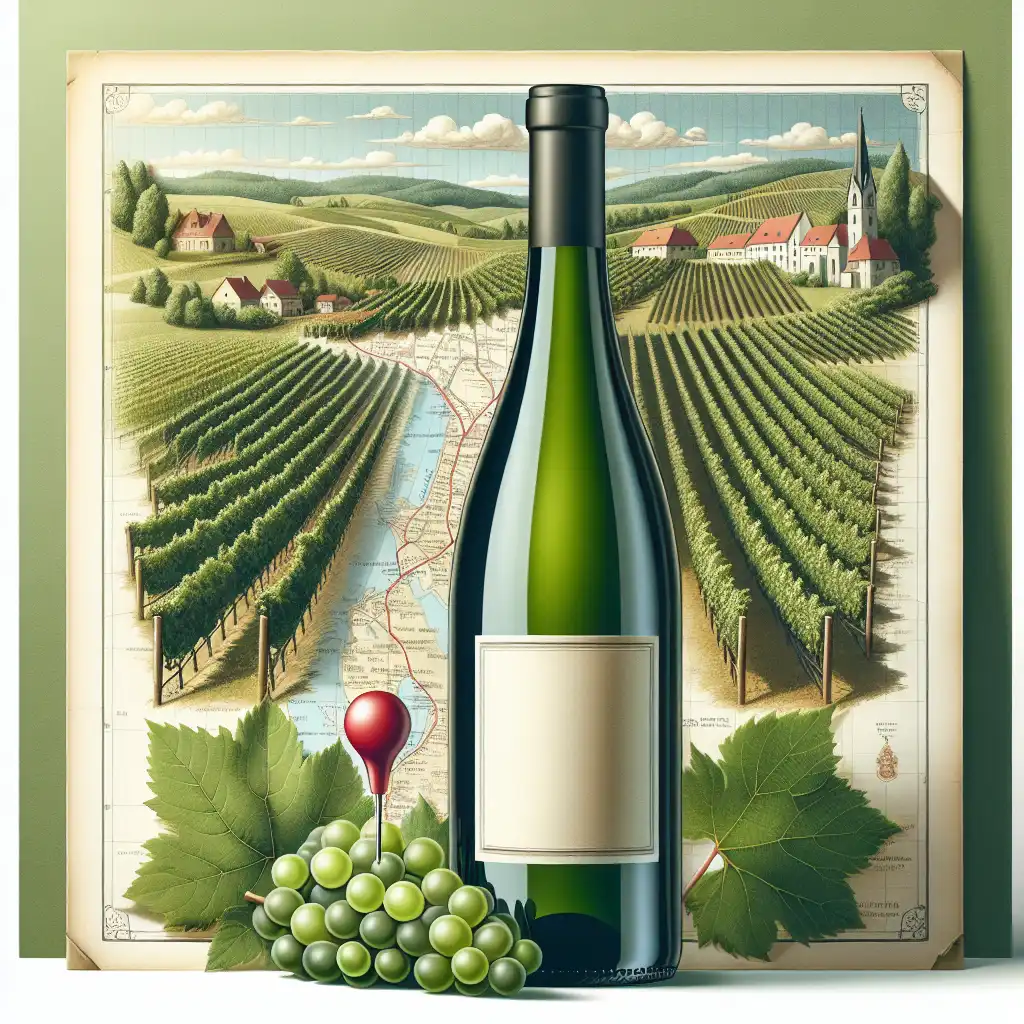
A geographic name under which a wine grower is authorized to identify and market wine.
The appellation on the bottle can tell you where the wine was made.
音频无法加载,请稍后再试。
The word 'appellation' is used to refer to a name or title given to a person, place, or thing. For example, the appellation "Mr." is used before a man's name as a formal way of addressing him. In the wine industry, an appellation is a specific region that produces a certain type of wine. So, if you hear the word 'appellation' used in conversation or reading, it usually means a name or title given to something or a specific region that produces something.
Both appellation and denomination refer to a name or title given to something, but they are typically used in different contexts.
Denomination typically refers to a religious group or organization that shares common beliefs and practices. For example, 'Methodist' is a denomination of Christianity that has its own set of beliefs, worship practices, and leadership structure.
Appellation is used to identify the origin and quality of a product, while denomination describes a religious group or organization.
打开单词: Denomination →Designate refers to the act of naming or appointing someone or something for a specific purpose or task.
It is used to give a specific designation or assignment to someone or something. For example, someone may be designated as the team leader for a project.
Appellation is used to refer to a specific name or title, while designate is used to assign or name someone or something for a particular purpose or task.
打开单词: Designate →A label is a simple tag or sticker that is put on products to identify them, like telling you what is inside a can of soup or what size a shirt is.
Label is used in any industry that needs to identify or describe a product, such as food, clothing, electronics, and more.
Appellation is used to give a product a fancy name that indicates its quality or origin, while label simply identifies what a product is or what it contains.
打开单词: Label →Both appellation and moniker refer to a name or title given to a person or thing. Appellation usually describes a formal or official name, while moniker describes a more informal or nickname.
For example, "Hollywood" is a moniker for the film industry located in Los Angeles, California, while "Tinseltown" is another moniker given to the same industry.
On the other hand, "The United States of America" is an appellation used for the country as a whole, while "the States" is a more informal moniker.
Appellation describes official names or titles, while moniker refers to more informal or nickname-like names.
打开单词: Moniker →Name refers to the word or set of words by which someone or something is known, addressed, or referred to. It is a universally applicable word that can be used to identify anything, from people to objects or even concepts.
Appellation is a more formal term that typically refers to a specific or official designation or name, particularly when it comes to geographical regions or products.
In simpler terms, a name identifies something or someone, whereas an appellation is a more specific and regulated name used for a particular geographical area or product.
打开单词: Name →Nominate means to suggest or put forward someone's name for an election, appointment or award. It is mostly used in reference to people.
For instance, a school may nominate a student for a scholarship or a political party may nominate a candidate for an election.
Appellation refers to a name or title given to someone or something, while nominate is used when suggesting someone's name for a particular purpose like an award, position, or election.
打开单词: Nominate →An appellation is a name or title given to a person, place, or thing that reflects its characteristics or identity. For example, "The Big Apple" is an appellation for the city of New York because it reflects its significance, diversity, and energy.
A title is a name or label given to a person or thing that indicates their position or status within a social, political, or professional context.
For example, "Doctor" is a title given to someone who holds a doctoral degree in a particular field, such as medicine or psychology.
In summary, while both appellation and title are ways of labeling or identifying something or someone, appellation is generally used to describe characteristics or qualities while title is used to indicate position or status.
打开单词: Title →Norman Lear and Climate...
在 YouTube 上观看 ↗Friendship is a plant of slow growth and must undergo and withstand the shocks of adversity before it is entitled to the appellation.
If no other knowledge deserves to be called useful but that which helps to enlarge our possessions or to raise our station in society, then Mythology has no claim to the appellation.
Every movement that slays its gods creates new ones, of course. I loathe talk of the sixties and seventies being a 'Greatest Generation' of artists, but if we're going to use such idiotic appellations, let this one also be applied to the artists, curators, and gallerists who emerged in the first half of the nineties.
The soldier who gropes for glory must submit himself to discipline. Subordination gives strength and security to an army. He that will not submit to it when corrected and improved by the experience of ages does not deserve the proud appellation of a soldier.
The appellation of a Scottish Bard is by far my highest pride; to continue to deserve it is my most exalted ambition.
There is no question that Australia's most dramatic assault on the world market has been with its value wines. These are generally not from specific appellations but blends made by huge enterprises like Penfolds, Rosemount or Casella Estate - the group behind Yellow Tail.
True friendship is a plant of slow growth, and must undergo and withstand the shocks of adversity, before it is entitled to the appellation.
Although the French appellation system has its roots in the 1923 system created in Chateauneuf-du-Pape by Baron Le Roy, proprietor of the renowned Chateau Fortia, Chateauneuf-du-Pape never developed a reputation for quality or achieved the prestige enjoyed by such regions as Burgundy and Bordeaux.