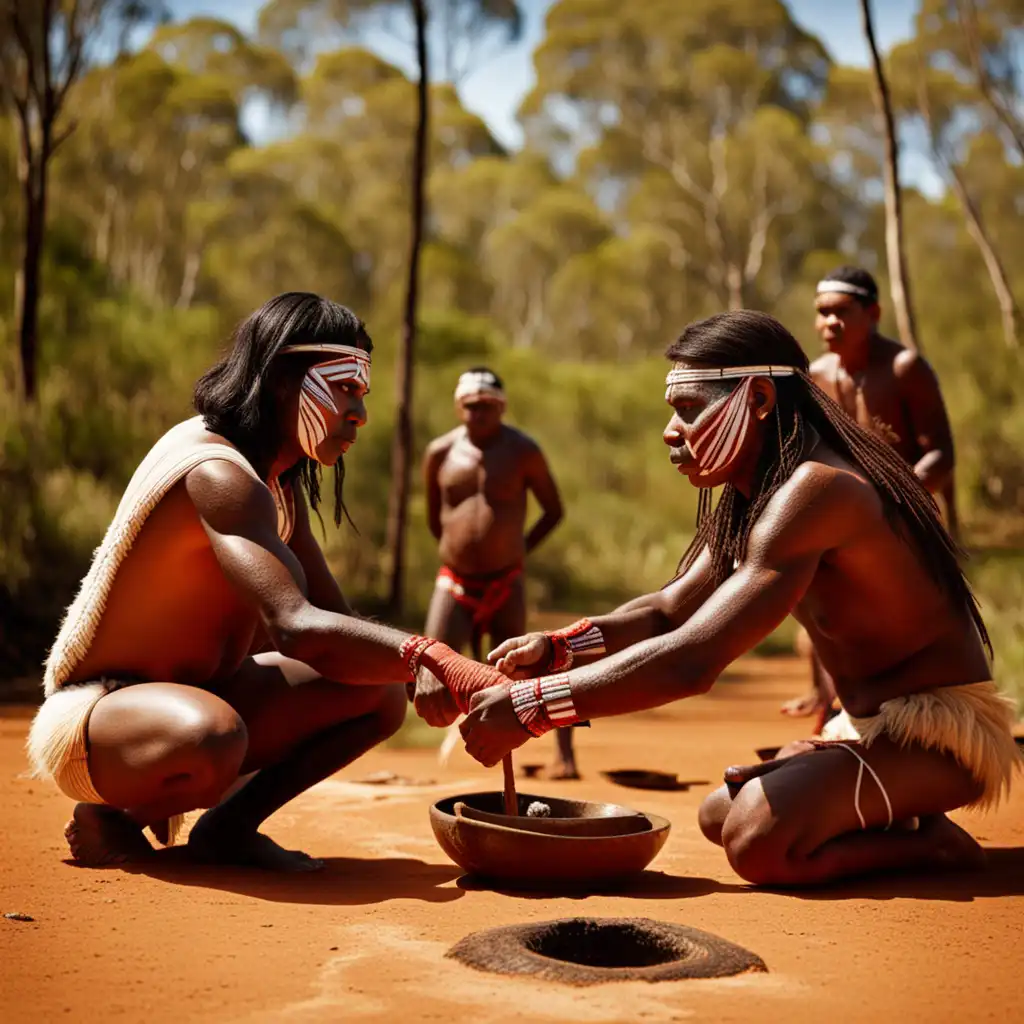
culture
noun culture
ˈkʌltʃər
The customs, behaviors, and beliefs of a particular society, group, or time period.
The aboriginal people of Australia have a rich culture that has been passed down for thousands of years.
culture
ˈkʌltʃər
読み込み中…
ˈkʌltʃər
The customs, behaviors, and beliefs of a particular society, group, or time period.
The aboriginal people of Australia have a rich culture that has been passed down for thousands of years.

ˈkʌltʃər
The growth of certain types of bacteria, fungi, or other microorganisms in a lab, often on a special material.
The lab technician extracted a culture from the patient's wound to determine the type of infection.

ˈkʌltʃər
Promoting and supporting the arts and other aspects of human intellectual achievement.
She works for the government's department of culture, promoting the arts and local artists.

ˈkʌltʃər
The attitudes, feelings, values, and behavior of a group that define its nature.
The company is trying to change its corporate culture to be more inclusive and diverse.

ˈkʌltʃər
The cultivation of plants or crops.
The culture of tomatoes in a greenhouse enables a year-round supply.
音声を読み込めませんでした。しばらくしてからもう一度お試しください。
Culture refers to the beliefs, customs, practices, and values of a particular group or society. It can include things like food, art, music, clothing, language, and traditions. When you are learning English, it's important to understand the culture of English-speaking countries, such as the USA or the UK. This includes understanding things like holidays, sports, and norms of behavior. To use the word culture, you might say "I am interested in learning about American culture" or "Understanding cultural differences is key to effective communication."
Art refers to the creative expression through different forms like painting, music, dance, sculpture, and literature, whereas culture refers to the shared beliefs, customs, practices, and behaviors of a particular group of people.
Art is a part of culture, and it reflects the values, traditions, and beliefs of a society. Culture is applicable to everyday life, as it influences people's beliefs, behaviors, and social interactions.
Art is applicable in various fields such as entertainment, education, and aesthetics.
単語を開く: Art →Belief refers to what someone thinks or accepts as true, while culture refers to the customs, practices, and beliefs of a particular group or society.
Belief is an individual concept, whereas culture is a shared concept that encompasses a community or society's way of life.
For instance, a person might have a belief in God, but a culture might celebrate a holiday or a festival as part of their traditions, beliefs, and customs.
One's belief can affect their behavior, but culture can influence an individual's belief and behavior as well.
単語を開く: Belief →Civilization refers to a more advanced and organized society that has specific features such as cities, governments, social hierarchies, and technology.
While culture is a broader term that can encompass many different groups, civilizations are more specific and refer to certain societies that have reached a certain level of advancement.
So, for example, a group of Native Americans living in a remote area might have their own unique culture, while a civilization such as ancient Rome had a more complex society and infrastructure.
単語を開く: Civilization →Custom refers to a specific way of doing things that is unique to a particular group of people. It is a traditional practice or behavior that is widely accepted and followed within a culture.
Customs can range from simple gestures like shaking hands or bowing, to more complex practices like wedding ceremonies or funeral rites.
Culture is the broader term that encompasses everything about a group of people's way of living, while custom refers to specific practices or behaviors within that culture.
単語を開く: Custom →Ethnicity refers to a person's ancestry or heritage based on their race, nationality, or regional origin. It's the classification of people based on their shared cultural identity or historical lineage.
Culture is the way of life that a group of people follow, while ethnicity is the group's shared identity based on their history or ancestry.
Culture can be applied to any group of people, whether they share the same ethnicity or not. Ethnicity is only applicable to people who share a common ancestry or heritage.
単語を開く: Ethnicity →Culture and heritage are related terms that often overlap in meaning, but there are some differences between the two. Culture refers to the shared beliefs, values, customs, behaviors, and artifacts that characterize a group or society.
Heritage refers to the aspects of a culture that are inherited from the past and that are considered important or significant to a group or society.
Heritage includes things like historic sites, artifacts, and monuments, as well as intangible cultural elements like traditional knowledge and practices.
For example, the heritage of the United States includes things like the Statue of Liberty, the Declaration of Independence, and the National Parks.
So while culture and heritage are related, culture is a broader term that encompasses all aspects of a shared way of life, while heritage refers specifically to the aspects that are seen as significant or valued.
Both culture and heritage are important to understanding and appreciating different groups and societies, and both can help to foster a sense of identity, pride, and connection to the past.
単語を開く: Heritage →Culture can be defined as the shared beliefs, values, customs, behaviors, and artifacts that characterize a group or society.
Society refers to the people who share a community, nation, or culture. It is the organized system of social relationships, institutions, and structures that exist within a community.
Culture is what people believe and do, while society includes the people who share those beliefs and practices. Culture is applicable to the traditions, language, arts, and customs of a group, while society deals with the institutions, economic systems, and political structures that exist within a community.
単語を開く: Society →Tradition refers to the specific customs and practices that are passed down from one generation to the next. These customs may relate to events in a person's life, such as weddings, funerals, and religious ceremonies, or they may pertain to annual or seasonal celebrations, such as holidays and festivals.
Culture is a broader concept that encompasses traditions as one of its components. Culture involves beliefs and customs shared by a group of people, while tradition refers specifically to practices and customs that are passed down from one generation to the next.
単語を開く: Tradition →much of this land is managed for shooting birds through a combination of cutting grazing and burning large parts of our national parks are agricultural lands supporting the people livelihoods and cultures that maintain the landscape
YouTube で見る ↗If you live only in one culture for the first 20 years of your life, you become conditioned without knowing it.
If you think of culture as an iceberg, only a small fraction of it is visible. Food flags and festivals which are often talked about in schools, are the visible parts that we rightly celebrate. However only when we look deeper under the water,
YouTube で見る ↗I grew up on certain movies, particular movies that said something to me as a kid from Missouri, movies that showed me places I'd yet traveled, or different cultures, or explained something, or said something in a better way than I could ever say. I wanted to find the movies like that.
We created an emotional reaction to these forms. So did every mayor in the world. So every mayor knew that if they had these forms, they had culture and tourism. This phenomenon at the turn of the new millennium
YouTube で見る ↗Bayern are a club where success is demanded, and second place isn't particularly appreciated. We have a history and culture to respect.
pangolin products there will be a black market you can't help but observe the fact that there's you know this really really ancient culture here sort of in conjunction with this really really modern culture i think if the change is going to come
YouTube で見る ↗I've studied my culture deeply and I'm very aware of my tradition.
century and it is as popular and challenging today as when it first appeared the cube became part of the culture an iconic design like this that is now recognized all over the world so
YouTube で見る ↗The U.S. is one of the hardest-working cultures in the world.
It's because we've been making this work for you know thousands of years. You experience our heritage. You experience our culture. You're experiencing how we look at life.
YouTube で見る ↗I was kind of influenced by the hip-hop culture.
although we don't know which genes are involved. But environment matters too. Parents who put their child on a pedestal can foster grandiose narcissism. And cold controlling parents can contribute to vulnerable narcissism. Narcissism also seems to be higher in cultures that value individuality and self-promotion.
YouTube で見る ↗Everybody blames the culture without taking responsibility.
The Hero's Journey myth exists in all human cultures and keeps getting updated, because we humans reflect on our world through symbolic stories of our own lives. You leave your comfort zone, have an experience that transforms you,
YouTube で見る ↗I'm open. I like new experiences in life and new cultures.
on the trillions of pages resting between those bookends. Authors of science fiction and fantasy literally build worlds. They make rules maps lineages, languages cultures universes, alternate universes within universes,
YouTube で見る ↗If you want to know what's important to a culture, learn their language.
This period of history was a golden age of Islamic culture, during which many achievements of previous civilizations were preserved and further developed, resulting in fundamental advancements in scientific study and mathematics. Accompanying this was an increasingly sophisticated use of abstraction
YouTube で見る ↗I grew up with all cultures in the world.