drubbing
noun drubbing
ˈdrʌbɪŋ
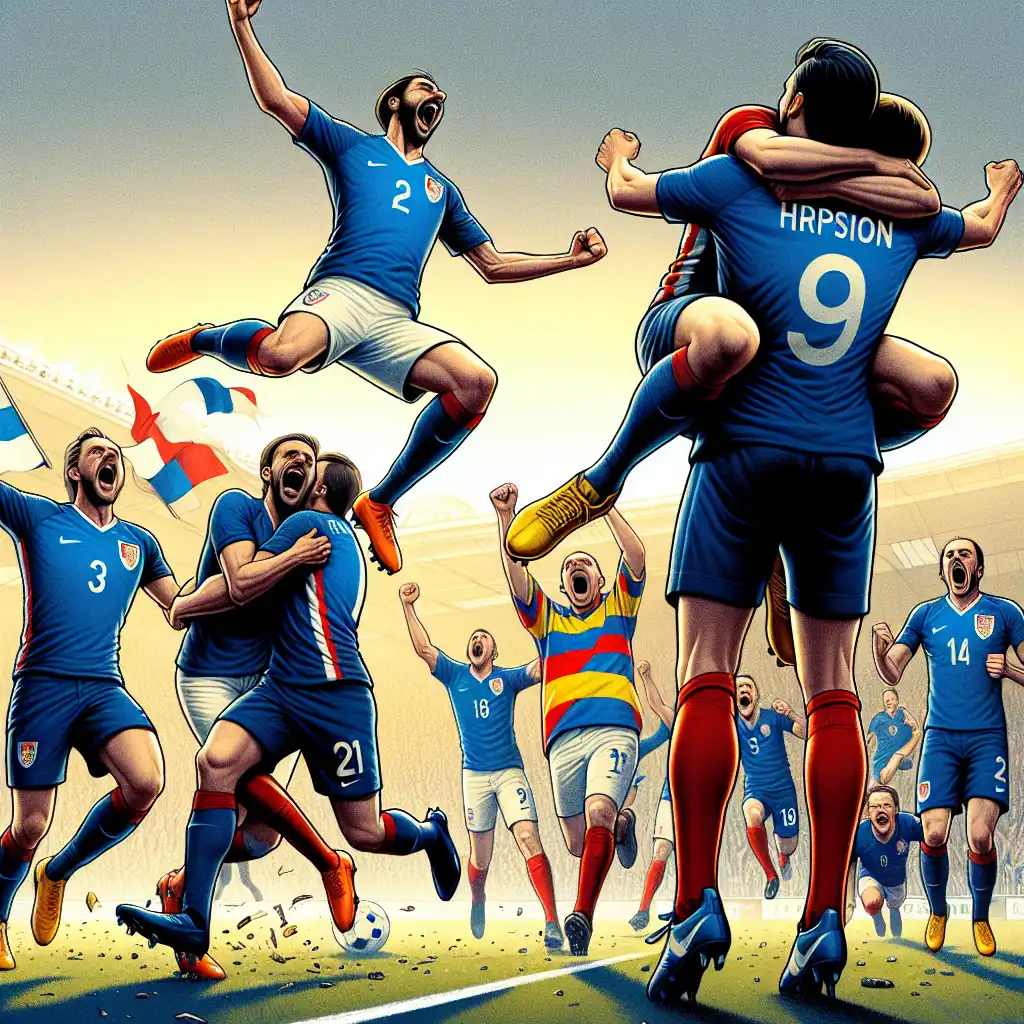
A heavy defeat in a game or competition
The underdogs came out on top, handing the champions a drubbing they won't forget.
drubbing
ˈdrʌbɪŋ
Cargando…
ˈdrʌbɪŋ
A heavy defeat in a game or competition
The underdogs came out on top, handing the champions a drubbing they won't forget.
ˈdrʌbɪŋ
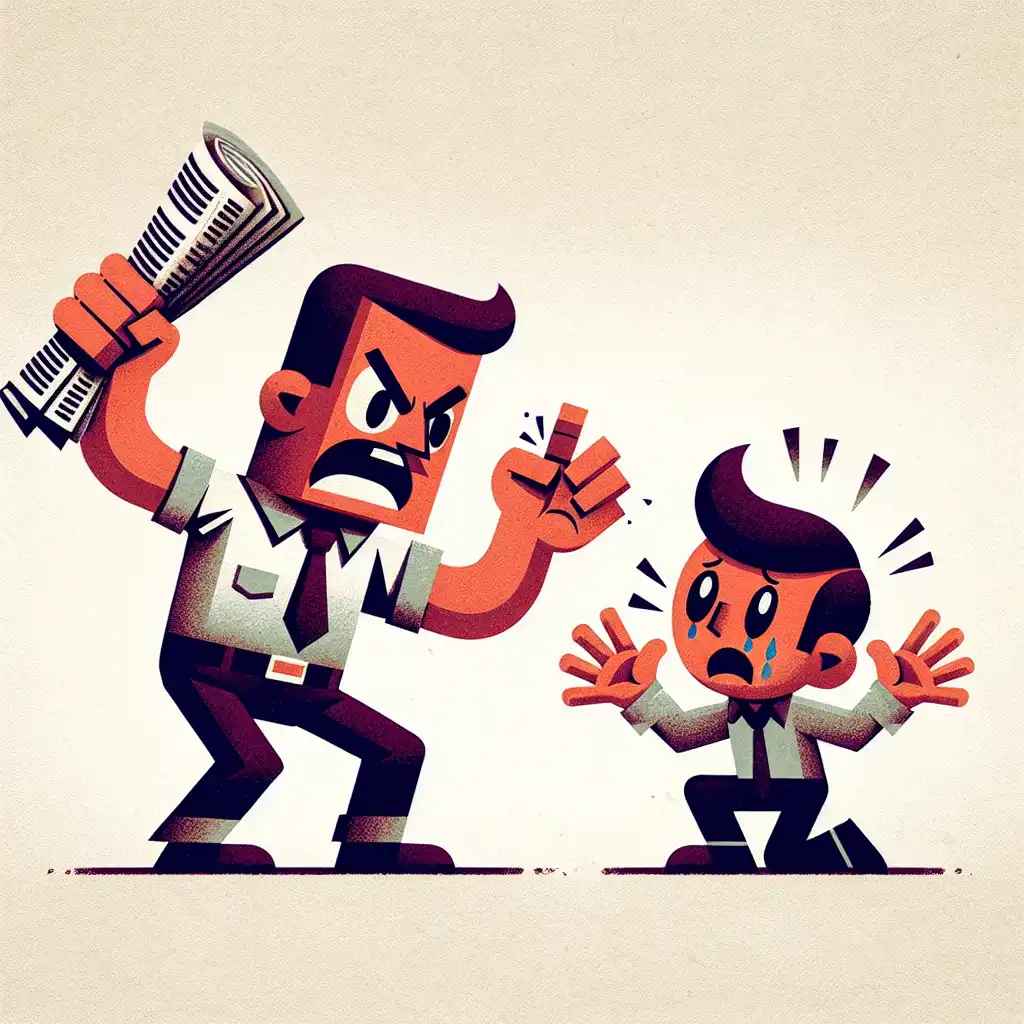
A physical beating
He threatened to give me a drubbing if I didn't stop teasing him.
No se pudo cargar el audio. Inténtalo de nuevo más tarde.
The word 'drubbing' means to beat or defeat someone very badly, usually in a game or competition. It can also be used in non-physical contexts such as a negative criticism or a severe setback. You can use it when talking about a team losing badly in a game or a politician suffering a crushing defeat in an election. It is a strong word and should only be used to describe situations where one side completely outperforms the other.
Beat means to hit or strike someone repeatedly or to defeat someone in a competition. Drubbing means a severe defeat or beating.
You can use beat to describe a physical action, such as punching or hitting someone, or a non-physical action, such as winning a game or competition.
For example, you might say "She beat me in the race", which means she crossed the finish line before you did. But if she won by a significant margin, you might say "She gave me a real drubbing", which means she defeated you thoroughly.
Beat is a more general term that can be used in a variety of situations, while drubbing specifically refers to a harsh defeat.
Abrir palabra: Beat →Conquer means to defeat or overcome something or someone completely, often in a long or difficult battle.
Conquer is a serious term used to describe a difficult victory, while drubbing is a more casual term used to describe a thorough defeat.
Abrir palabra: Conquer →Lash can refer to hitting someone with a whip or a similar implement.
Drubbing is more commonly used to describe a physical or metaphorical defeat, while lash is more commonly used to describe physical or verbal attacks.
Abrir palabra: Lash →Overwhelm means to have too much or too many things to deal with all at once.
Both words describe a situation where one party has a clear advantage over another, but they differ in their context. Drubbing is more commonly used in sports and competitions, while overwhelm describes a more general feeling of being overpowered.
Abrir palabra: Overwhelm →Whereas pound is often used in a physical sense, where a person or object has been hit repeatedly with great force.
If a boxer lands 50 punches on their opponent in a short period of time, it would be described as a "pounding".
Abrir palabra: Pound →Tan means to beat or whip someone as a form of punishment. It is applicable in situations where a person has committed a punishable offense and has been sentenced to physical discipline such as flogging or caning.
Drubbing is a defeat in a competition while tan is a punishment for an offense.
Abrir palabra: Tan →The words drubbing and thrash both mean to beat or defeat someone in a competition.
However, drubbing usually implies a more severe or humiliating defeat, while thrash can refer to any kind of beating.
For example, a soccer team might thrash their opponents 4-1, but if they win 6-0, it would be considered a drubbing.
In summary, while both words refer to beating or defeating someone, drubbing is a more extreme version of thrash, often implying a particularly lopsided or humiliating competition.
Abrir palabra: Thrash →Both drubbing and whip refer to a beating or defeat, but their usage can vary depending on the context.
- Whip is more commonly used to describe a physical beating or a metaphorical beating in the sense of punishment or discipline.
For example, a teacher might threaten to whip a student who misbehaves, or a criminal might receive a whipping as part of their sentence.
Overall, both words convey a sense of defeat or punishment, but drubbing tends to be more associated with sports or politics, while whip is more associated with physical or disciplinary violence.
Abrir palabra: Whip →After a sound drubbing followed by half a day's fasting, I felt more like laughing than like crying; and, in half a while, all was forgotten and my wickedness began afresh and worse than ever.