torpor
noun torpor
ˈtɔːrpər
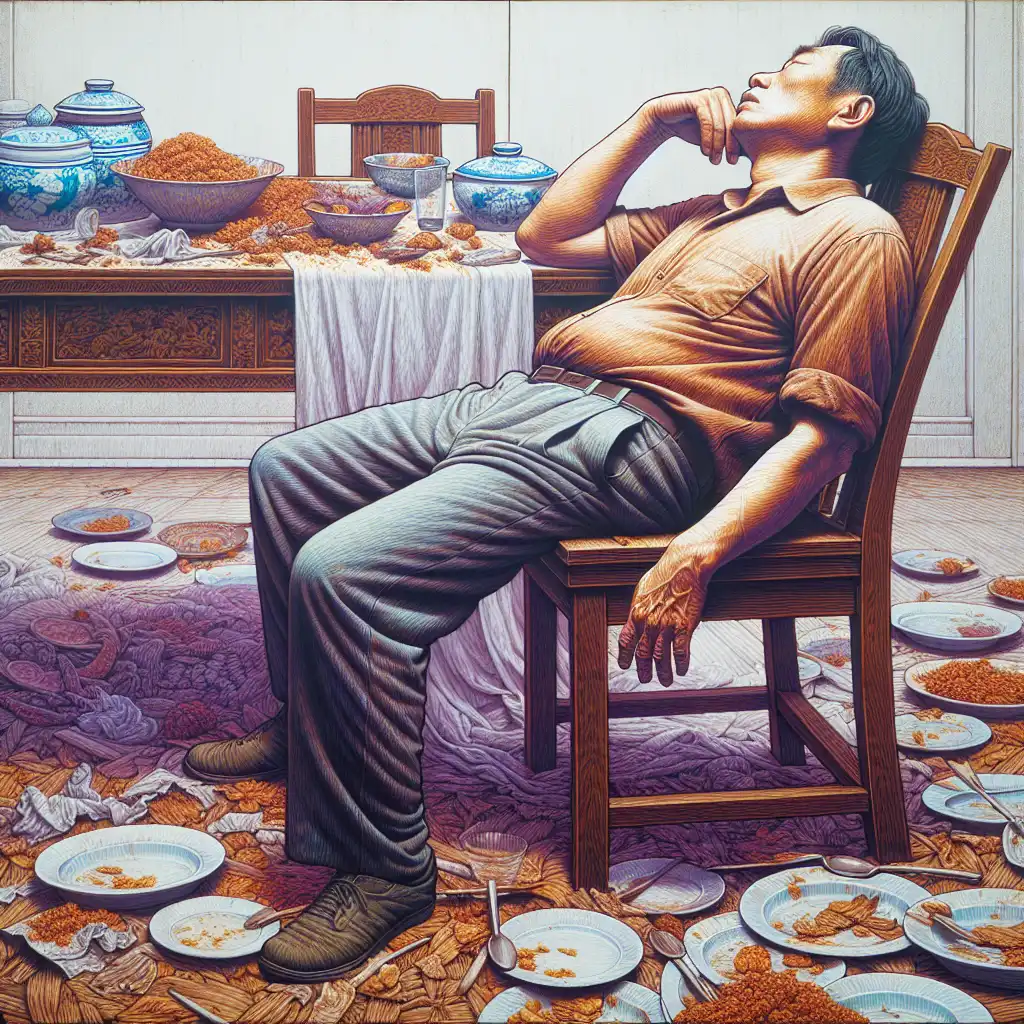
A state of mental or physical inactivity or insensitivity
He ate so much that he fell into a torpor.
torpor
ˈtɔːrpər
読み込み中…
ˈtɔːrpər
A state of mental or physical inactivity or insensitivity
He ate so much that he fell into a torpor.
ˈtɔːrpər
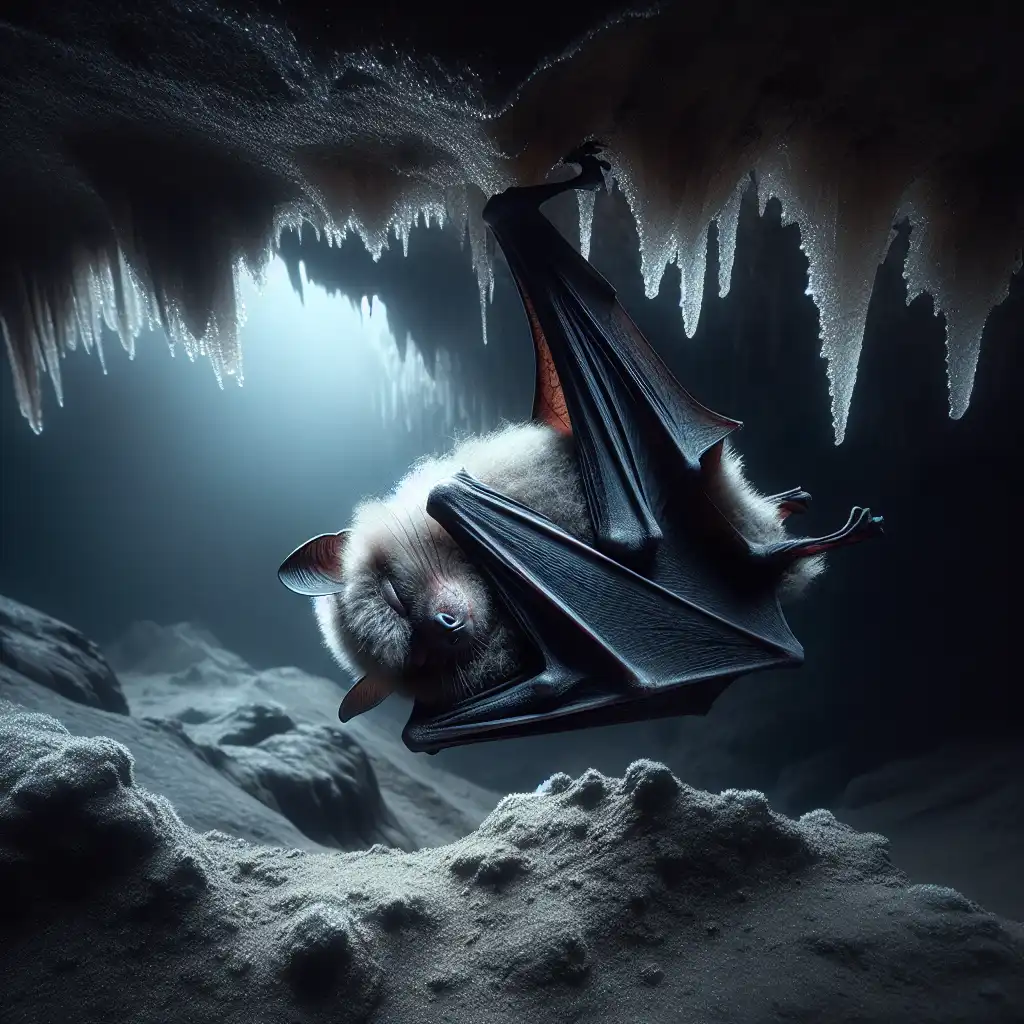
A state of decreased physiological activity in an animal, usually by reduced body temperature and metabolic rate
Bats enter torpor to conserve energy during periods of low food availability.
音声を読み込めませんでした。しばらくしてからもう一度お試しください。
Torpor is a word that means extreme mental or physical inactivity or sluggishness. It is often used to describe a state of lethargy or exhaustion, such as when a person is feeling very tired or lazy. It can also be used to describe animals that are hibernating or in a state of reduced metabolic activity. In general, the word torpor is used to describe a state of low energy, reduced activity, or diminished responsiveness.
Apathy refers to a lack of interest, enthusiasm or concern towards something. It implies a feeling of indifference or even neglect.
For example, if a student has apathy towards studies, it means he or she does not care about academics.
Apathy refers to a lack of interest while torpor refers to a feeling of physical or mental sluggishness. They are used in different contexts depending on the nature of the situation.
単語を開く: Apathy →Coma and torpor are both medical terms that refer to a state of decreased consciousness.
A coma is a state of unconsciousness in which a person is unable to respond to surrounding stimuli, such as touch, sound, or light.
Comas are usually caused by severe brain injuries, such as trauma or stroke.
During torpor, animals lower their body temperature and heart rate to conserve energy. Torpor is a natural and reversible state, unlike a coma.
Coma is a medical condition that affects people, while torpor is a physiological state that animals can enter to conserve energy.
単語を開く: Coma →Dormancy and torpor are both states of reduced activity in animals, but they differ in their intensity and duration.
Dormancy refers to a long-term suspension of activity, typically lasting for several months or even years. Many animals, such as bears or certain insects, enter a period of dormancy during the winter, during which they conserve energy and reduce their metabolic rate.
Dormancy is essentially a form of hibernation, in which an animal enters a state of reduced physiological activity to survive harsh environmental conditions.
Torpor is essentially a brief period of dormancy, during which an animal's metabolic rate drops and its body temperature decreases.
Unlike dormancy, torpor is not a long-term survival strategy but a short-term response to environmental conditions.
Dormancy is applicable to species that need to survive long periods of harsh environmental conditions, while torpor is applicable to species that need to conserve energy during short periods of scarcity.
単語を開く: Dormancy →Inactivity means not doing anything or being idle.
It can refer to physical or mental inactivity. For example, sitting on the couch for hours without doing anything would be considered inactivity.
It is a specific type of inactivity where the body slows down its metabolic processes to conserve energy.
Inactivity is a general term for not doing anything, while torpor is a specific type of inactivity that refers to a state of reduced physical or mental activity.
Inactivity can apply in any situation where no activity is taking place, while torpor typically applies to animals in a state of reduced activity to conserve energy.
単語を開く: Inactivity →Indifference refers to a lack of concern or interest, while torpor refers to a state of inactivity and sluggishness.
Indifference can be applicable in situations where someone does not show any particular interest or concern towards a particular issue or person.
For example, a person may show indifference towards a political candidate or a certain type of music.
The main difference between these two words is that indifference refers to a lack of interest or concern, while torpor refers to a state of lethargy or inactivity.
単語を開く: Indifference →Insensibility and Torpor both refer to a feeling of numbness or lack of sensation, but they have slightly different applications.
Insensibility often refers to a complete lack of physical or emotional sensation. For example, a person who has been knocked out or is in a coma can be described as being in a state of insensibility.
Insensibility refers to a total lack of sensation, while torpor refers to a state of sluggishness or sluggish responsiveness.
単語を開く: Insensibility →Lethargy refers to a lack of energy, feeling tired or sluggish. It generally refers to a physical or mental state where a person feels lazy, difficult to get themselves doing something, and lacks motivation.
Lethargy is applicable to people feeling lazy or tired, whereas torpor is typically used to describe the physical state of animals conserving energy during winter.
単語を開く: Lethargy →Stupor typically refers to a condition of being stunned, dazed, or confused.
It can be caused by a physical injury, illness, or drugs. A person in a stupor may be unresponsive to stimuli or have difficulty communicating.
Stupor is more commonly used to describe a temporary and abnormal state of reduced consciousness, while torpor is a more general term for a reduced state of activity or responsiveness.
単語を開く: Stupor →Who are you really? The...
YouTube で見る ↗A multitude of causes unknown to former times are now acting with a combined force to blunt the discriminating powers of the mind, and unfitting it for all voluntary exertion to reduce it to a state of almost savage torpor.
Safari Live - Day 182 %\PIPE%...
YouTube で見る ↗The first moments of sleep are an image of death; a hazy torpor grips our thoughts and it becomes impossible for us to determine the exact instant when the 'I,' under another form, continues the task of existence.
The surprising secrets...
YouTube で見る ↗Many nights, I would begin the evening fueled by caffeine and nicotine, which I needed to propel me out of torpor and hopelessness - only to overshoot into quaking, quivering anxiety.
The extraordinary lives...
YouTube で見る ↗The general public, formerly profoundly indifferent to everything to do with building, has been shaken out of its torpor; personal interest in architecture as something that concerns every one of us in our daily lives has been very widely aroused; and the broad line of its future development are already clearly discernible.
I most definitely would not buy the 'Daily Mail,' which pours a kind of livid torpor into the eyelids of the average Brit - I skimmed through a copy recently and couldn't believe the rubbish in it.