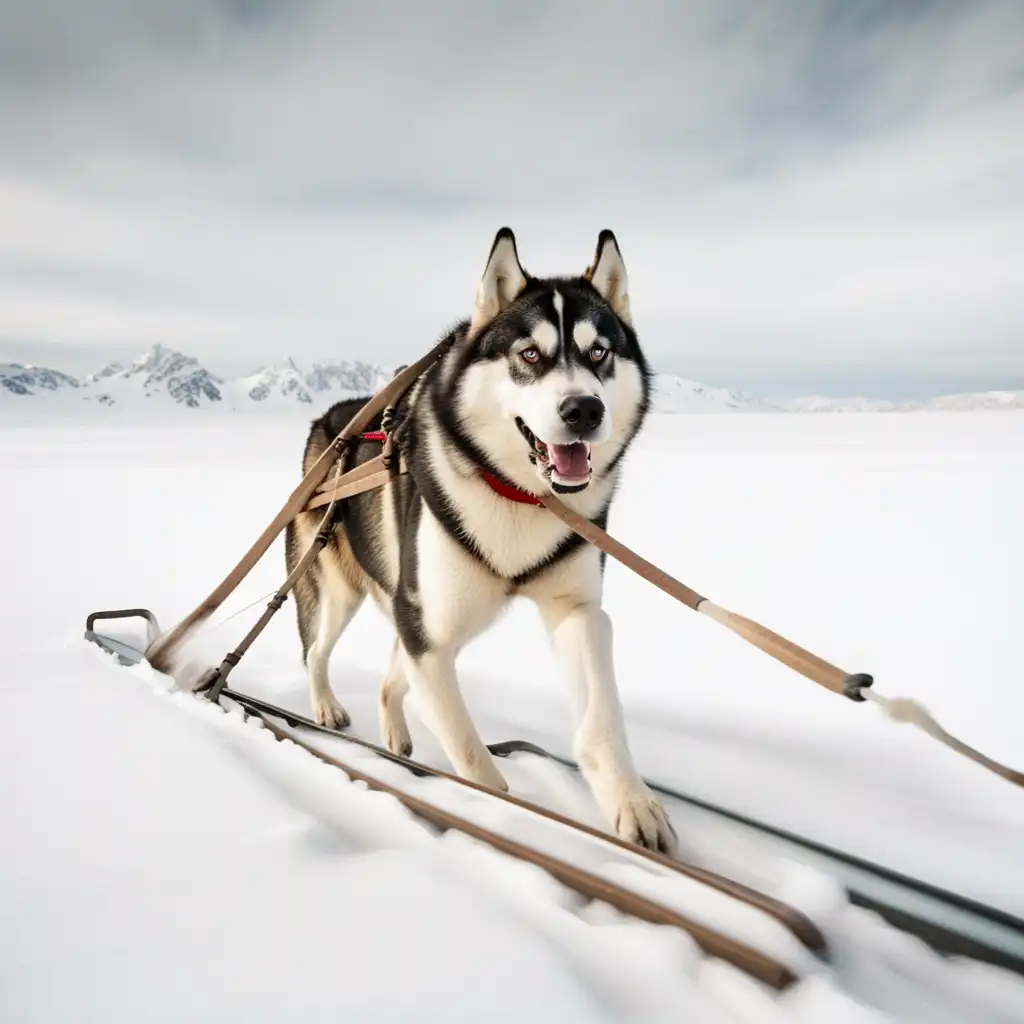
husky
noun husky
ˈhʌski
A type of dog that is large and strong, often used for pulling sleds in snowy areas.
The husky pulled the sled across the Alaskan tundra.
husky
ˈhʌski
Loading…
ˈhʌski
A type of dog that is large and strong, often used for pulling sleds in snowy areas.
The husky pulled the sled across the Alaskan tundra.

ˈhʌski
Having a deep, semi-rough voice often considered attractive.
His husky voice made the listeners pay more attention.
ˈhʌski
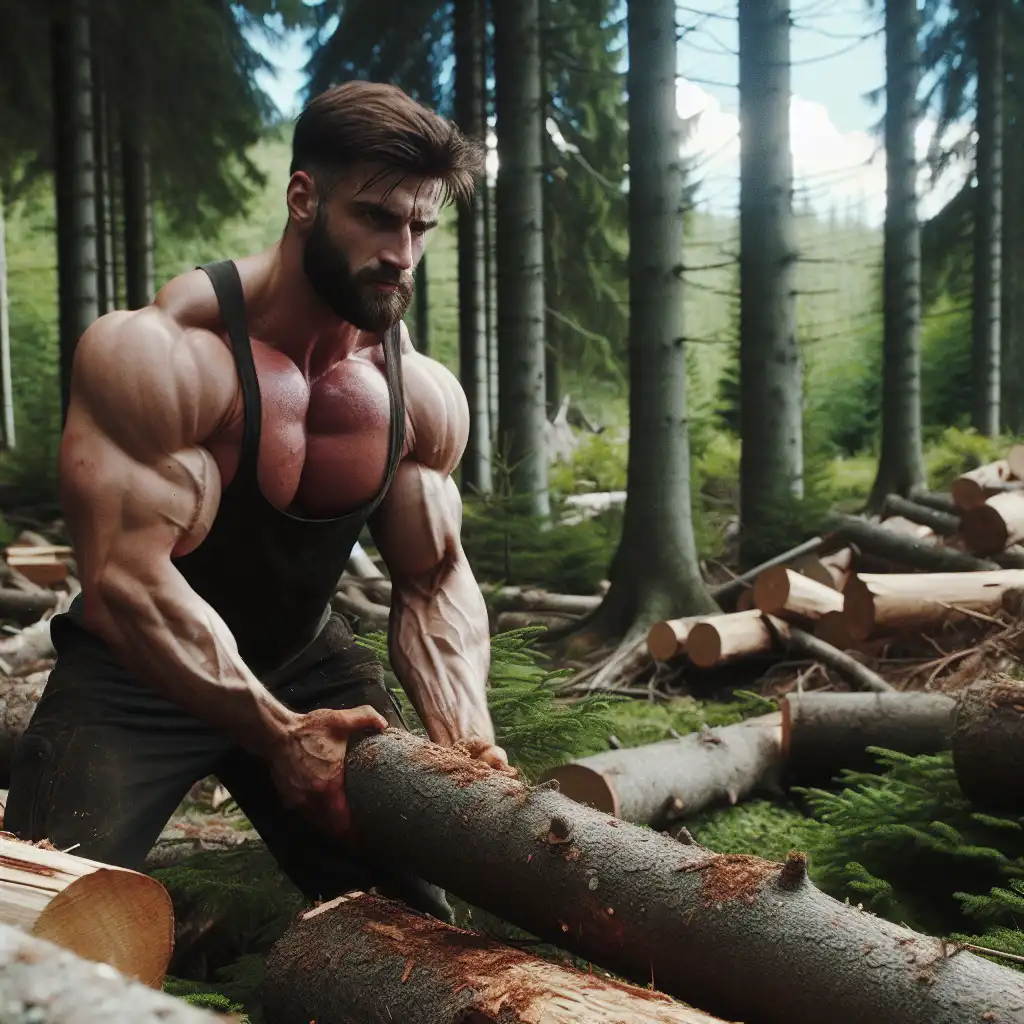
Big and strong; robust.
He was a husky man, built for manual labor.
Audio could not be loaded. Please try again later.
The word 'husky' is commonly used to describe a breed of dog that has a thick, fluffy coat and is often used for sled pulling. It can also be used to describe someone's voice that is deep and rough. Additionally, it can be used to describe someone who is big and sturdy. It is important to use this word appropriately and not as a negative descriptor for someone's weight or appearance.
Brawny means having strong and well-developed muscles, usually with a lean and toned appearance.
Brawny refers to muscular strength and definition, while husky refers to size and weight without a focus on muscle tone.
Open word: Brawny →Burly suggests a person who is strong and has a muscular build.
It can describe someone who is not particularly muscular but is still large in size. Burly is applicable when referring to someone who is physically strong and muscular, while husky is applicable when referring to someone who is big and sturdy, regardless of their level of muscularity.
Open word: Burly →Hefty refers to something that is heavy or weighty.
It usually describes an object or a person who is overweight or has a substantial amount of bulk. For example, "he lifted the hefty box" or "she wore a hefty coat in the winter".
Overall, while both words have similar connotations of size and strength, hefty pertains more to weight and mass, while husky pertains more to muscular build and physique.
Open word: Hefty →Muscular describes someone who has well-defined muscles and is physically fit. It suggests that the person has put in a lot of effort to build their muscles through exercise and lifting weights.
So, while husky connotes a heavier or bulkier build, muscular emphasizes a more toned physique achieved through physical training.
Open word: Muscular →Husky usually refers to someone or something that has a strong and deep voice, while robust refers to someone or something that is strong, healthy, and vigorous.
Husky is more commonly used to describe a person's voice, while robust describes their physical health or strength. For example, a singer with a husky voice might be good at singing blues music, while a person with a robust physique might excel in sports like football or weightlifting.
Open word: Robust →Stocky describes a person or animal that has a sturdy, robust build with a high amount of muscle mass. It typically implies that the individual is shorter or of a lower height but has a wide, thick body.
So, generally speaking, husky suggests a larger and possibly slightly overweight build, while stocky suggests a more muscular and solid build.
Open word: Stocky →Sturdy describes something that is well-built, durable and able to withstand stress or pressure, usually used to describe objects like furniture, buildings or tools.
Husky is applicable to describe physical traits of people or animals while sturdy describes objects that can endure harsh conditions or have long-lasting durability.
Open word: Sturdy →Thickset refers to someone or something that is broad and solid-looking.
Husky is more associated with strength and power, while thickset is more associated with solidity and weight. Both words may be used to describe people or things that are large, but the choice between them depends on the impression or effect the writer or speaker wants to convey.
Open word: Thickset →A play ballet. This is in it overrides a carnivorous nature and what otherwise would have been a short fight to the death. And if you'll begin to look closely at the husky that's bearing her throat to the polar bear, and look a little more closely they're in an altered state.
Watch on YouTube ↗I never wanted to sound clean and pretty. In jazz, I felt I could sing these deep, husky lows if I want and then these really tiny laser highs if I want as well.
anything you can think of to make that husky just a little bit faster we kind of like doing short fast races finishing with the dogs and a warm truck or even in the house our dogs all sleep
Watch on YouTube ↗When I was a little kid, I was chunky. My mother would always joke she would have to get me husky jeans for larger kids. My wife reminds me sometimes, if I overdo it with chocolate chip cookies, that I will have to wear husky pants again.
I usually write songs in a guy key because my voice is so husky.
I want to do a jean line for boys and girls that are sometimes too skinny to fit into jeans, or sometimes a little bit too husky to fit into some jeans.
You know, I have got quite a husky, gritty voice which people say - even when I'm talking nicely - does sound a bit rough.
I really like Billie Holiday's husky voice, and I'd definitely like to find out more about her.
I've always been a sucker for a dog called an Alaskan Malamute. It's like a little husky... my dad had one when he was younger.
My voice was left with its husky sound after surgery on large vocal nodules.
Why the fairy tale of Willie Mays making a brilliant World Series catch, and then dashing off to play stickball in the street with his teenage pals. That's baseball. So is the husky voice of a doomed Lou Gehrig saying, 'I consider myself the luckiest man on the face of this earth.