berm
noun berm
bɜːrm
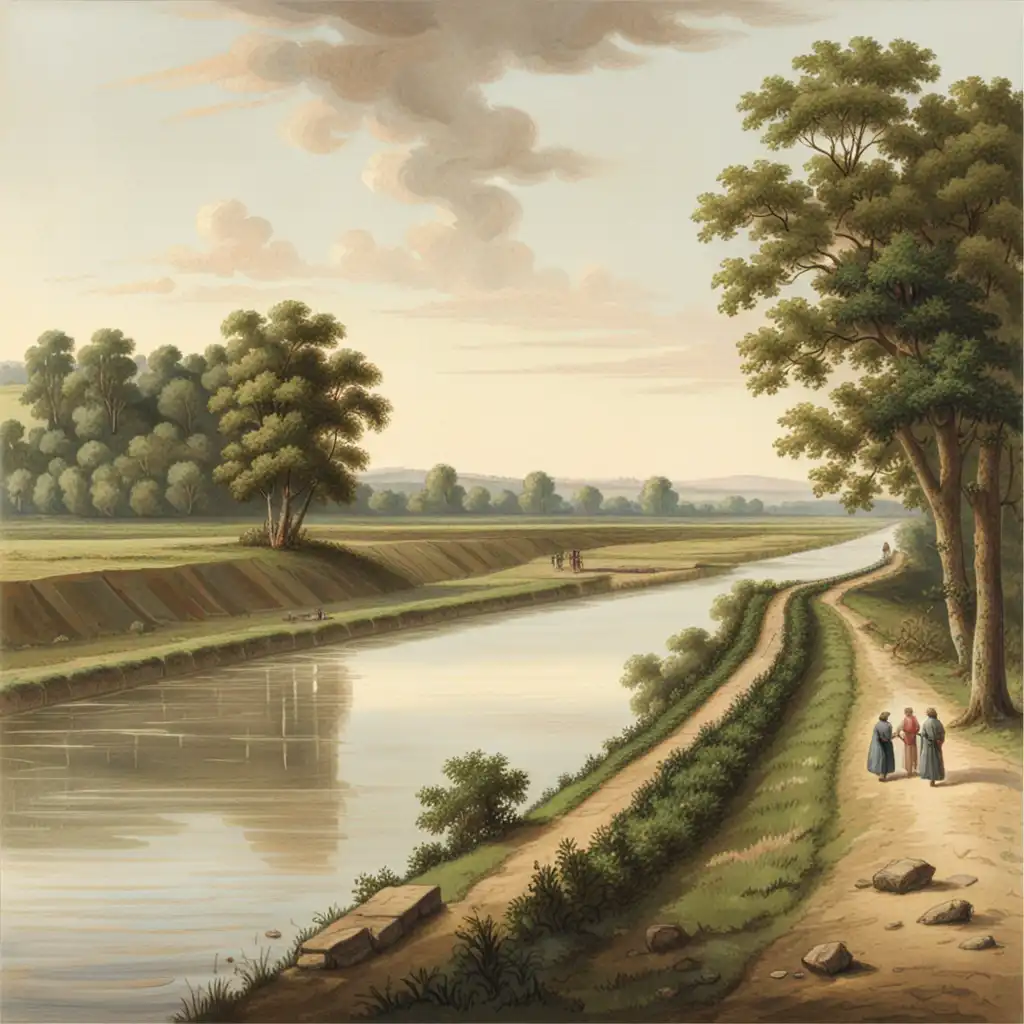
A flat strip of land, raised bank, or terrace bordering a river or canal.
The berm along the river helps prevent flooding.
berm
bɜːrm
加载中…
bɜːrm
A flat strip of land, raised bank, or terrace bordering a river or canal.
The berm along the river helps prevent flooding.

bɜːrm
A path or grass strip beside a road or railway.
We pulled the car onto the berm to check the tires.
bɜːrm
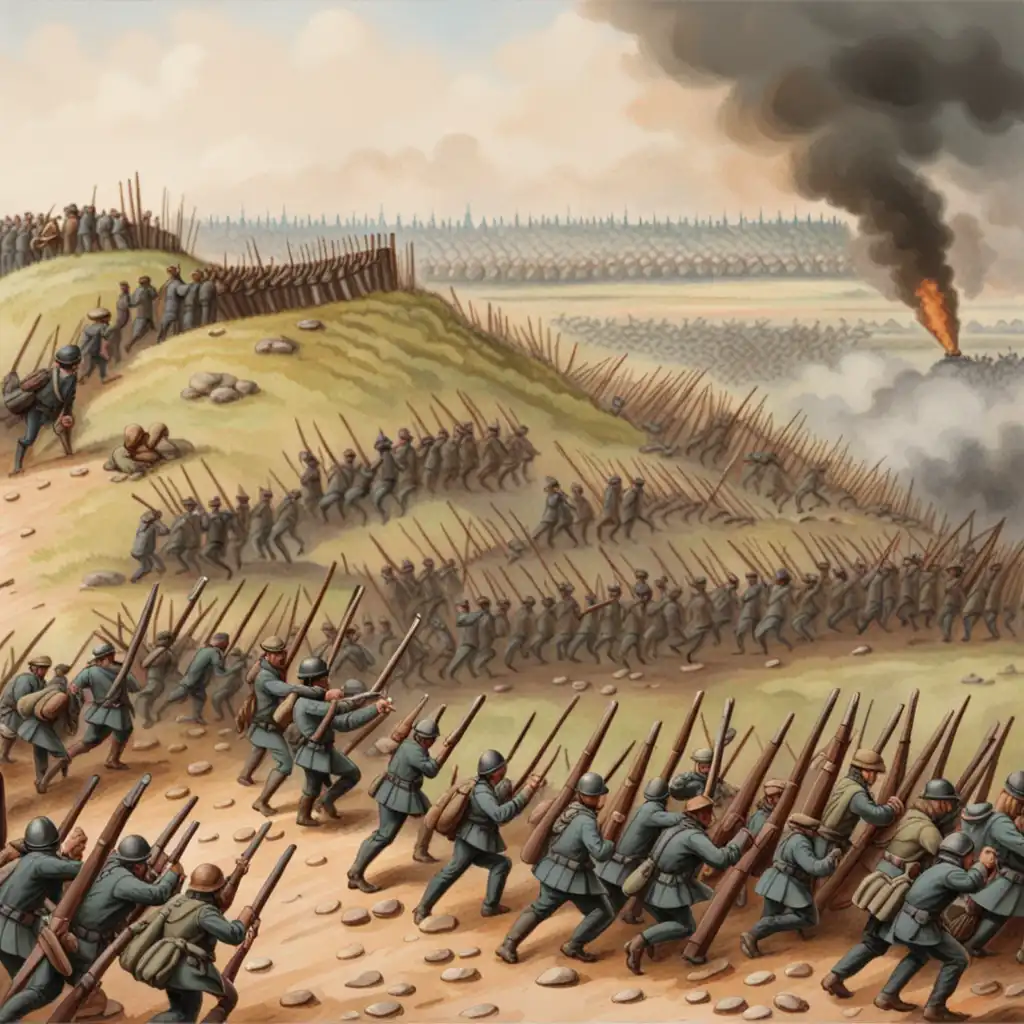
A man-made ridge or embankment protecting a fort, rampart, or trench.
Soldiers hid behind the berm during the battle.
bɜːrm
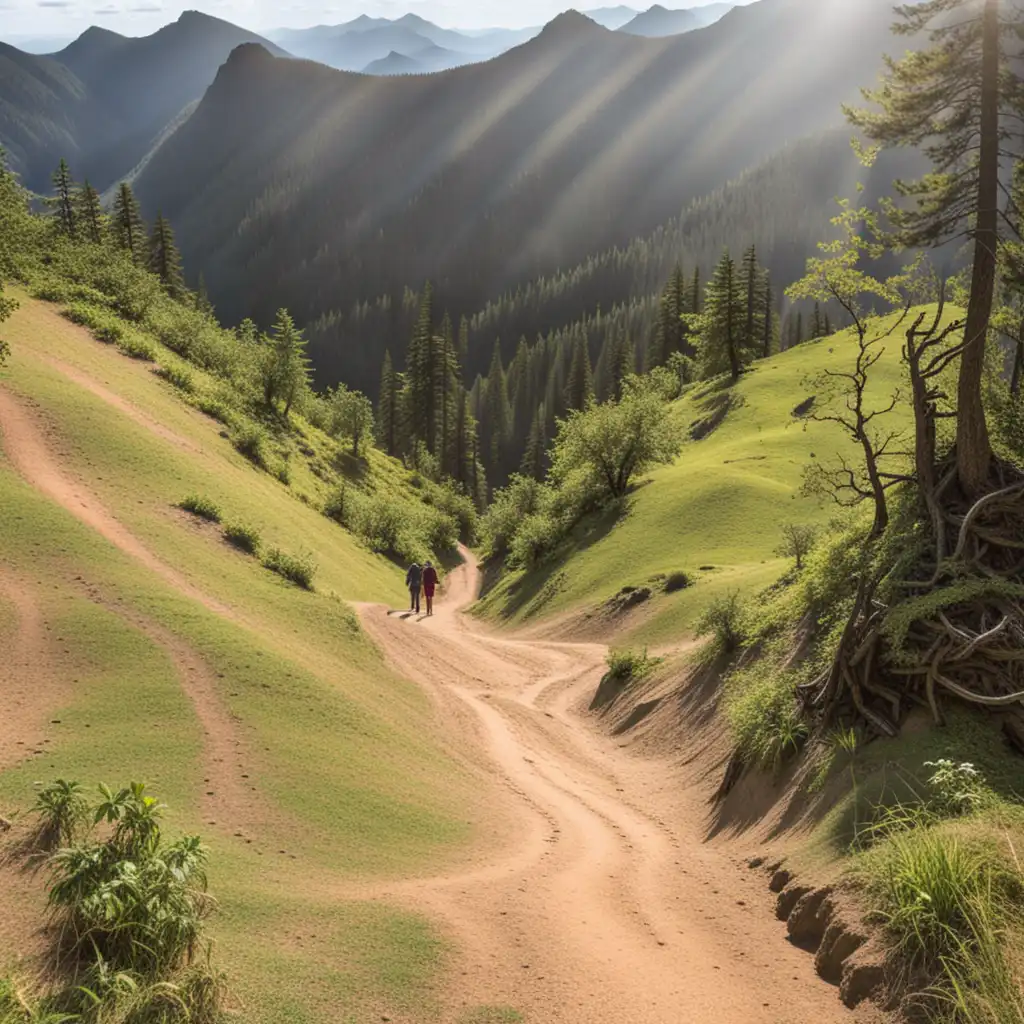
A flat space between the top of a bank or bench and the face of a steep slope.
In hiking, we rested on the berm before continuing up the steep trail.
音频无法加载,请稍后再试。
A berm is a small hill or raised strip of land that is often used to separate two areas. For example, it might be used to separate a road from a nearby river or to prevent water from flooding an area. A berm can also be used in landscaping to add texture and interest to a garden or park. In construction, a berm can be used to provide additional support for a structure or to redirect water runoff away from the building.The word berm is often used in environmental and construction contexts and may not be a common word in everyday conversation.
A bank is a financial institution that offers various financial services such as checking and savings accounts, loans, and investments.
A bank is a financial institution while a berm is a raised strip of land used as a barrier or for directing water or noise.
打开单词: Bank →A barrier and a berm are both physical obstacles, but they differ in their design and purpose.
A barrier is a solid wall or fence that is used to prevent access or block something off, like a traffic barrier or a barricade.
To summarize, a barrier is a solid obstruction used to block off access, while a berm is a raised strip of earth used to control or redirect water or provide a low wall for protection.
打开单词: Barrier →A causeway is a raised road or pathway that is built over a body of water, a marshy area, or any other soft or unstable ground.
A berm is a small raised strip of land that is used as a boundary or barrier, while a causeway is a much larger and more substantial raised road that is used to cross over difficult terrain or water.
打开单词: Causeway →A dyke is a wall or embankment that is built to prevent water from flooding an area or to manage water flow in a river or canal.
A berm is used to redirect water and control soil erosion, while a dyke is used to hold back or control the flow of water.
打开单词: Dyke →A berm is a raised area of soil or gravel that is meant to divert or contain water, while an embankment is a sloping or elevated mound of soil, often constructed for support or to hold back water.
An embankment is usually a permanent structure used to support a roadway, railway, or other transportation system.
The main difference between the two is that a berm is usually smaller and temporary, while an embankment is larger and more permanent.
打开单词: Embankment →Berms can be used for landscaping, as flood protection, or to prevent soil erosion. Berms are usually narrower and shorter than levees.
A levee is a much larger structure that is designed to protect against flooding.
Levees are usually built from materials like concrete, rocks, and dirt, and can be several feet high and wide.
In summary, berms are small raised hills used for controlling water flow or preventing erosion, while levees are large structures built for flood protection.
打开单词: Levee →A mound is a raised area of land that is usually wider and taller than a berm. It is created by piling up earth or other materials to form a conical or rounded shape.
Mounds are often used in construction for building foundations, highways, or other large structures.
A berm is a smaller, narrow raised area of land used for separating areas or for protection against water or people, while a mound is a larger, wider raised area of land often used in construction for building foundations or large structures.
打开单词: Mound →A berm is a raised strip of land that is constructed to separate areas or as a barrier to control water flow, while a ridge is a narrow hilltop or mountain range.
A ridge is a natural formation of land created by geologic forces such as tectonic movement or erosion.
A berm is a constructed raised strip of land while a ridge is a naturally occurring narrow hill or mountain range. Berms are used as barriers to control water flow or as dividers between different areas, while ridges are used to describe natural formations of land.
打开单词: Ridge →6 ways mushrooms can...
在 YouTube 上观看 ↗Enclosed by a sand berm four miles around and 160 feet high, the Baghdad Nuclear Research Facility entombs what remains of reactors bombed by Israel in 1981 and the United States in 1991. It has stored industrial and medical wastes, along with spent reactor fuel.
Safari Live - Day 42 %\PIPE%...
在 YouTube 上观看 ↗