bunkum
noun bunkum
ˈbʌŋkəm
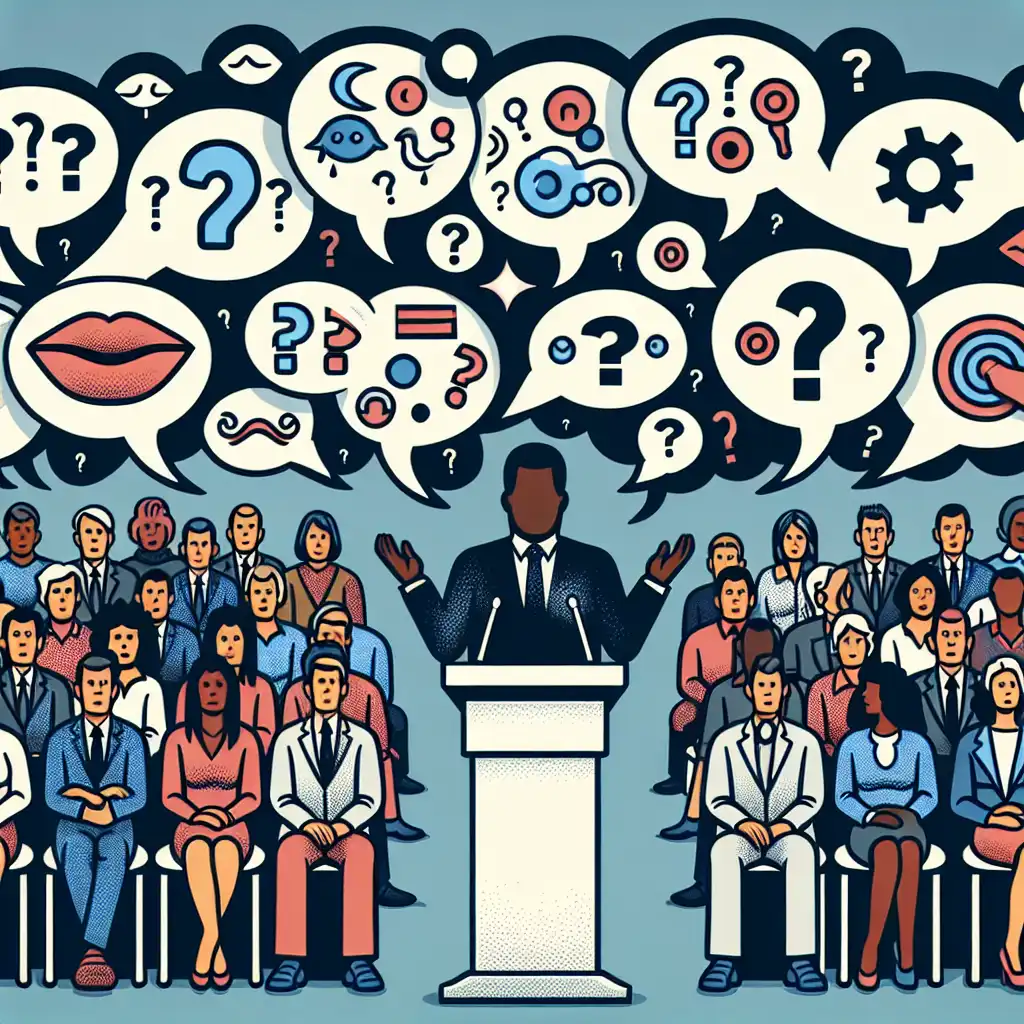
Nonsense or worthless talk.
His speech on the economic policy was pure bunkum.
bunkum
ˈbʌŋkəm
読み込み中…
ˈbʌŋkəm
Nonsense or worthless talk.
His speech on the economic policy was pure bunkum.
音声を読み込めませんでした。しばらくしてからもう一度お試しください。
'Bunkum' is used to describe something that is nonsense, untrue or ridiculous. You can use this word to express your disagreement or disbelief in a statement, idea or argument that you think is not based on facts or evidence. For example, if someone tells you that the earth is flat, you could say "That's absolute bunkum!" meaning that you don't believe their statement. Bunkum is an informal word and is often used in casual conversations.
Both balderdash and bunkum are words that mean something is nonsense or not true.
However, balderdash is used more for when someone is talking in a confusing or foolish way, while bunkum is used more for when someone is making a false claim or giving false information.
You might use balderdash if your friend is talking in circles and not making sense, and you might use bunkum if someone is trying to convince you of something that is not true.
単語を開く: Balderdash →Both words, bunkum and claptrap, mean something that is nonsense or meaningless.
However, bunkum is more commonly used in a political context to describe false or insincere statements made by politicians, whereas claptrap is more commonly used to describe any form of meaningless talk or behavior that is meant to deceive or distract people.
Bunkum describes insincere political talk, while claptrap describes any kind of meaningless talk or behavior.
単語を開く: Claptrap →Both bunkum and drivel are words used to describe nonsense or meaningless talk.
However, bunkum is often used to describe political or official speeches that are insincere or intended to deceive, while drivel is often used to describe nonsensical or foolish chatter in everyday conversation.
In simpler terms, bunkum is synonymous with "fake news" or propaganda, while drivel is more like "gibberish" or meaningless chatter.
単語を開く: Drivel →Both bunkum and hogwash are used to describe something that is nonsense or untrue.
However, bunkum is typically used to describe something that is more intentionally false or deceptive, whereas hogwash is more commonly used to describe something that is just plainly ridiculous or unbelievable.
But if someone is making a claim that just seems too ridiculous to be true, you might say that it's hogwash.
単語を開く: Hogwash →The words bunkum and malarkey mean similar things, but bunkum is typically used to describe nonsense that is intentionally misleading or manipulative, while malarkey can describe any kind of nonsense.
If your friend told you a story that was clearly made up, you might call it malarkey because it was just silly and untrue.
So basically, both words mean nonsense, but bunkum is often used to describe deceptive nonsense, while malarkey can refer to any kind of nonsensical talk or behavior.
単語を開く: Malarkey →Both bunkum and nonsense are words used to denote something that is false or lacks rationality.
However, bunkum is more commonly used to describe something that is intentionally deceptive or misleading, while nonsense is a more general term for anything that lacks sense or logic.
Bunkum is often used to call out political propaganda, while nonsense can refer to anything from a poorly reasoned argument to random babbling.
Simply put, bunkum suggests an intention to deceive, while nonsense just suggests a lack of sense.
単語を開く: Nonsense →Bunkum and rubbish are both words that refer to things that are untrue or worthless.
However, bunkum specifically refers to something that is said only for the purpose of impressing or deceiving others, while rubbish is a more general term for something that is simply nonsense or useless.
For example, if someone is giving a speech filled with impressive-sounding language and grand claims, but no real substance or evidence, you might say that it's all "bunkum." If someone is trying to sell you a broken item or a worthless trinket, you might say that it's "rubbish."
単語を開く: Rubbish →Both words, bunkum and twaddle, refer to nonsense or something that is foolish or untrue.
However, bunkum is typically used to describe political rhetoric or speeches that are empty or insincere while twaddle describes idle talk or foolish chatter.
Essentially, bunkum is applicable to situations pertaining to politics while twaddle is used in more casual situations or everyday conversations.
単語を開く: Twaddle →The debate about who decides what gets taught is fascinating, albeit excruciating for those who have to defend the schools against bunkum.