blather
verb blather
ˈblæðər
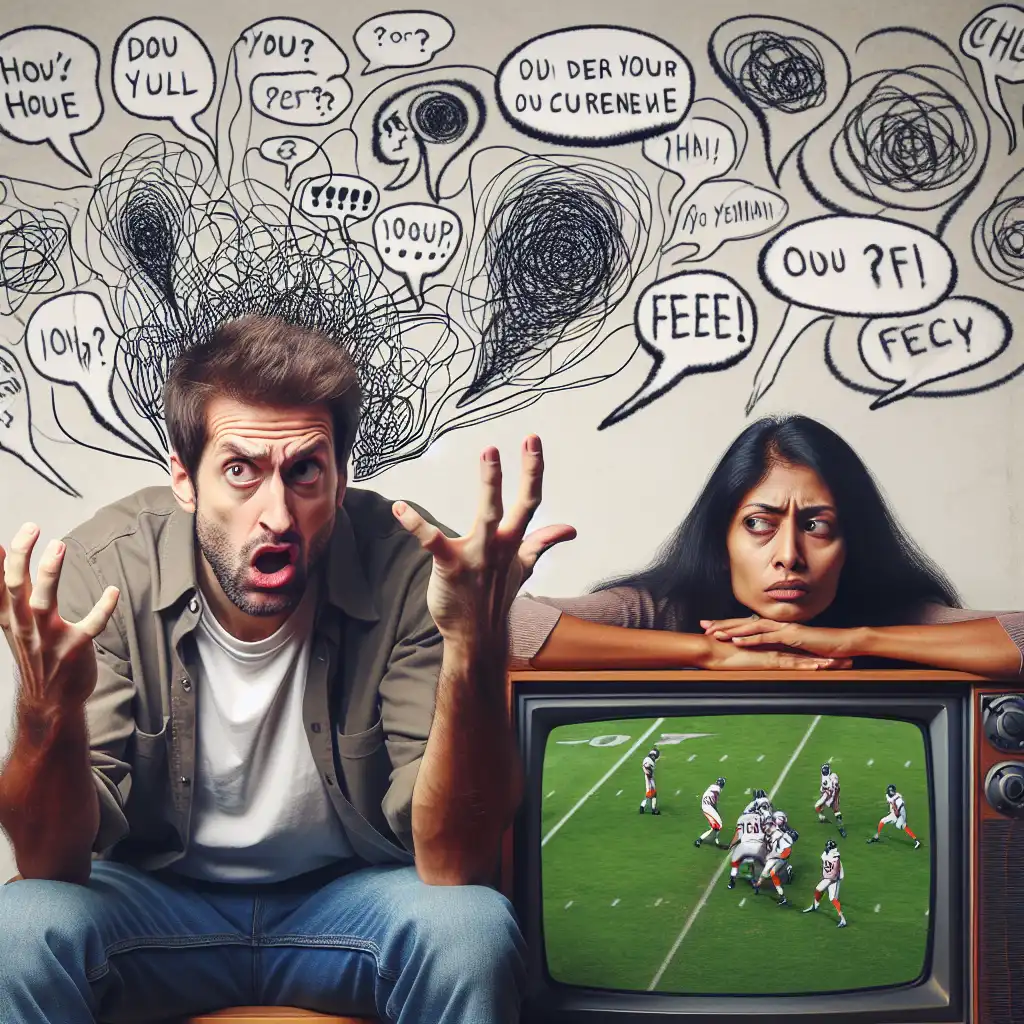
To talk a lot but without making much sense.
He just blathers on about sports all day long.
blather
ˈblæðər
Cargando…
ˈblæðər
To talk a lot but without making much sense.
He just blathers on about sports all day long.
ˈblæðər
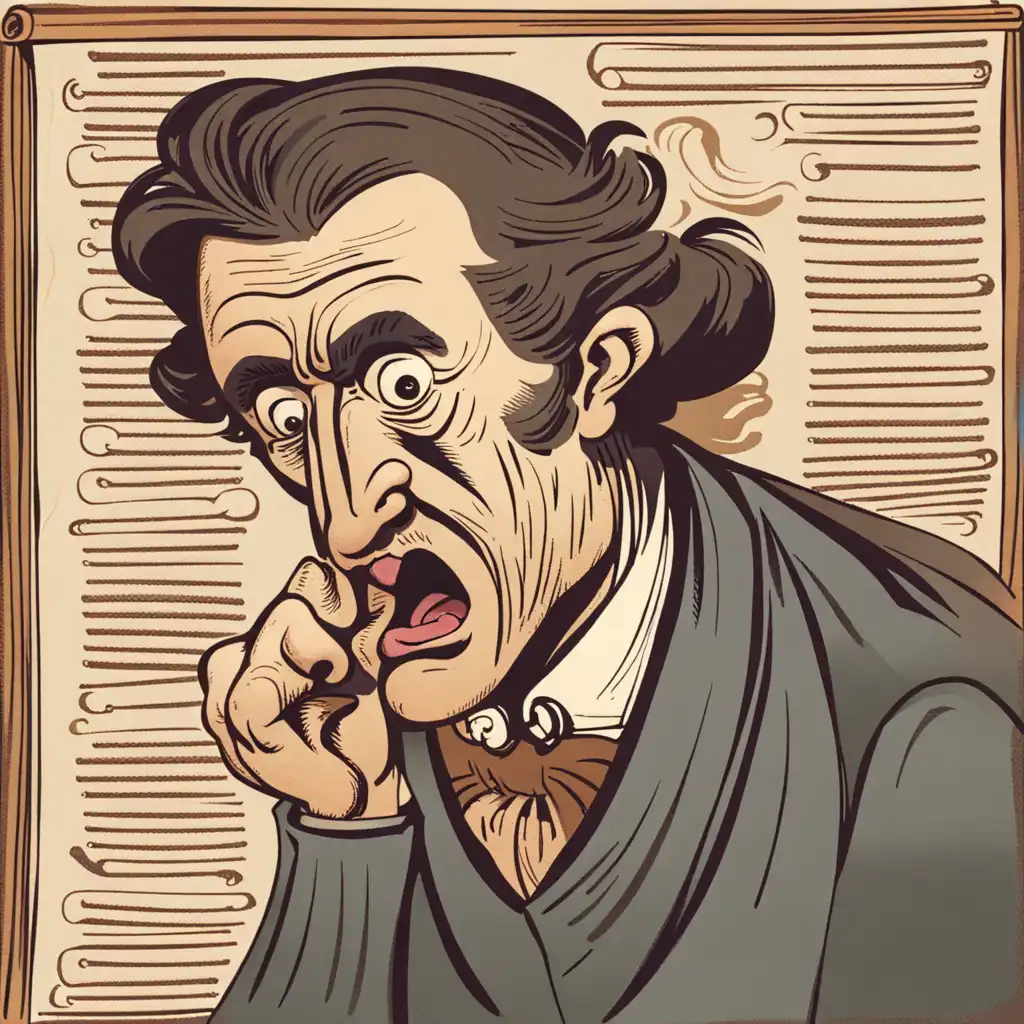
Long and pointless talk that is hard to understand or meaningless.
I couldn't understand his blather about politics.
No se pudo cargar el audio. Inténtalo de nuevo más tarde.
'Blather' means to talk in a foolish or pointless way. It is often used when someone talks too much and doesn't make any sense. For example, "He just kept blathering on about his vacation and I couldn't understand him." It is a slightly informal word and is used in casual conversations rather than formal settings.
Both words, babble and blather mean talking in a way that is difficult to follow, but babble tends to refer to speaking quickly and incoherently, while blather usually means talking excessively without actually saying anything important.
For example, if someone is babbling, they might be speaking so quickly that it's difficult to understand their words or they might be jumping from one topic to another without any clear connection.
Both words can be used interchangeably in some situations, but in general, babble implies a lack of coherence, while blather implies a lack of substance.
Abrir palabra: Babble →The words blather and chatter both refer to talking, but they have slightly different meanings.
Chatter usually refers to more casual or light-hearted conversation.
For example, if a group of friends were sitting around chatting about their day, you might say they were "chattering away."
Blather means meaningless talk and chatter means friendly and casual conversation.
Abrir palabra: Chatter →Both blather and drivel refer to meaningless or nonsensical talk, but blather is used more often to describe excessive or rambling speech, while drivel refers more specifically to talk that is stupid or foolish.
You might say someone is 'blathering' on about a topic they know very little about, whereas you would use drivel to describe someone's ridiculous or nonsensical argument.
Abrir palabra: Drivel →Blather and gab are both verbs that refer to talking excessively or without sense, but there are some differences in their usage.
Gab suggests a more casual or friendly conversation that may go on for a long time.
For example, "We gossiped and gabbed at the coffee shop for hours."
Blather has a negative connotation, while gab can be seen as more positive or neutral, depending on the context.
Abrir palabra: Gab →Both blather and gibber refer to nonsensical or meaningless talk, but they have slightly different connotations.
Gibber is often used when someone is speaking incoherently or making no sense at all. For example, if someone is speaking in a language you don't understand or is speaking so quickly that their words are jumbled together, you might say they are gibbering.
Blather suggests that someone is talking excessively without making sense, while gibber suggests that their speech is completely unintelligible.
Abrir palabra: Gibber →Both blather and jabber refer to talking in a way that is fast, unintelligible, and possibly annoying.
However, blather usually refers to talking excessively or pointlessly, often about unimportant topics. Jabber usually refers to talking in a way that is unclear and makes it difficult to understand what the person is trying to say.
Blather is more about excessive talking and jabber is more about unclear talking.
Abrir palabra: Jabber →Blather refers to excessive or foolish talk, while nonsense refers to words or actions that lack meaning, sense or reason.
Blather is applicable when someone talks in a meaningless or irrelevant manner. Nonsense is applicable when someone says something that lacks coherence or is downright absurd.
Abrir palabra: Nonsense →Both blather and prattle refer to talking excessively, but blather suggests senseless or nonsensical speech while prattle suggests childish or trivial speech.
Blather might be used to describe a politician who rambles on without making any coherent points, while prattle might be used to describe a group of young children who are chattering excitedly about their favorite toys.
Blather has a more negative connotation than "prattle."
Abrir palabra: Prattle →Ramble means to talk on and on without staying on one topic.
For example, "She rambled on for hours about her vacation, jumping from one story to another without any clear structure."
Both words refer to extended speeches that lack focus, but blather indicates a sense of meaningless chatter, while ramble implies wandering or tangential conversation.
Abrir palabra: Ramble →A letter to all who have...
Ver en YouTube ↗As advertising blather becomes the nation's normal idiom, language becomes printed noise.
Caving into blather and peer pressure never bolstered anyone's argument.
It gives me a very keen satisfaction that, after listening to my blather all those years, former students are now seeing that I wrote a book, that I did have it in me.
God's inexplicable. God is beyond the everything. And yet we can't cease to blather about it.
I have no sense of what I should or shouldn't talk about. I just blather. Which is why it's fun to write 'Gossip Girl.' I do tend to just talk about anything.
Contrary to all the blather we here about the unique goodness of the American people or our religious heritage or anything else, the one thing that set this country apart from all others was the Bill of Rights.