
con
noun con
kɒn
An act of tricking someone
He fell for the old con of the 'sick relative' needing money for an operation.
con
kɒn
Loading…
kɒn
An act of tricking someone
He fell for the old con of the 'sick relative' needing money for an operation.

kɒn
To trick someone into giving you something
She conned him into giving her all his savings.
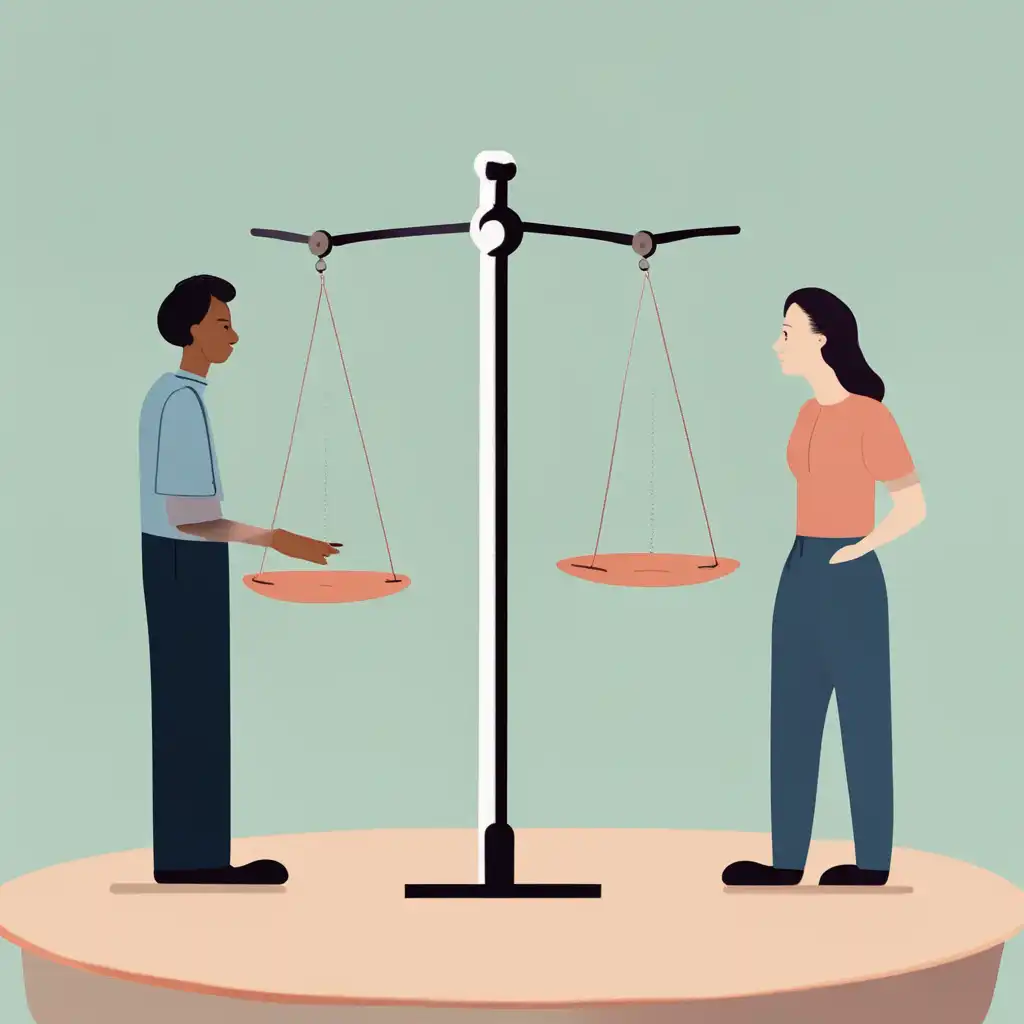
kɒn
Used to indicate the negative side of a balanced argument or consideration
We discussed the pros and cons of buying a new car.

kɒn
A convention or exhibition, usually showcasing a specific theme or interest
Many fans were excited to attend the annual comic con.

kɒn
To handle or manipulate something, especially a vehicle
He conned the ship through a narrow passage.
Audio could not be loaded. Please try again later.
The word 'con' means to deceive or trick someone. It is often used in phrases like 'a con artist' to describe someone who tricks people for their own gain. It's important to understand this word so you can avoid being conned by dishonest people or scams.
Cheat typically refers to dishonesty in a game, competition, or academic setting. For example, if someone cheats on a test, they are not following the rules and trying to get a better grade by copying or using unauthorized materials.
Cheat is used more in the context of breaking rules or taking shortcuts, while con implies a more elaborate deception or scam.
Open word: Cheat →Deceive means to mislead or trick someone into believing something that is not true. For example, a person may deceive their friend by telling them a lie.
The difference between con and deceive is that con involves persuading someone to do something while knowing that it may not be in their best interest, while deceive involves misleading someone by making them believe something that is untrue.
Open word: Deceive →Con means to trick or deceive someone for personal gain, while defraud means to illegally deceive someone or an organization in order to gain money or other benefits.
In contrast, defraud is a more serious term and usually involves bigger consequences, such as financial fraud or embezzlement.
Con is used for smaller acts of deception while defraud is used for more serious cases of deception that involve breaking the law.
Open word: Defraud →Both con and dupe refer to someone being deceived or tricked, but there is a slight difference in their usage.
Dupe (short for 'duplicity') refers to someone being tricked through their own ignorance, naivety or gullibility. For example, a person may be duped into buying a fake Rolex watch because they did not have enough knowledge about authentic Rolex watches to recognize the differences.
Con implies intentional deception through lies and manipulation, while dupe implies being tricked due to lack of knowledge or understanding.
Open word: Dupe →Both con and hoodwink refer to deceiving or tricking someone, but there is a slight difference between the two words.
Hoodwink usually involves deceiving someone by hiding the truth or playing a practical joke on them. It implies a more straightforward deception that may involve distraction or misdirection, like when a magician tricks someone by using sleight of hand.
If you're trying to convince someone to do something through manipulation, you might say you're trying to con them. But if you're tricking someone by hiding the truth or misleading them, you might say you're trying to hoodwink them.
Open word: Hoodwink →Scam refers to any situation where someone tries to deceive or cheat you out of something, usually money. This could be through a fake investment opportunity or a phishing email that asks for your personal information.
A scam can be carried out by one person or a group of people.
Both words refer to situations where someone is being deceptive, but con usually implies a more personal, face-to-face interaction, while scam can be any type of deception.
Open word: Scam →The words con and swindle both mean to cheat or deceive someone, but they are used in different situations.
Swindle is more general and refers to any situation where someone deliberately takes advantage of another person for personal gain.
A con is a specific type of deceit that relies on gaining someone's trust, while swindle is a broader term for any kind of dishonesty that results in someone being cheated out of something valuable.
Open word: Swindle →Con is short for "confidence" and it refers to deceiving or tricking someone into believing something that isn't true in order to gain their trust or take advantage of them.
Trick refers to a method of deception or deceit that is used to accomplish a specific goal.
It can be used in a non-malicious way, such as performing a magic trick, or in a more negative way, like tricking someone into giving you their money.
Con describes a more serious and intentional form of deception, while trick can refer to a broader range of actions that are meant to deceive or mislead.
Open word: Trick →to cut causing the anticipatory pleasure chemical dopamine to be released in the nucleus accumbens also the promise of a new social bond with the con man we're all in it together causes the release of oxytocin which feels rewarding to your brain and your brain is designed to build relationships with others it feels good it motivates
Watch on YouTube ↗Netflix, like life, has its pros and cons.
And that's the core of the problem. Either Facebook is a giant con of half a trillion dollars and ads don't work on the site, it doesn't work as a persuasion architecture, or its power of influence is of great concern.
Watch on YouTube ↗I'm the worst employee in the world. I'll cheat and steal time and resources from my employer, although I'll con everybody into believing I'm essential to the operation.
advantage the lower-ranking more henpecked males of the troop but it doesn't protect them altogether and it can be very dangerous for a baby baboon to get caught in the crossfire but for babies especially orphans the pros outweigh the cons the male will not only
Watch on YouTube ↗No one helped my grandparents when a con man stole our house, or when I needed help paying for a plane ticket to get to college. But my community always had my back.
I'm in high school I have no idea so I said I'll hold it for you said you know you've been so nice that you put the reward I'll give you the jewelry you give me a hundred dollars and when the guy comes all right you see it I was conned right this is a classic con
Watch on YouTube ↗It is important to recognize and politics positive thinking is often the slaves' virtue - something that people do to con themselves about the burden and change being placed upon them.
spent three years with con artists writing about people like family telling their stories and to me one of the things that governs my life is the notion that what I do matters that storytelling matters that the pen is
Watch on YouTube ↗Life hands us a lot of hard choices, and other people can help us more than we might realize. We often think we should make important decisions using just our own internal resources. What are the pros and cons? What does my gut tell me? But often we have friends and family who know us in ways we don't know ourselves.
think about is maybe we all travel too much maybe there are ways to achieve to do a lot of meetings without having to do the con you know so many of us go travel a lot it's probably bad for the environment it's not great for your your family life and so maybe there is a kind
Watch on YouTube ↗Sometimes you trust someone who turns out not to be honest. There are a lot of things that happen in life that don't turn out the way you're given the impression that they will. And I think that's all kind of a con. But I think we've probably all been hurt.
have you ever been scammed con artists and scammers aren't exactly brain scientists but they do know one important fact your brain is more
Watch on YouTube ↗I grew up understanding the pros and cons of what you're getting into and knowing what comes with your job. I like to keep my private life private, and then work is work. I feel so far I've had a really good balance with that.
She said "Why don't you send me your paintings? My dad knows a bunch of rich guys. We'll try and con them into buying it, and then..." But it turned out after I sent the works to her, that her dad's friends, like most of you are geeks. I'm joking.
Watch on YouTube ↗That's the power of the good con artist: the ability to identify your deepest need and exploit it. It's not about honesty or greed; we are all suckers for belief.
He said "You know you've been so nice let's split the reward." I'll give you the jewelry you give me a hundred dollars, and when the guy comes ... " You see it. I was conned. So this is a classic con called the pigeon drop, and I was the pigeon. So the way many cons work
Watch on YouTube ↗If you are trying to take a difficult decision and you're weighing up the pros and cons, you have frank conversations. Everybody knows this in their walk of life.
the conning tower into the blackness below time is running out for the men who are frantically collecting the priceless books and documents on the uber whilst the u-boat is gradually filling with water the two men had been said
Watch on YouTube ↗My parents are always supportive of anything their kids do. They point out the pros and cons, but they let you make your own decisions, and when it's bad they stick by you.