
cephalic
adjective cephalic
sɪˈfælɪk
Related to the head or the top part of the body
The cephalic region of the human body includes the head and the brain.
cephalic
sɪˈfælɪk
लोड हो रहा है…
sɪˈfælɪk
Related to the head or the top part of the body
The cephalic region of the human body includes the head and the brain.

sɪˈfælɪk
In medical context, it is used to describe something that is located near the head or skull
The cephalic end of the embryo develops into the head and brain.
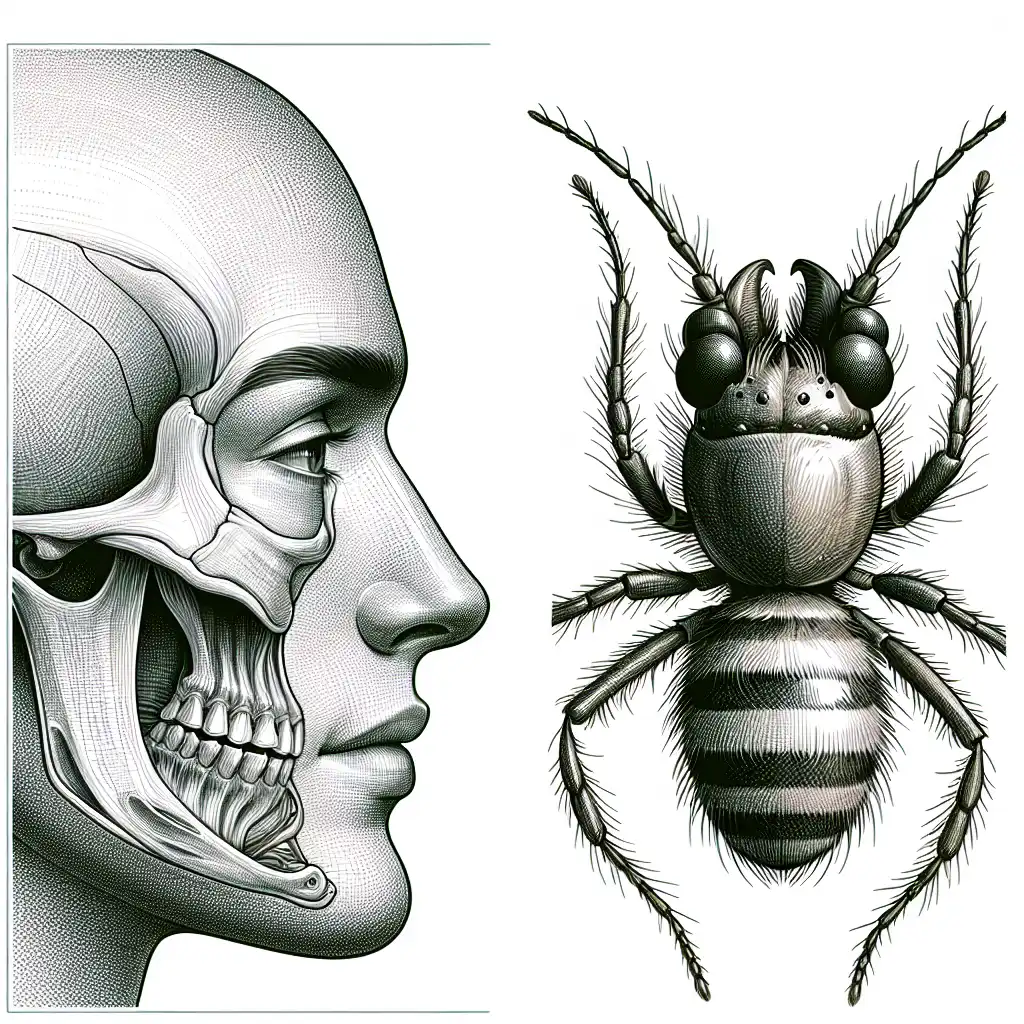
sɪˈfælɪk
In biology, cephalic is used to describe organisms with a well-defined head
The cephalic appendages of arthropods include antennae and mandibles.
ऑडियो लोड नहीं हो सका। कृपया बाद में फिर कोशिश करें।
The word 'cephalic' is used in medical and biological contexts to describe things related to the head or skull. For example, a cephalic index is a measure of the ratio of the size of someone's skull to their overall body size. In everyday conversation, however, this word is not commonly used, so unless you are studying medicine or biology, you may not encounter it often in your daily life.
Anterior refers to the front part of a body or structure, while cephalic refers to the head or head end of a body or structure.
The term anterior can describe structures like organs, limbs, or body cavities that have a distinct front and back orientation.
So, for example, if you were referring to the front of your leg, you could use anterior, but if you were talking about the top of your head, you would use cephalic.
शब्द खोलें: Anterior →Both cephalic and cranial are related to the head, but cephalic is a broader term that refers to everything related to the head, including the face and eyes, while cranial relates specifically to the skull.
When a doctor talks about conducting an MRI to examine the skull, they would use the term cranial MRI.
Cephalic refers to everything related to the head, while cranial specifically relates to the skull.
शब्द खोलें: Cranial →Cephalic means relating to the head or skull, while frontal means relating to the forehead or front part of something.
Frontal can describe anything that is related to the front part of something, such as the frontal lobe of the brain (a part of the brain located at the front of the head) or frontal view (a view of something from the front).
Cephalic applies to the head or skull, while frontal applies to the front part of something.
शब्द खोलें: Frontal →Cephalic pertains to the head or the skull.
It describes features or structures that are specific to the head, such as the position or orientation of certain body parts.
Head refers to the upper part of the body that contains the brain, eyes, nose, mouth and ears.
Cephalic is more specific to the head itself, while head can refer to both the physical object and broader concepts related to the topmost part of something.
शब्द खोलें: Head →Cephalic refers to the head, while skull refers to the bony structure that makes up the head. Cephalic is a general term that can refer to any part of the head, while skull specifically refers to the bones that protect the brain.
For example, when talking about a medical procedure, a doctor might say they need to make an incision in the cephalic region to reach the skull.
शब्द खोलें: Skull →Cephalic refers to something being related to the head, while the word superior refers to something being positioned above something else.
For example, in anatomy, the term cephalic may be used to describe a medical condition that affects the head, while the term superior may be used to describe the position of one body part relative to another, such as the superior vena cava being located above the inferior vena cava.
Cephalic is often used to describe things related to the head, while superior describes things that are located above something else.
शब्द खोलें: Superior →Feeding Frenzy: Manta...
YouTube पर देखें ↗