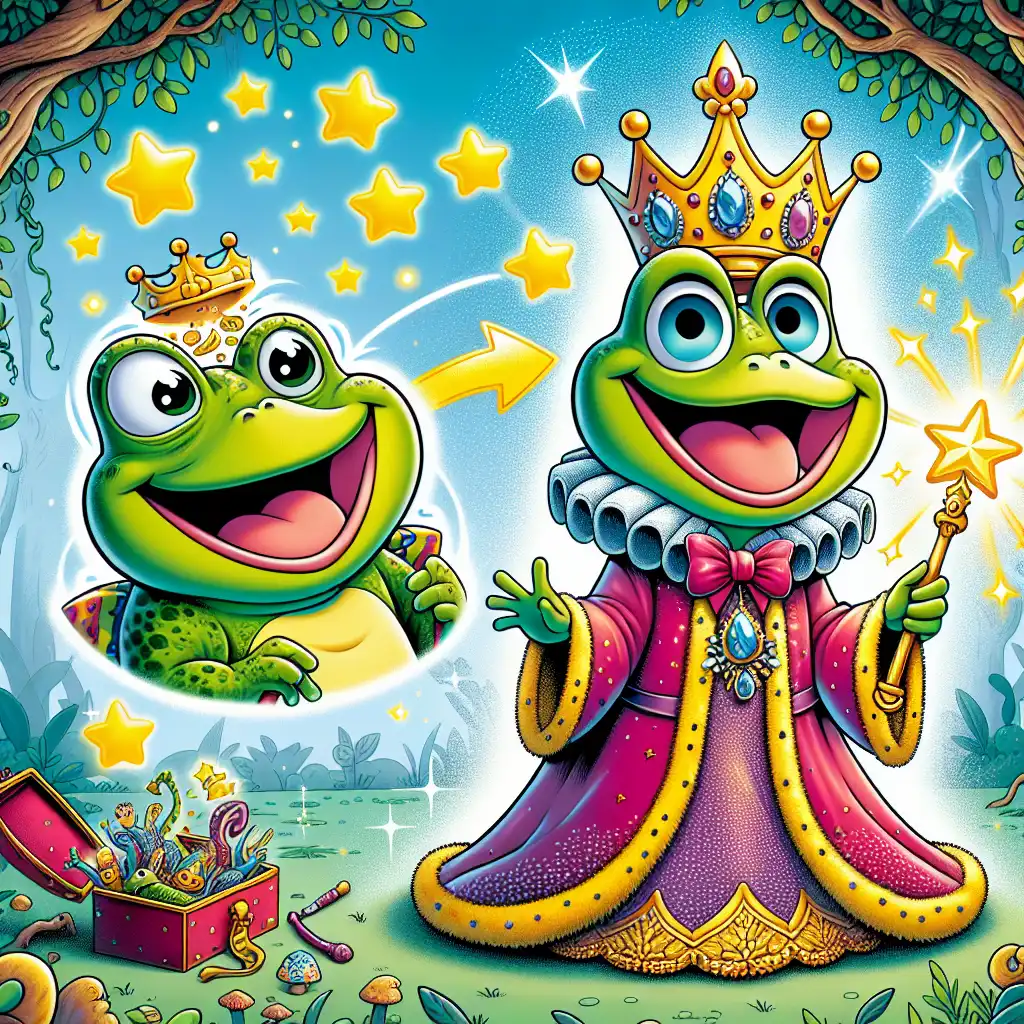
The word 'transmogrification' means to change something in a strange or mysterious way. You can use this word to describe a sudden and drastic transformation of something into something else that is completely different, often with unexpected or surprising results. For example, you might use the word 'transmogrification' to describe the transformation of a caterpillar into a butterfly, or the transformation of a plain and ordinary object into a work of art. This is a more formal word, so it's not commonly used in everyday conversation, but it's a great word to know for expressing big changes.
Alteration refers to making small changes or modifications to something, typically to improve or adjust it. This term is usually used in a broad sense and can refer to anything from making alterations to clothing or furniture to altering someone's behavior or attitude.
Alteration is used when talking about making small changes, while transmogrification is used when talking about making a drastic transformation.
Change refers to a difference in appearance or state, typically gradual and natural. Transmogrification refers to a complete and often unnatural transformation.
For example, a caterpillar undergoes a change when it transforms into a butterfly as part of its natural life cycle.
Both words can be applicable depending on the context. Use change for gradual transformations, and transmogrification for complete and often unnatural transformations.
Conversion and transmogrification both refer to a process of change, but they are used in different contexts.
Conversion usually implies a change to something that is more meaningful or valuable. For example, a person can undergo a conversion to a new religion or a business can experience a conversion of its profits from one currency to another.
Conversion refers to a change into something more valuable or significant, while transmogrification refers to a more extreme and often fantastical transformation.
Both metamorphosis and transmogrification refer to a process of transformation or change, but they are used in slightly different contexts.
Metamorphosis is typically used to describe a natural process of transformation, like a caterpillar turning into a butterfly, or a tadpole turning into a frog.
Metamorphosis is a more serious and scientific term, while transmogrification is more fantastical and whimsical.
Mutability refers to the ability of something to change or be changed, either physically or conceptually.
It can apply to things like physical objects, ideas, or emotions. For example, a person's mood can have mutability as it can change from happy to sad, angry to calm, etc.
Mutability refers to the ability to change in a more general sense, while transmogrification implies a dramatic and often fantastical transformation.
Mutate means to undergo a change or transformation. This can refer to genetic mutations, where the DNA sequence changes, or it can refer to any kind of change or transformation, such as a caterpillar mutating into a butterfly.
Mutate is a more general term for any type of change or transformation, while transmogrification is a more specific and dramatic term usually found in literary contexts.
Transform means to change in form or appearance, usually from one thing to another. For example, a caterpillar transforms into a butterfly.
Transmogrification is a more unusual and less commonly used word, meaning an extreme or grotesque transformation.
Overall, these two words are similar in that they both describe a change or transformation, but transform is a more general term while transmogrification is a more specific and dramatic form of transformation.
Transmutation refers to a change in substance or nature.
It describes a change from one element to another or the act of altering the properties of a substance. For example, turning lead into gold through alchemy is an example of transmutation.
In simpler terms, transmogrification refers to a change in appearance or form, while transmutation refers to a change in substance or nature.