chink
noun chink
tʃɪŋk
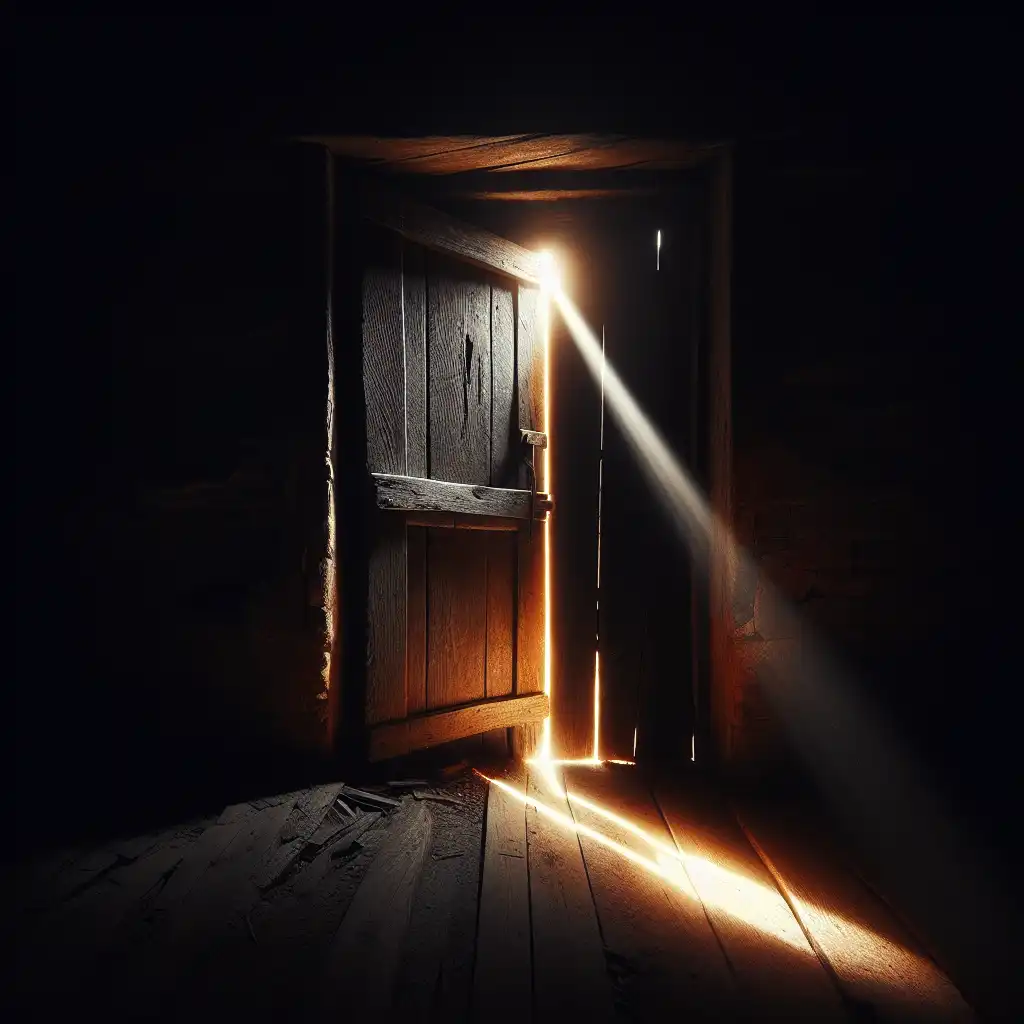
a small hole or gap in a solid surface, wall or armor
We saw light come through the chink in the door.
chink
tʃɪŋk
Cargando…
tʃɪŋk
a small hole or gap in a solid surface, wall or armor
We saw light come through the chink in the door.

tʃɪŋk
to make a high-pitched ringing sound, like metal or glass hitting each other
The wine glasses chinked as we made a toast.

tʃɪŋk
a weakness, flaw or point of vulnerability
That mistake he made was a serious chink in his reputation.

tʃɪŋk
to fill small gaps or cracks in something
He spent the day chinking the cracks in the log cabin.
tʃɪŋk
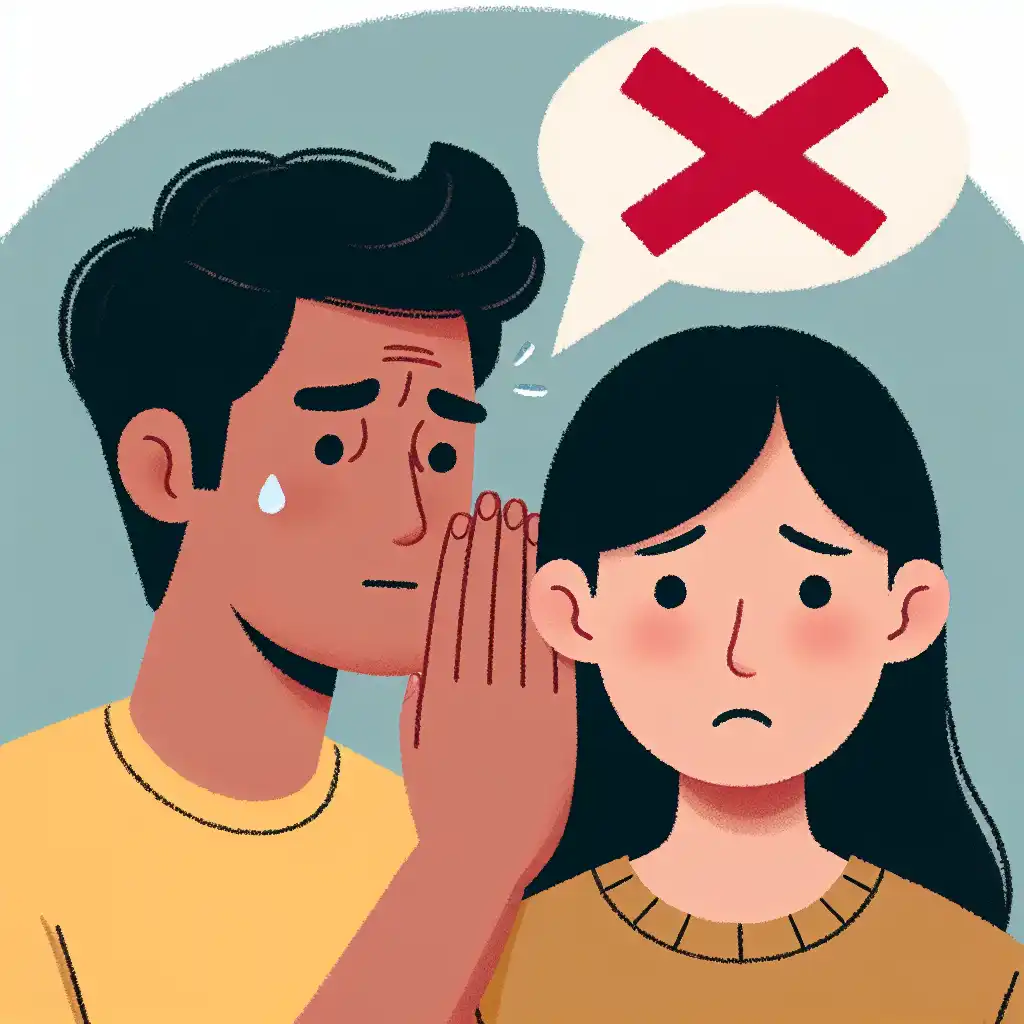
a derogatory term for a person of Chinese descent
That word 'chink' is a racist term and it's not appropriate to use.
No se pudo cargar el audio. Inténtalo de nuevo más tarde.
The word 'chink' is considered an offensive term when referring to a person of Chinese descent. It is important to not use this word when referring to or talking with people of Asian ethnicity. It can be hurtful and disrespectful. It is best to use more appropriate and respectful language when referring to people or cultures.
Aperture refers to a small opening or hole that lets light in. It is commonly used in photography to describe the size of the opening in a camera lens.
Aperture can also refer to any small opening in a material or object.
An aperture is a small opening or hole that lets light in, while a chink is a narrow opening or crack in something. Aperture is primarily used in photography or when describing small openings in objects.
Abrir palabra: Aperture →Break refers to when something is fractured or separated into pieces, typically in a forceful or accidentally way.
For example, a glass can break if dropped on the floor. Chink refers to a small crack or gap in a surface, such as a wall or armor.
Break is a broader and more common term that can apply to a variety of situations where something is damaged, while chink is more specific and typically used in reference to a small opening or gap.
Abrir palabra: Break →A chink is a small opening or crack in a surface or object, often used to describe a gap in a wall, while a crevice is a narrow or deep crack or opening in a rock or other hard material.
Chink is often more commonly used to describe an opening or crack in a man-made structure, while crevice is used more to describe a natural opening, like in a cave or rock.
For example, you might say there was a chink in the brick wall or a chink in the armor. You wouldn't usually use the word crevice in these contexts.
You might describe a crevice in a rock face or a crevice in the ocean floor. You wouldn't usually use the word chink in these contexts.
Chink is used more to describe a small opening, while crevice is used more to describe a long or narrow crack or opening.
Abrir palabra: Crevice →Chink and fissure are both words that refer to small openings or cracks, but there are some differences in their usage.
Fissure is a more specific term that refers to a long, narrow crack or opening, often in a rock, earth or geological structure.
It can also describe a deep division or separation. For example, "The earthquake caused a large fissure in the ground."
In summary, while both words refer to small openings or cracks, chink is more commonly used to describe narrow gaps in structures, whereas fissure is more specific to long, narrow cracks or openings in geological structures.
Abrir palabra: Fissure →Chink refers to a small crack or opening, often used to describe a gap in a wall or armor. Fracture refers to a break or crack in a larger object, such as a bone or a piece of machinery.
Chink is applicable when referring to small openings, while fracture is applicable when referring to larger breaks or cracks.
Abrir palabra: Fracture →Gap refers to a much larger opening or space between two objects or surfaces. It is big enough for something to pass or fit through it.
For example, a gap in a fence is big enough for a person to walk through or for an object to fall through.
A chink is a small opening or crack, while a gap is a larger, noticeable opening or space.
Abrir palabra: Gap →It means a narrow opening or crack, but it is better to use a different word like "crack" or "gap" to avoid offending anyone.
Open means something that is not closed or can be easily accessed. It is a neutral word that can be used in many contexts, like opening a window, opening a door, or opening a package.
Abrir palabra: Open →Both chink and slit can refer to a narrow opening, but chink can be offensive to people of East Asian descent and is often used as a slur.
Slit is a neutral term and can refer to any narrow opening.
Abrir palabra: Slit →There must be a chink in the armour somewhere. Not here!
Ver en YouTube ↗At certain points, I was afraid there was something - a missing chink of skill - that was going to prevent me from having a movie that was financially successful. That frightened me.
whole bunch of bones here that have been cleaned off so you don't see the skin anymore and they actually overlap one over the next it's like this leaving them overlap like that allows no chinks in the armor so these animals are quite well protected when these armor plates
Ver en YouTube ↗Anyone who takes themselves very seriously, or is in any way pompous, or thinks of themselves quite highly, as soon as you pull out one little thread, you find one little chink... that's when it's the funniest.
shape of the world lightning was inside of a titanium chinks and the music was almost wholly even if blood was now leaking from our eardrums
Ver en YouTube ↗Every family has chinks in their armour. I don't know of any family that is perfect.
The kind of acting I love is when you watch and you discover what you think perhaps you weren't supposed to see: the chink in the armor.
The main thing I got wrong in boxing was that I could do all the right things, but I didn't believe I could do it, and that's a big chink in your armor.
Americans are cool; if you show just a chink of vulnerability, they respond so much. They'll pat you on the arm and say, 'Hey kid, you're all right.' Brits will respond but they are much more cynical.