nimbus
noun nimbus
ˈnɪmbəs
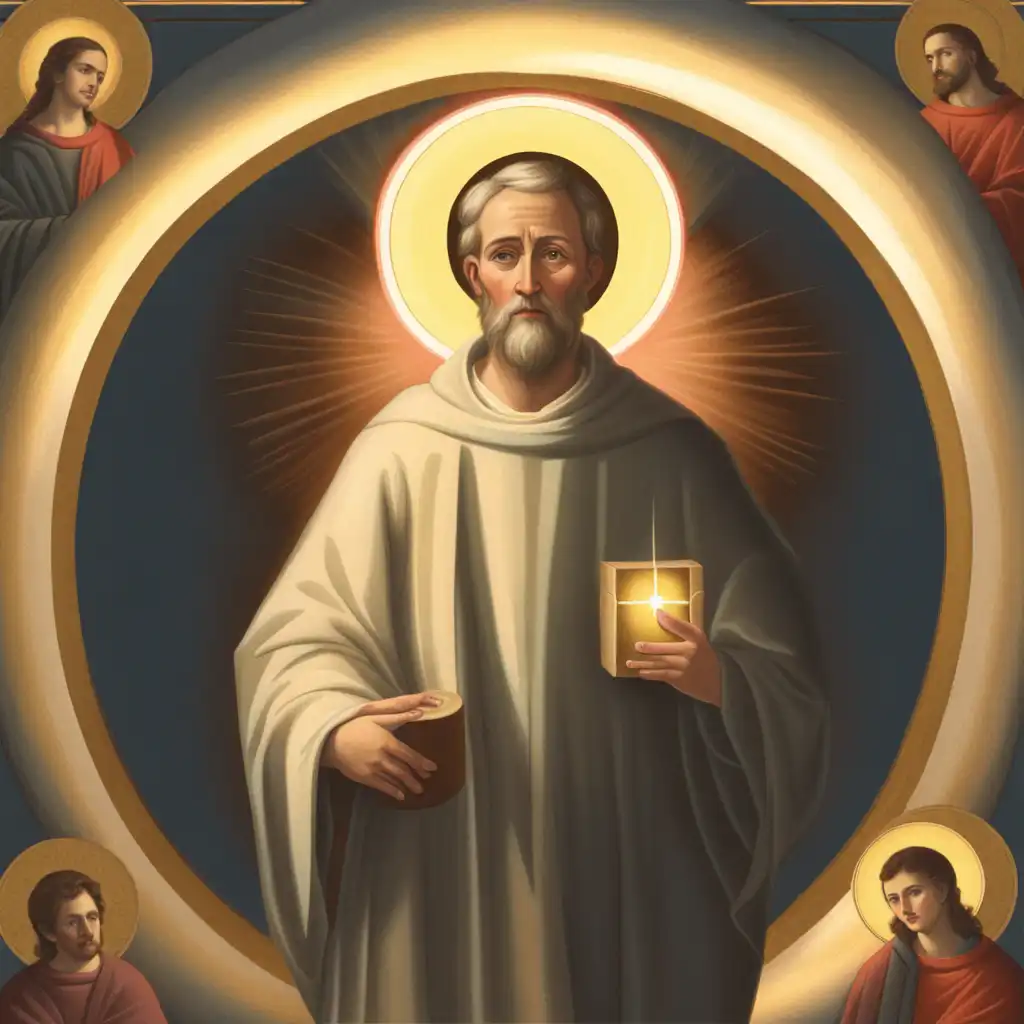
A halo or light that appears to surround someone or something.
A nimbus of light surrounded the saint in the painting.
nimbus
ˈnɪmbəs
加载中…
ˈnɪmbəs
A halo or light that appears to surround someone or something.
A nimbus of light surrounded the saint in the painting.

ˈnɪmbəs
A type of cloud that produces rain.
The grey nimbus clouds indicated an upcoming storm.

ˈnɪmbəs
A bright or shining light often associated with someone or something considered special or holy.
The nimbus around the moon created a beautiful night scene.
音频无法加载,请稍后再试。
The word 'nimbus' is a term used to describe a type of cloud that is dark and often comes with rain. It is also used to refer to a type of halo that surrounds the heads of certain religious figures in art. This word would be appropriate to use when describing the weather, such as talking about a dark and stormy day. It can also be used in a more figurative sense to describe a person who seems to have a mysterious or powerful aura around them.
Aura typically refers to a subtle, often invisible energy or atmosphere that surrounds a person, place, or thing.
In contrast, the word nimbus usually refers to a visible halo or aura surrounding a person or object.
Aura is an invisible energy or atmosphere, while nimbus is a visible ring or halo. Each term has a different context of use and meaning.
打开单词: Aura →Brilliance refers to the quality of being bright, shining, or dazzling. It is applicable when describing things that emit light or have a radiant quality, such as a diamond or the sun.
Brilliance describes a bright quality, while nimbus describes an ethereal quality.
打开单词: Brilliance →Both glory and nimbus refer to a special type of light that surrounds a person or object.
However, glory usually refers to a radiant, bright light that radiates from a person or object, often depicted in religious iconography.
Essentially, glory is a broader term that can describe any bright and radiant light, while nimbus is a specific type of light used in religious art.
打开单词: Glory →However, halo specifically refers to a circle of light around the head of a religious figure in art, while nimbus refers to a circle of light around any person or object in a more general sense.
A halo would be applicable when talking about religious art, and a nimbus would be applicable when describing any type of visual phenomenon that creates a circle of light around something.
打开单词: Halo →Incandescence refers to the emission of light from a hot object, such as a bonfire or a lightbulb filament. Nimbus refers to a cloud or aura that surrounds something, such as the halo around an angel in a painting.
Incandescence is applicable to situations where heat produces light, such as in a torch or a fire, while nimbus describes the aura or halo around a person or object, often used in art and mythology.
打开单词: Incandescence →Luminosity refers to the brightness or radiance of something, like a star or light bulb. It is the measure of the energy that is released by an object per unit of time.
Luminosity is often used in scientific or astronomical contexts.
Luminosity refers to how bright something is, while nimbus refers to the halo or aura surrounding something.
Luminosity is used in scientific contexts, while nimbus is used in artistic or spiritual contexts.
打开单词: Luminosity →Radiance refers to a bright and shining light or energy that shines outward from something. It is applicable in science, technology, and everyday language.
In simpler terms, nimbus is a religious or mythological term, while radiance is a scientific or everyday term for something that shines brightly.
打开单词: Radiance →Splendour refers to great brilliance or beauty, often associated with richness or grandeur.
Nimbus is specifically related to a shining cloud or aura, while splendour refers more generally to something that is visually impressive or beautiful.
打开单词: Splendour →The Cambodian myth of...
在 YouTube 上观看 ↗