turnpike
noun turnpike
ˈtɜːrnpaɪk
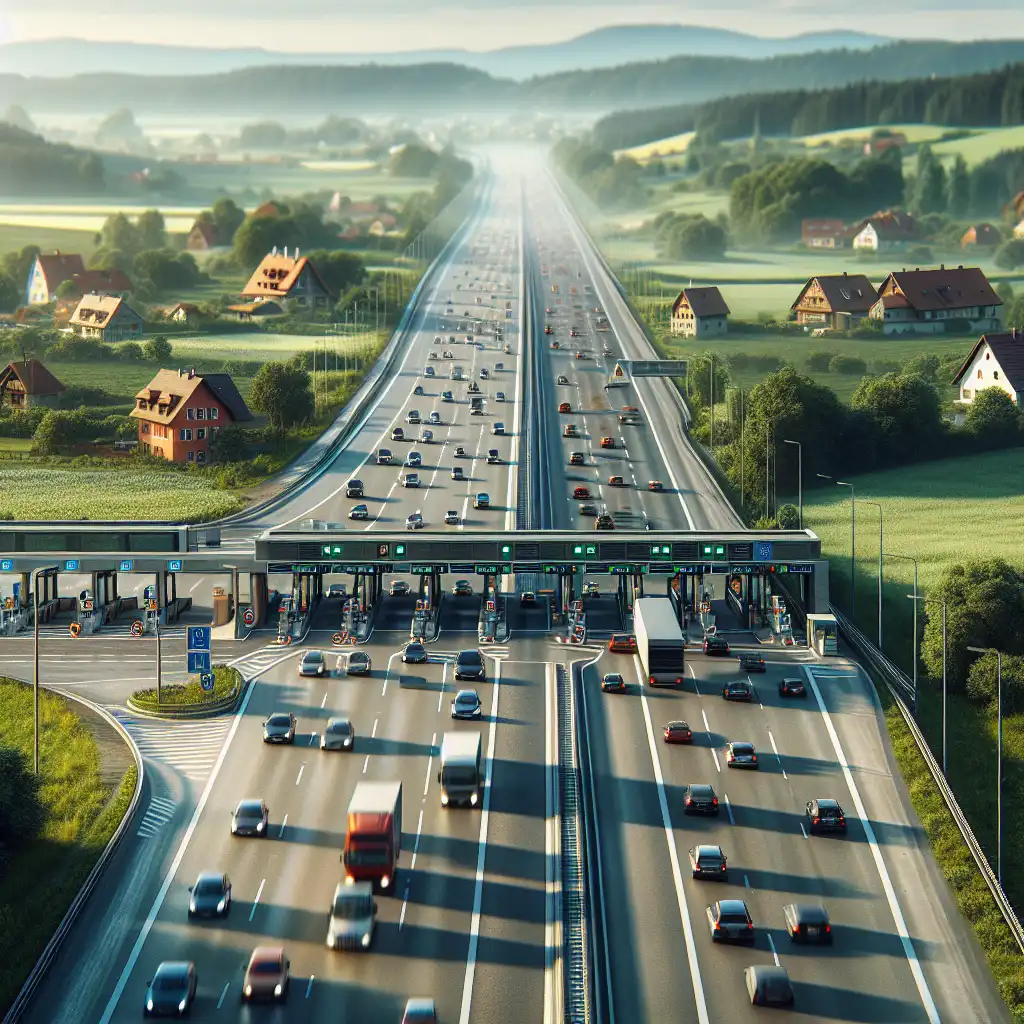
A major highway where you usually need to pay a fee to use.
They drove along the turnpike to get to the city.
turnpike
ˈtɜːrnpaɪk
Cargando…
ˈtɜːrnpaɪk
A major highway where you usually need to pay a fee to use.
They drove along the turnpike to get to the city.
ˈtɜːrnpaɪk
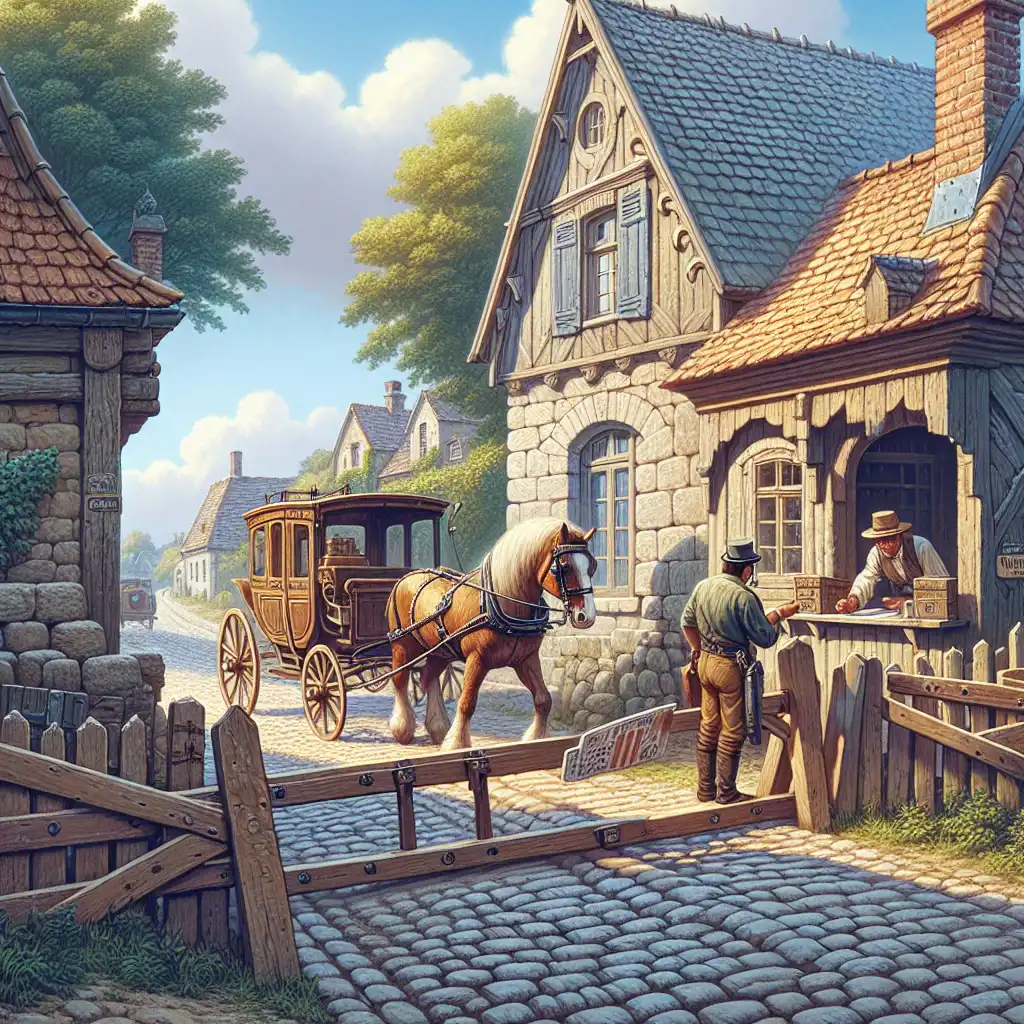
A barrier placed across a road, where people had to pay a toll to pass in the past.
The horse-drawn carriages had to stop at every turnpike.
No se pudo cargar el audio. Inténtalo de nuevo más tarde.
A turnpike is a kind of road or highway where you have to pay a fee to use it. Often, turnpikes are faster and smoother than other types of roads because the money from the tolls pays for the maintenance and upgrades. You might use the word "turnpike" when giving someone directions - for example, "Take the turnpike to get to the city faster."
An expressway is a high-speed highway designed for faster travel between cities or towns.
Both expressways and turnpikes are designed for faster travel but turnpikes often have more tolls than expressways.
Additionally, turnpikes are more common in the eastern part of the US, while expressways are more common in the western part of the US.
Abrir palabra: Expressway →A freeway is a type of road that is free to use and has multiple lanes going in the same direction. There are no toll booths on a freeway, so you do not have to pay to use it.
Freeways are usually found in urban areas and are used for commuting and traveling longer distances.
A freeway is a free-to-use road with multiple lanes, whereas a turnpike charges a fee to use it and may have toll booths.
Abrir palabra: Freeway →Both highway and turnpike are roads that are designed for vehicles to travel on.
A highway is a main road that connects different cities or states. They are typically free to use and are maintained by the government.
Highways usually have a speed limit of 55 to 70 miles per hour and have multiple lanes for traffic going in the same direction.
Unlike highways, turnpikes are often privately owned and operated by a company. Turnpikes usually have fewer exits and entry points and are designed for faster travel with fewer vehicles on the road.
In summary, highways are free to use, maintained by the government, have a speed limit of 55-70 mph and multiple lanes for traffic going in the same direction, while turnpikes are tolled, privately owned and operated by a company, have fewer exits and entry points, and are designed for faster travel with fewer vehicles on the road.
Abrir palabra: Highway →Interstate refers to a system of highways that connect different states in the United States. These highways are owned and funded by the federal government and are typically denoted by the letter "I" followed by a number (e.g.
Both interstate and turnpike can be used to travel long distances, but turnpikes usually have higher fees due to their maintenance and operational costs.
Abrir palabra: Interstate →Both pike and turnpike refer to a type of road or highway, but turnpike is a specific type of toll road.
A pike refers to a major roadway or highway, typically one that is paved and maintained by the government.
A turnpike also refers to a major roadway or highway, but it is typically privately owned and operated. Drivers must pay tolls to use a turnpike, and these tolls help pay for the road's construction and maintenance.
Turnpikes are often found in areas with high traffic volumes or in regions where the terrain makes it difficult to build traditional paved roads.
A pike is a general term for a large roadway or highway, while a turnpike specifically refers to a privately-owned toll road.
Abrir palabra: Pike →Sonic Postcards from The...
Ver en YouTube ↗The Bombay-Pune Expressway, a spanking, modern, six-lane highway will, when completed, be India's first truly international road constructed on the lines of the autobahn or the turnpike.