callus
noun callus
ˈkæləs
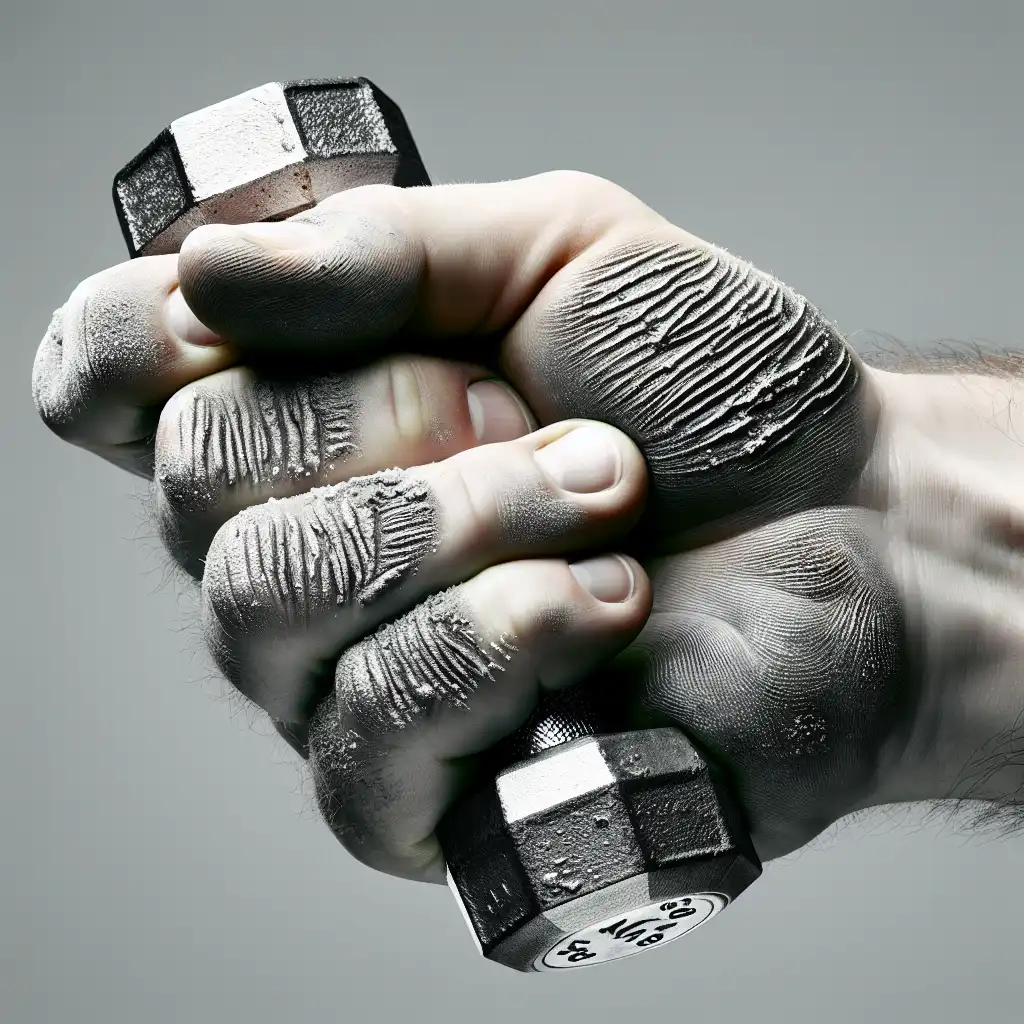
A thick and hard area on the skin, mostly caused by pressure or friction.
He developed a callus on his hand from lifting weights.
callus
ˈkæləs
Loading…
ˈkæləs
A thick and hard area on the skin, mostly caused by pressure or friction.
He developed a callus on his hand from lifting weights.
ˈkæləs
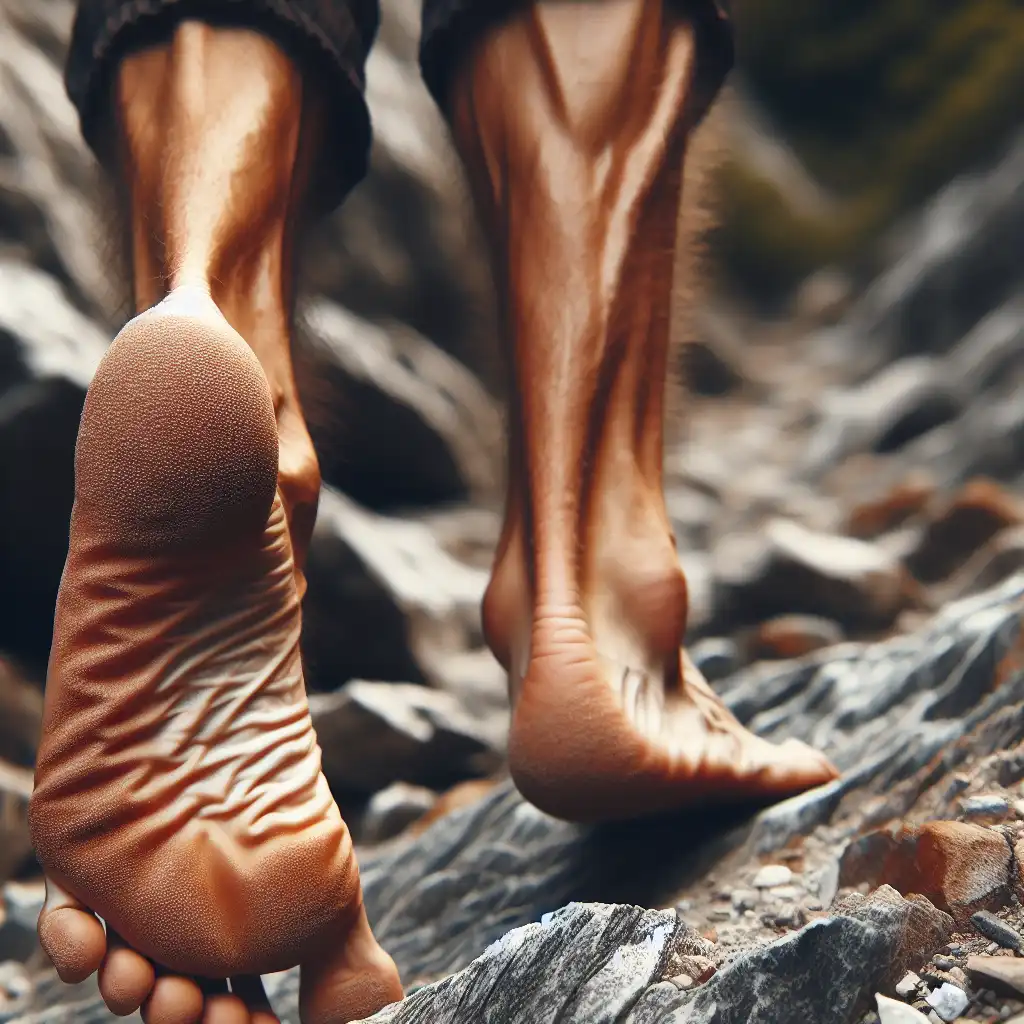
To form a thick and hard area on the skin due to repeated pressure or friction.
Her feet callused from walking barefoot all the time.
ˈkæləs
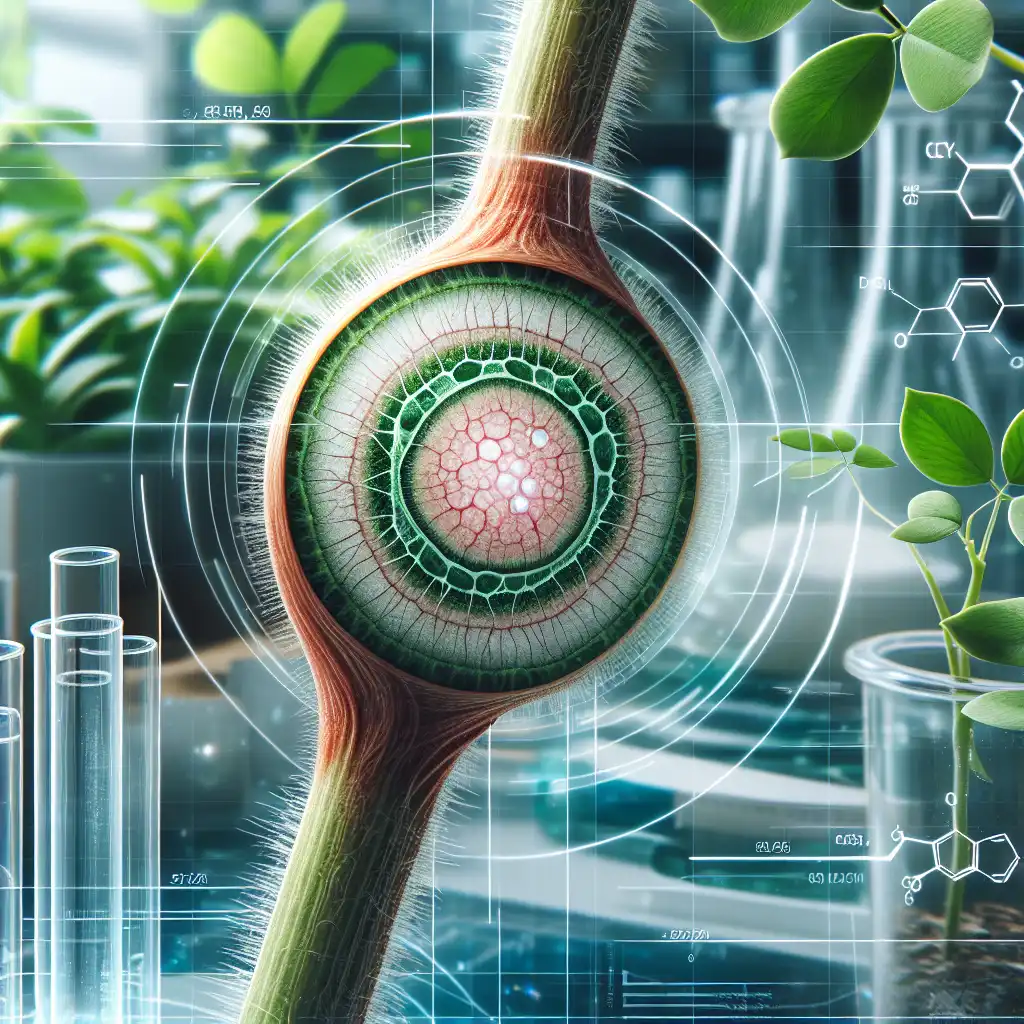
In Plants, a mass of undifferentiated cells that forms at the site of injury.
The plant tissue culture relies on the ability of a plant cell to grow into a callus.
Audio could not be loaded. Please try again later.
A callus is an extra layer of tough skin that forms when a part of your skin has been rubbed or pressed a lot. You can get calluses on your hands, feet, or any other area that experiences a lot of friction. It's important to keep your calluses moisturized to prevent them from cracking and becoming painful. Sometimes, calluses can be removed using special tools or treatments, but they usually serve as a protective barrier for your skin.
An abrasion is a wound caused by a scraping or rubbing against a rough surface.
It is often a minor injury that causes redness and sometimes bleeding. An example of an abrasion is when you fall and scrape your knee on the pavement.
An abrasion is a wound caused by a scrape or rub, while a callus is a patch of hardened skin caused by consistent pressure or friction.
Open word: Abrasion →A blemish is a mark or spot on the skin that is noticeable and can be caused by various factors such as acne, sun damage, or injury.
So basically, a blemish is a surface-level imperfection on the skin that is visible, while a callus is a thickening of the skin that develops over time due to repeated pressure or friction.
Open word: Blemish →A blister is a small pocket of fluid that forms beneath the top layer of skin when it is damaged or irritated. Blisters often occur on the hands and feet, and can be caused by friction from shoes, rubbing, or burns.
In summary, blisters are small pockets of fluid that form as a result of skin damage, while calluses are areas of thickened skin that develop from repeated irritation or pressure.
Blisters are usually painful and contain fluid, while calluses may be painful if they become too thick or cracked, and don't contain fluid.
Open word: Blister →Both calluses and corns are thickened areas of skin that develop in response to pressure or friction.
Calluses are larger and more diffuse than corns, and often develop on hands or feet that are subject to repetitive friction or pressure, such as guitar players or carpenters.
They usually don't hurt, and don't have a central core like corns do.
Corns are smaller and more localized areas of thickened skin. They have a hard, dense center (known as a "core") surrounded by inflamed skin.
Corns are usually found on the toes or other places where there is repeated pressure or friction, such as from tight shoes.
A callus is a larger, diffuse area of thickened skin that is protective, while a corn is a smaller, more painful area with a hard core that requires treatment.
Open word: Corn →A growth refers to an abnormal increase in size or number of cells, tissues, or organs in the body. This can happen due to a variety of reasons including genetic predisposition, hormonal changes, or environmental factors.
Growth can occur in any part of the body and can be benign or malignant (cancerous).
In brief, calluses are formed in response to repeated friction, while growths are an abnormal increase in size or number of cells.
Calluses are usually found on the hands and feet, while growths can occur anywhere in the body.
Open word: Growth →A lesion is a general term that refers to any abnormal change in the structure or function of a tissue or organ.
Lesions can be caused by a variety of factors, including infection, injury, or disease.
Examples of lesions include sores, tumors, and rashes.
Lesions can be more serious and may require medical attention.
In summary, calluses are areas of thickened skin caused by repeated pressure or friction, while lesions refer to any abnormal change in the structure or function of a tissue or organ.
Calluses are usually harmless while lesions can be a sign of a more serious medical condition.
Open word: Lesion →A protuberance is a bulge or swelling that protrudes from a surface. This term can describe any kind of bump or lump on the body, such as a bone spur, a cyst, or a growth.
In summary, calluses are thickened areas of skin that develop as a protective response to friction or pressure, while protuberances are bulges or swellings that protrude from a surface, and can refer to any kind of bump or lump on the body.
Open word: Protuberance →Callus refers to a hardening or thickening of the skin as a result of repeated friction, pressure, or irritation. This often happens on the hands or feet due to activities like weight lifting or walking.
Thicken doesn't necessarily refer to the skin but can describe the process of making something thicker or denser, like a sauce or a material.
It can also refer to something becoming more substantial or intense, such as a plot in a story. Callus is a specific type of thickening that occurs on the skin, while thickening can describe a broader range of processes or changes.
Open word: Thicken →Safari Live - Day 4 %\PIPE%...
Watch on YouTube ↗Most things break, including hearts. The lessons of life amount not to wisdom, but to scar tissue and callus.
Daniel Kraft invents a...
Watch on YouTube ↗When I came off the boat I was very proud of the thick calluses which had developed on my feet. But now, I am struggling to get into my favourite high heels which is a shame, as I have so many.
The calluses on your feet in space will eventually fall off. So, the bottoms of your feet become very soft like newborn baby feet. But the top of my feet develop rough alligator skin because I use the top of my feet to get around here on space station when using foot rails.
When I was younger, my feet would hurt a lot, but you build up calluses and strength, and you don't feel as much pain there. But then again, it's a give and take. The older you get, you may feel pain in your back or your hips.
You can tell a lot about a man from his hands. If they don't have any scars or calluses on them, you might as well assume they cry at romantic comedy films, too.
A warrior is not a person that carries a gun. The biggest war you ever go through is right between your own ears. It's in your mind. We're all going through a war in our mind, and we have to callus our mind to fight that war and to win that war.
The honest-to-goodness answer is that Twitter tells me everything, and I have calluses on my fingers from all the mouse-clicking.
I've been catching footballs - I've been a wide receiver since I was 15 years old. And every quarterback I've had, for the most part, threw a pretty hard ball. So I'm not getting away from the calluses.
I am trying to build the biggest callus possible on my first finger so I can do one-finger bends and vibrato like B.B. King.
The golden rule for playing the bass is that's it all about feel, not just plonking away. You need to feel the sound, not using a pick or a plectrum - which has meant plenty of calluses on my fingers.