chew
verb chew
tʃuː
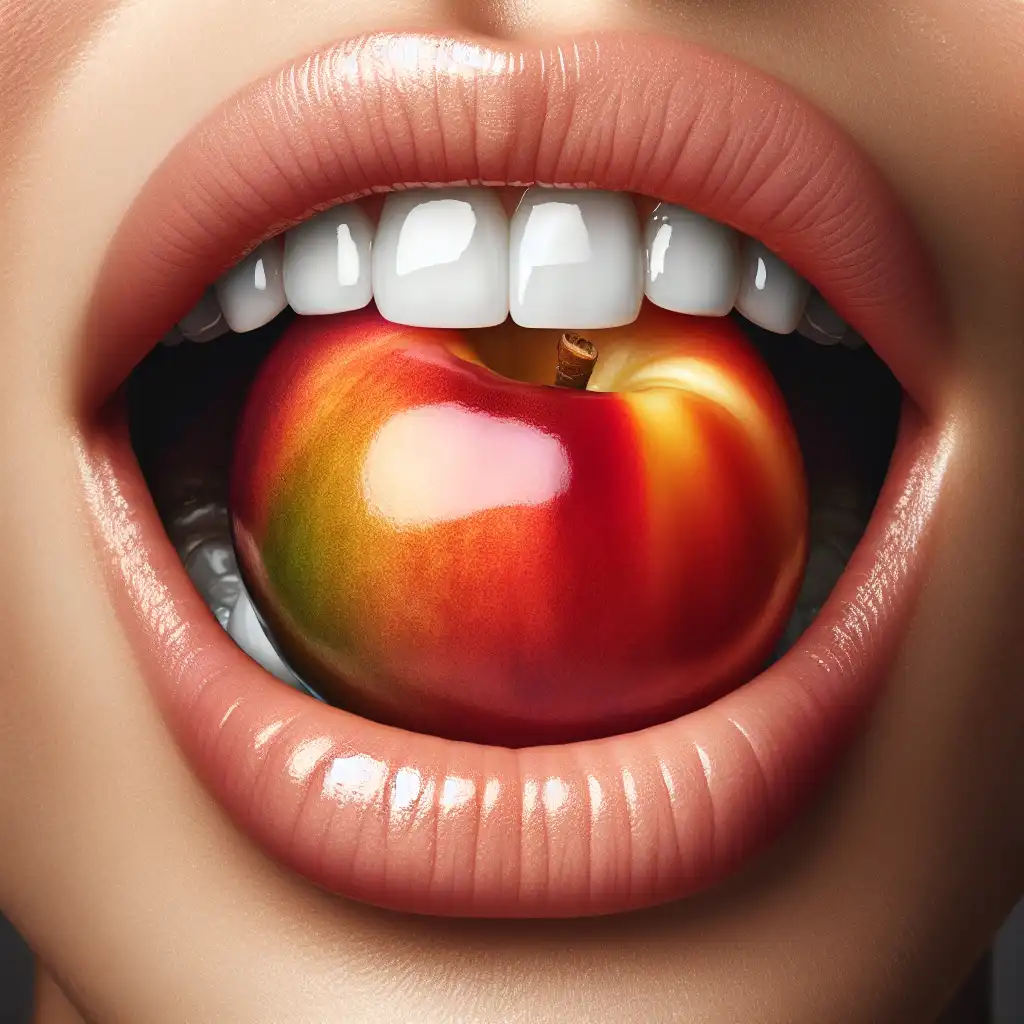
To crush or grind food in your mouth using your teeth
Don't speak with your mouth full, chew your food first
chew
tʃuː
Loading…
tʃuː
To crush or grind food in your mouth using your teeth
Don't speak with your mouth full, chew your food first

tʃuː
To think about something at length
She has been chewing over this problem for days

tʃuː
To criticize someone severely
The coach chewed him out for his lack of effort
tʃuː
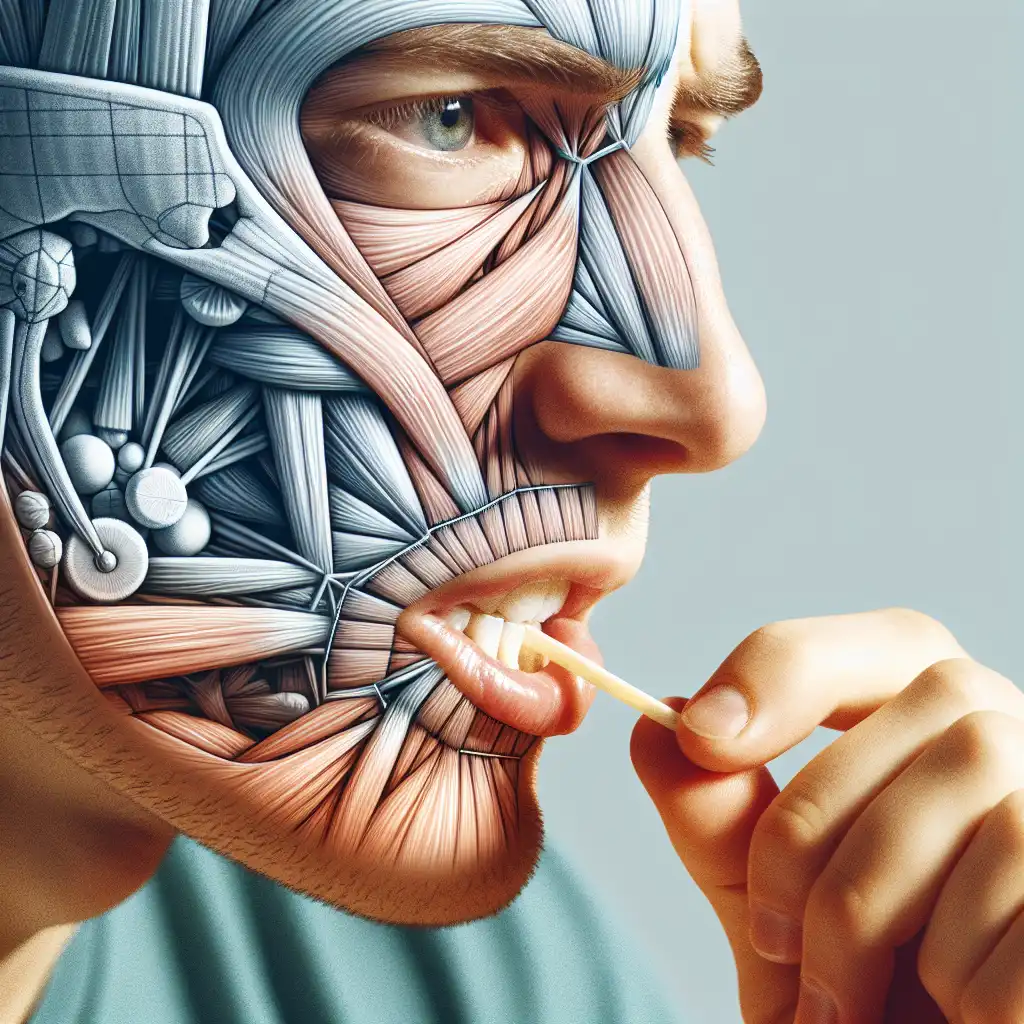
The act of chewing
He heard the constant chew of her chewing gum

tʃuː
To work steadily at something, especially a difficult task
They've been chewing at this project for months
Audio could not be loaded. Please try again later.
The word "chew" means to break food down with your teeth and make it into tiny pieces so that you can swallow it easily. You use this word when eating food like gum, candy, or food. When you chew your food properly, it helps in digestion and also keeps your teeth strong and healthy. You can chew food anywhere, whether you are at home or outside, but make sure to always chew your food properly and not swallow it whole.
Bite means to use your teeth to break off a piece of food. It's usually the first step in eating something. Chew means to move the food around in your mouth with your teeth and mix it with saliva to make it easier to swallow.
It's usually the second step in eating something. Both words apply to the act of eating, but bite happens first while chew happens after you have bitten off a piece of food.
Open word: Bite →Champ means to chew on something vigorously and make a crushing sound with your teeth, usually with food. For example, if someone is eating steak and chews it vigorously, they can be said to be "champing" the steak.
Chew is a more general term for the act of breaking food down with your teeth, while champ refers specifically to the sound and vigor of the chewing.
Open word: Champ →Both words refer to the action of biting and crushing food with your teeth, but chew usually implies a slower and more deliberate process, while chomp implies a faster and more forceful one.
If you are very hungry and devouring a sandwich quickly, you might say that you are 'chomping' on it, almost like an animal.
Chew is more often used for softer, more delicate foods that require a bit more effort to break down and digest, while chomp is used for harder, crunchier foods that can be bitten and swallowed more quickly.
Open word: Chomp →Crunch refers to the sound and sensation of breaking something hard and crisp between your teeth. It is applicable when you are eating something that is crispy and makes a crunchy sound like potato chips or celery.
Chew is the action of breaking down food in your mouth, whereas crunch is the sound and sensation of breaking something crispy between your teeth.
Open word: Crunch →Both chew and gnaw are verbs used to describe the act of biting and grinding food with the teeth, but chew describes the process of breaking down food with the help of saliva and teeth, while gnaw describes the act of biting and wearing down something hard and tough, such as a bone or a stick.
For example, you might chew your food when eating breakfast in the morning, but you might gnaw on a bone to break it down for a dog.
Chew describes breaking down food in the mouth, while gnaw describes biting and wearing away at something hard and tough.
Open word: Gnaw →Grind means to crush, form or pulverize something into small pieces or powder using mechanical force or an abrasive surface.
This is usually done to change the texture or consistency of a substance, like grinding coffee beans or grinding wheat into flour.
Grind is used in relation to various materials to crush, form or pulverize them into small pieces or powder.
Open word: Grind →Both words chew and masticate mean to grind food with the teeth in order to break it down into small pieces for swallowing.
The difference between the two is that chew is the more common and general term for the action of breaking down food with the teeth while masticate is a more formal and technical term that refers specifically to the process of grinding food with the molars.
Chew is the word that most people would use in everyday language, while masticate is more likely to be used in academic or scientific contexts.
Open word: Masticate →Both chew and munch refer to the action of breaking down food with your teeth, but there is a difference in how they are used.
Chew is a general term for breaking down food with your teeth, while munch specifically refers to a sound associated with chewing.
Munch is often used to describe eating something crunchy or crispy that makes a loud sound when being chewed, such as chips or popcorn.
Chew is a general term for breaking down food with your teeth, while munch specifically refers to the sound of chewing something crunchy.
Open word: Munch →But before the poisons could end his life, a leaf drifted into his mouth. He chewed on it and it revived him, and that is how we discovered tea. Or so an ancient legend goes at least.
Watch on YouTube ↗Knowing his coach likes him is more important to a player than anything else. To me, it was important to be able to chew out a player for screwing up and for him to accept it because he knew I liked him anyway.
To the side. There we go. If I just let it go he'd keep swallowing it. So the fact that I pull it to the side makes him use his carnassial teeth, which are the ones that are designed for chewing off chunks of flesh. Dearie me. Just
Watch on YouTube ↗A man begins cutting his wisdom teeth the first time he bites off more than he can chew.
is to get the hide flexible soft after it dries mostly it's by scraping sometimes chewing on it because what you'll see is you'll actually see it turning the leather like right here if you just chew it a little bit you know the whole days people use to hide all the time saliva actually helps it a lot of people don't get to do
Watch on YouTube ↗I never like to sit and discuss my character, the other character, our relationship, or anything like that. I feel like if I did my job and I trust that the other person has done theirs, you just go on set, play around with it, chew the scene for a little bit; then we roll, and that's it.
when neither of them can chew solid food anymore. And researchers want to know why. I mean look -- it doesn't take a double-blind placebo-controlled study to figure out what makes a marriage not disrespect boredom,
Watch on YouTube ↗I think the most significant change in my life is the decision to do a series. An hourlong dramatic television series on a broadcast network swallows you and chews you up and refuses to spit you out. You're making a decision that's going to be a profound and significant impact on the practical aspects of your life.
they're hot or sweet or sour or savory then we're also gonna listen to the way that they crack when you start eating them or when you drop them on a surface this is very important you don't want to be that loud guy in the restaurant that chewing on that spice blend last but not
Watch on YouTube ↗You gotta be really careful what you bite off. Don't bite off more than you can chew. It's a dangerous world.
Plants' defenses start at their surface. The bark covering tree trunks is full of lignin, a rigid web of compounds that's tough to chew and highly impermeable to pathogens. Leaves are protected by a waxy cuticle that deters insects and microbes.
Watch on YouTube ↗I found out was, by the rhythm of my chewing, how I chewed fast, slow or what have you, I could tell the audience what my character was thinking and feeling.
They've also been seen to self-medicate for example chewing the leaves of medicinal trees to induce labour. These are skills a baby must learn and in turn pass on to the next generation. In fact the saying an elephant never forgets is not so far from the truth.
Watch on YouTube ↗Those who have experienced the most, have suffered so much that they have ceased to hate. Hate is more for those with a slightly guilty conscience, and who by chewing on old hate in times of peace wish to demonstrate how great they were during the war.
oh they've pulled the cable out i don't believe it they're chewing it that's not good at all that's a shame because they just plucked up the courage to come right up to the camera so the camera did give us the opportunity to find out a bit more about them i think from our point of view
Watch on YouTube ↗I see my responsibility as to give people something they want to keep turning the pages of and giving people something to chew on, looking at some aspect of human nature that hadn't occurred to them recently.
into the tree branches there they will take up their adult life of leisure well camouflaged solidly chewing leaves giving your offspring a good start in
Watch on YouTube ↗When things haven't gone well for you, call in a secretary or a staff man and chew him out. You will sleep better and they will appreciate the attention.
chewing is not the problem the problem is swallowing it because it's so slimy and it sticks to your tongue so it's hard to swallow when it's sticking to your tongue that's very difficult sorry guys I tried Ingram is left with a new appreciation for the courage of his
Watch on YouTube ↗I had a rat-tail when I was younger. I had this nice Bobby Brown fade, with a rat-tail that was long enough to wrap around my face. I used to chew on the end and bite it.