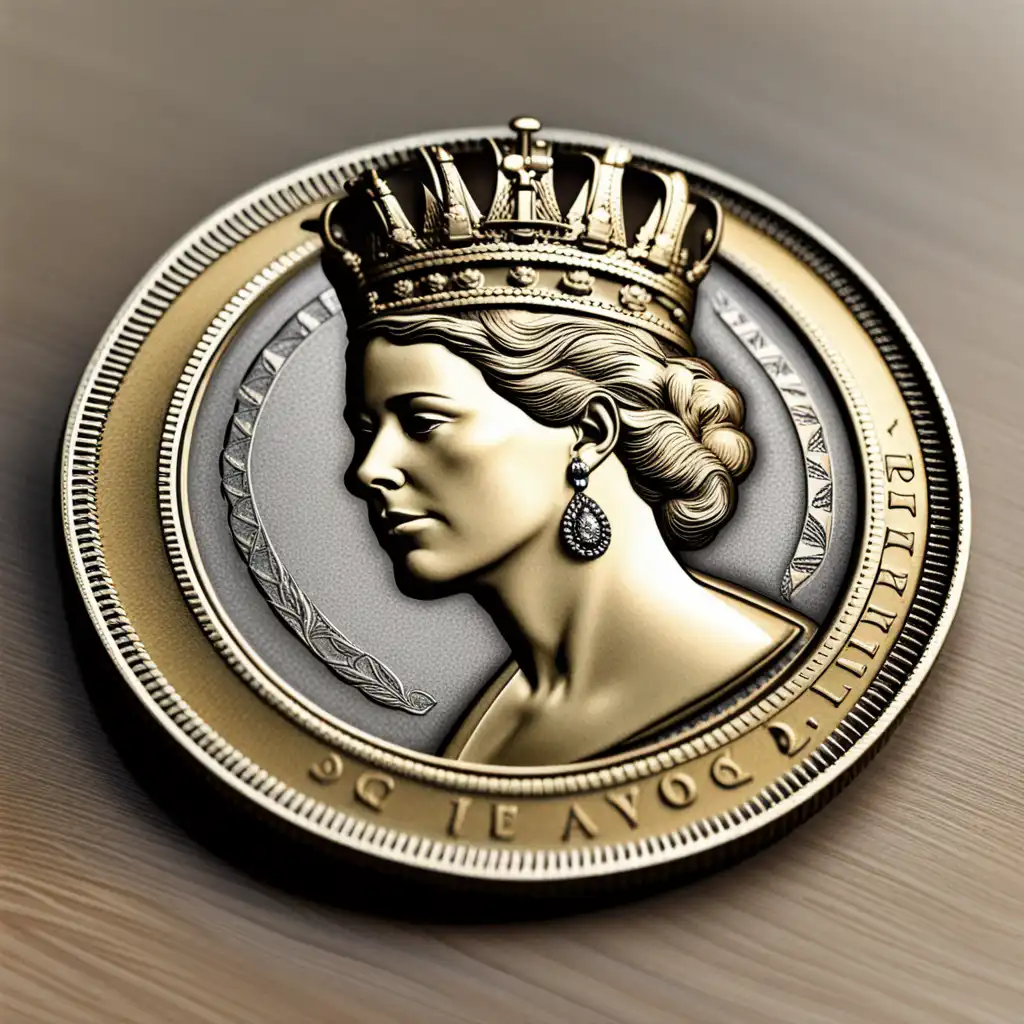
obverse
noun obverse
ˈɑːbvɜːrs
The side of a coin or medal that has the main design or image.
The obverse of the coin features a portrait of the queen.
obverse
ˈɑːbvɜːrs
불러오는 중…
ˈɑːbvɜːrs
The side of a coin or medal that has the main design or image.
The obverse of the coin features a portrait of the queen.

ˈɑːbvɜːrs
Similar or corresponding to something else.
The obverse process of transforming water into steam.
오디오를 불러오지 못했어요. 잠시 후 다시 시도해 주세요.
The word 'obverse' is usually used to refer to the front side of a coin or medal. It is also sometimes used to refer to the front or main side of something, like a building or document. For example, if you are talking about a coin, you might say "the image of the president is on the obverse side of the coin," meaning that the president's image is on the front side. In everyday conversation, however, the word 'obverse' is not commonly used and can be considered quite formal or technical.
Both face and obverse refer to the front side of an object, usually a coin or a medal.
However, face is a more general term that can refer to any front side of an object, while obverse specifically refers to the front side of a coin or medal that typically contains the main design or image.
Face can be applicable to any front side, while obverse is only applicable to coins or medals.
단어 열기: Face →Front refers to the side of something that is meant to face forward or be seen first. For example, the front of a shirt is the side with buttons or a design.
Obverse usually refers to the front side of a coin or medal. It is the side that usually bears the image of the head of a person, a national emblem or other symbol.
단어 열기: Front →Head typically refers to the front or top part of a person's body, or the front part of an animal's body.
It can also refer to the top part of an object, such as the head of a hammer or the head of a bed.
Head is more commonly used and can refer to various different things, while obverse is a more specific term mainly used in the context of coins and medals.
단어 열기: Head →Marketing is the obverse of programming.
I think the rise of quantitative econometrics and a highly mathematical approach to risk management was the obverse of a decline in interest in financial history.
We go along, without a fixed itinerary, yet at the same time with an end (what end?) in mind, and with the aim of reaching the end. A search for the end, a dread of the end: the obverse and the reverse of the same act.