headgear
noun headgear
ˈhedɡɪr
something worn on the head for protection, fashion, or identification
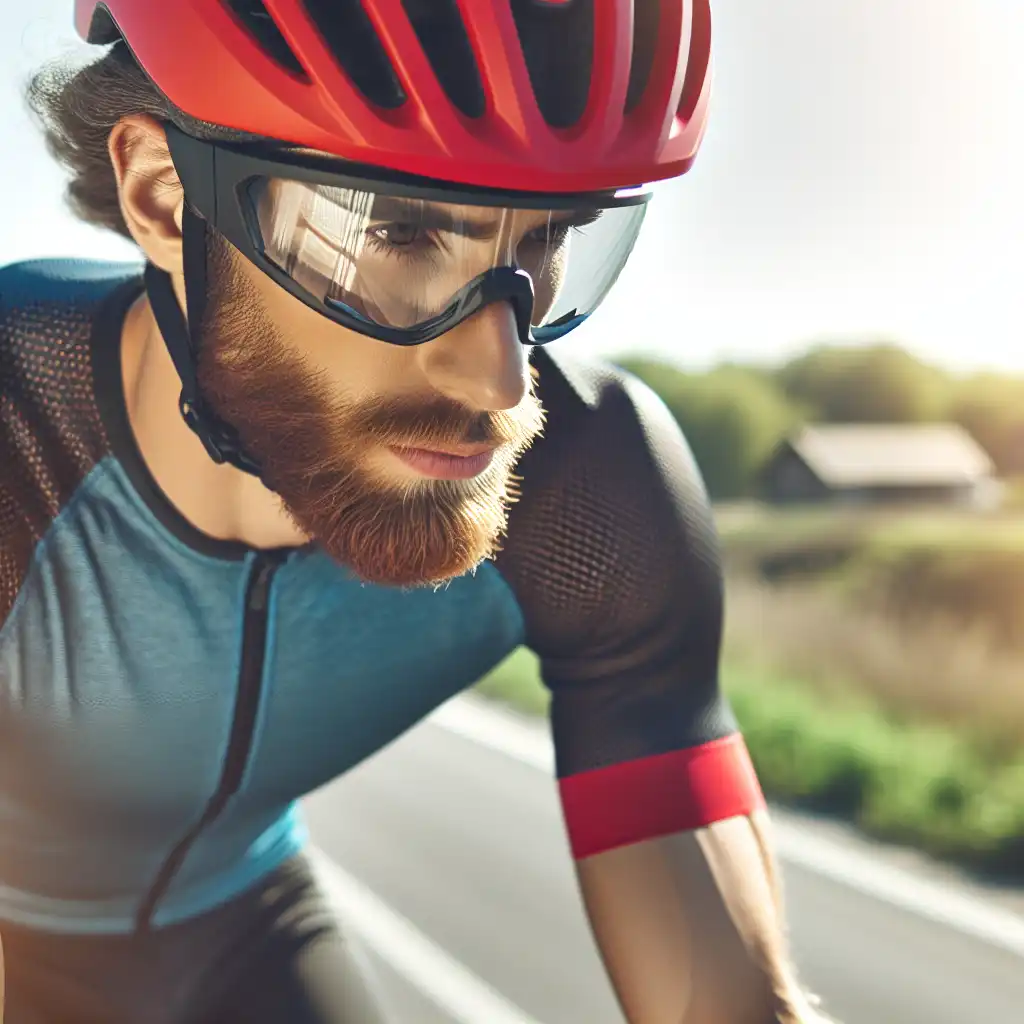
The cyclist wore a bright red headgear to ensure visibility on the road.
headgear
ˈhedɡɪr
Đang tải…
ˈhedɡɪr
something worn on the head for protection, fashion, or identification
The cyclist wore a bright red headgear to ensure visibility on the road.

ˈhedɡɪr
a device worn on the head to correct or maintain certain positions of the teeth and jaws
The orthodontist recommended that she wear her headgear every night.
Không tải được âm thanh. Vui lòng thử lại sau.
Headgear refers to any kind of device that is worn on the head to protect it, support it or decorate it. It can be a helmet, a hat, a cap, a headband, a hair accessory or any other similar item. Headgear is commonly used in various activities like sports, cycling, skiing, and construction work where there is a risk of head injury. It is also used to support the teeth or jaw, in the case of orthodontic treatment. In everyday life, headgear can be worn for fashion, cultural or religious reasons. Overall, headgear serves various functional and aesthetic purposes and is an important accessory for many people around the world.
A beret is a specific type of headgear, while headgear is a general term for any type of covering worn on the head. Berets are typically round, flat hats made of soft material like wool or cotton, and are often associated with military or artistic styles.
Headgear covers a wide range of items from hats to helmets, and can be used for functional or fashion purposes. Beret is a specific type of headgear, while headgear is a general term for any item worn on the head.
Mở từ: Beret →Bonnet is a type of headgear that is usually made of soft fabric, and covers the head and neck of the wearer.
It is typically worn by women and children, and is often associated with historical or traditional clothing. Bonnets are mainly used as fashion accessories or for protection from the sun.
In summary, bonnets are a specific type of headgear that is soft and worn primarily for fashion or sun protection purposes, while headgear is a more general term that can encompass a vast array of head coverings with varying functions and styles.
Mở từ: Bonnet →Cap and headgear are both terms for a type of hat, but they can have slightly different meanings.
A cap typically refers to a hat that fits snugly on the head and has a visor (a small brim) at the front to shade the eyes.
Caps are typically made of materials like cotton or wool and are often worn for sports, casual wear, or as part of a uniform.
Headgear is a broader term that can refer to any type of hat or head covering, including caps but also including things like helmets, bonnets, crowns, and more.
To sum up, if you're talking specifically about a hat that has a visor and fits snugly on the head, you would say cap. But if you're talking about any type of head covering, you would use the more general term headgear.
Mở từ: Cap →Crown specifically refers to a special type of headgear that is worn by a monarch, ruler or other high-ranking person, usually made of precious metals and jewels.
Mở từ: Crown →A hat is a type of headgear that is usually made of flexible materials such as cloth, wool, or felt, with a brim and a crown.
The purpose of a hat is to protect the head from the sun or cold weather, to serve as a fashion accessory, or to signify membership of a group or profession.
Headgear is an umbrella term that includes any type of covering worn on the head, including hats, helmets, crowns, and turbans.
A hat is a specific type of headgear with a brim and crown, while headgear is a broader term that includes all types of head coverings.
Hats are typically worn as a fashion accessory or for protection from sun or cold, while headgear can serve multiple purposes depending on the type of headgear worn.
Mở từ: Hat →Headgear and helmet are both items worn on the head, but they serve different specific purposes.
A helmet is a specific type of protective headgear that is designed to protect the head from impacts, such as those that might occur while riding a motorcycle, playing football, or participating in other high-impact activities.
Headgear is a more general term that can refer to any type of protective covering worn on the head, while a helmet is a specific type of headgear designed for protection during high-impact activities.
Mở từ: Helmet →A hood is a garment that covers the head and often extends over the shoulders and upper body.
It is typically part of a larger garment, such as a coat or sweatshirt. Hoods are commonly used to protect the head and neck from cold, wind, or rain.
Headgear refers to any piece of equipment or accessory worn on the head, while a hood is a garment that covers the head and often extends over the shoulders and upper body.
Mở từ: Hood →It can include things like hats, helmets, and headbands. Tiara specifically refers to a jeweled or ornamental headband worn by women for formal events, like weddings or beauty pageants.
So, while any kind of head covering can be considered headgear, a tiara is a type of headgear that is only worn in certain situations.
Mở từ: Tiara →A turban refers to a specific type of headwear that is commonly worn by people from certain cultures or religions, such as Sikhs or Muslims.
Headgear is a general term for any type of headwear, while a turban is a specific type of headwear that is cultural or religious in nature.
Mở từ: Turban →Finding Little Owls in...
Xem trên YouTube ↗I, for one, refuse to box without headgear as an amateur. With the rising awareness of concussions and head injury, it is becoming more evident that we need to protect our brains as much as possible. There hasn't been enough research to conclude that it is safer to box without the use of headgear.
Alison Wright: Portraits...
Xem trên YouTube ↗At 3-D Imax theaters, audiences have shown they are willing to pay a premium to wear headgear fitted with liquid-crystal lenses synchronized via infrared signals with the movie projector, which runs at twice the normal frame rate. These movie viewers plumb new depths in depth perception - they experience extreme realism.
The radical beauty of...
Xem trên YouTube ↗The integration of a headgear in professional boxing would do so much to make it safer for young men. They could go into the sport, make a lot of money and then come out and be good grandfathers.
I was really shy growing up. I had braces, headgear, and no boobs - still don't. So, the boys weren't interested in me. The only way I could get attention was by being a goof and a dork, which meant a lot of physical comedy.
There's not a lot of things to look out for in amateur boxing. Once the headgear comes off, once the 10-ounce gloves come on and you're fighting men and you're doing all these different things, that's where the experience comes.
I'm looking forward to the fighting with no headgear - I'm jealous. I kind of want to go back to the Olympics to experience no headgear.
I'd never seen Rigondeaux's face without it being obscured by headgear or a photograph of Fidel he was holding up after winning a tournament. Finally I saw him, only to recognize the saddest face I'd ever seen in Cuba.
Well... I had braces and I had to wear headgear! I loved my braces, actually. For me, they were like a piece of jewelry! Instead of the silver or pewter I had gold braces. It was so much fun, I loved them. I got to change the colors and stuff and I had the rubber bands.
When I write a word in English, a simple one, such as, say, 'chief,' I have unwittingly ushered a querulous horde into the room. The Roman legionary is there, shaking his cap, or head, and Andy Capp is there, slouching in his signature working man's headgear.