coal
noun coal
kəʊl
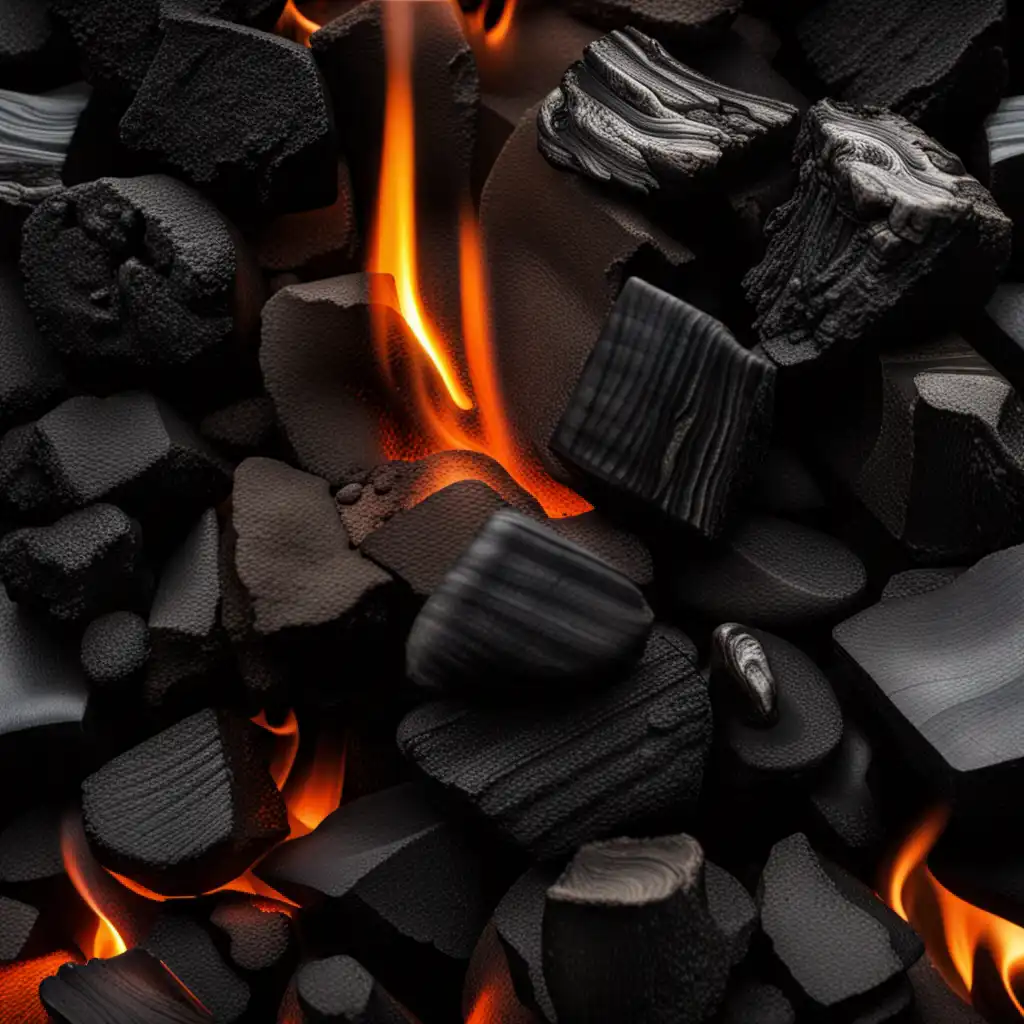
A black or brownish-black hard mineral substance that is burned for heat or energy
We used to heat our house with coal
coal
kəʊl
Đang tải…
kəʊl
A black or brownish-black hard mineral substance that is burned for heat or energy
We used to heat our house with coal
kəʊl
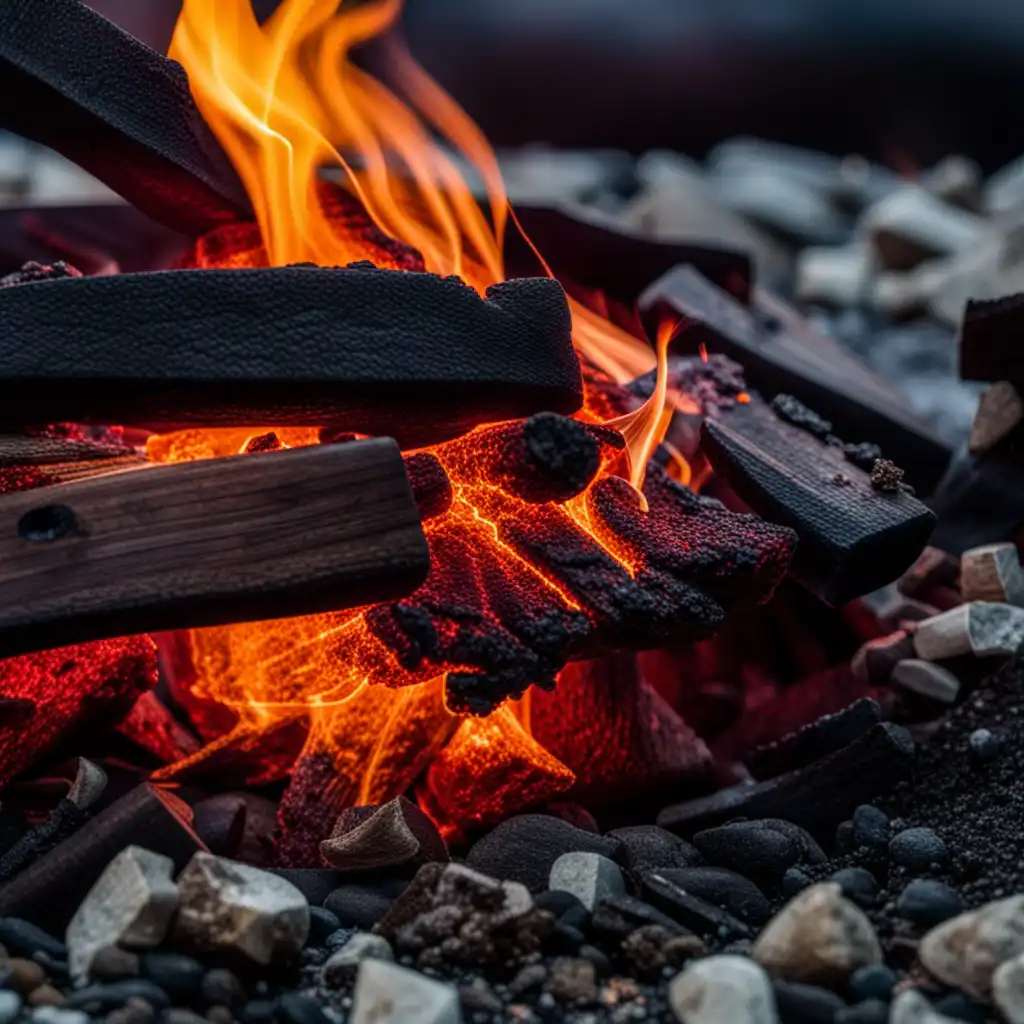
A piece of glowing, burned, or heated wood or coal
The fire had died down, but a single coal still glowed

kəʊl
A type or color of eye color, similar to a shinny black color
She has coal-black eyes

kəʊl
A punishment or negative consequence, often seen in Christmas legends where naughty children receive coal instead of gifts
He was naughty this year, so Santa gave him a lump of coal
Không tải được âm thanh. Vui lòng thử lại sau.
Coal is a type of rock that is found deep in the ground. It is black and can be burned to create heat and energy. People often use coal to power trains, generate electricity, and heat buildings. Coal is also a fossil fuel that produces greenhouse gases, so using it can harm the environment. It is important to use cleaner sources of energy like wind and solar power instead of coal whenever possible.
Anthracite is a type of coal that is harder and more dense than other varieties. It has a high carbon content and produces less smoke and soot when burned.
Anthracite is often used as a fuel source in heating systems, such as stoves and boilers, due to its high heat output and consistency.
So, while all anthracite is a type of coal, not all coal is anthracite. And while coal is versatile and can be used in a variety of applications, anthracite is specifically valued for its high-quality heating properties.
Mở từ: Anthracite →Bituminous coal is a specific type of coal that has a high carbon content and is found in certain regions around the world.
Coal is a general term for a group of fossil fuels, while bituminous coal is a specific type of coal with specific properties.
Bituminous coal is commonly used as a fuel source for heating and power generation, but coal as a whole can be used for a range of applications including electricity generation and steel production.
Mở từ: Bituminous →Carbon is a chemical element represented by the symbol 'C' in the periodic table. It is found in many forms like diamonds, graphite, and even in our bodies as a component of proteins, fats, and DNA.
Carbon is very important for life on Earth and is present in almost everything we encounter.
Coal is mostly made up of carbon and is used as a source of energy in power plants and industries.
Carbon is a naturally occurring element that is essential for life, while coal is a fossil fuel that is derived from carbon and is used for energy production.
Mở từ: Carbon →Charcoal is a fuel made by burning wood in the absence of oxygen. It is black in color and is used for cooking, heating, and drawing.
Charcoal is used for smaller-scale purposes like grilling, while coal is used for larger-scale purposes like powering electric grids.
Mở từ: Charcoal →Coal and fuel are both energy sources but have differences in their properties.
It can also be used as a fuel for heating homes and for industrial purposes. Coal is not as versatile as fuel as it requires special equipment for burning and is less efficient compared to fuel.
Fuel is any material that can be burnt to produce heat, energy, or power. It is a broader term which includes coal, oil, gas, wood, and electricity.
Fuel is used for many purposes like transportation, heating, and power generation. It is more versatile than coal as it can be used with various combustion technologies and is more efficient.
In simpler terms, coal is a specific type of fuel that is used for generating electricity while fuel is a general term that includes various sources used for different purposes like heating, transportation, and power generation.
Mở từ: Fuel →Coal and lignite are both types of fossil fuels, but they differ in their composition and properties.
Lignite is a brownish-black coal-like substance that is formed from compressed peat. It has a lower carbon content than coal and higher moisture content, which makes it less energy-dense and more difficult to burn than coal.
Lignite is typically used for local power generation, heating, and industrial applications.
Coal is a harder, more energy-dense fossil fuel used for large-scale energy production, while lignite is a softer, less energy-dense fossil fuel used for smaller-scale energy generation and industrial processes.
Mở từ: Lignite →Coal is a type of mineral that forms from the remains of ancient plants that died and were compressed and heated over millions of years.
Minerals refer to naturally occurring substances that are formed by geological processes. They can be found in a variety of places, from the earth's crust to the ocean floor.
Minerals are often used in industrial processes, such as making metals or glass, and can also be used in cosmetics and dietary supplements.
In essence, coal is a specific type of mineral that is primarily used for energy, while minerals more broadly refer to a range of naturally occurring substances that can have various uses.
Mở từ: Mineral →Coal and peat are both types of fossil fuels.
However, peat is a less mature form of coal that is formed from decaying plants in waterlogged conditions. It is found in areas with lots of wetlands such as swamps and bogs.
Peat is typically used as a fuel for heating and cooking in rural areas.
Coal is a more mature form of peat that is formed under high pressure and heat over millions of years. It is found in coal deposits across the world and is used to generate electricity in power plants, as well as for steel production and other industrial uses.
Peat is a less mature and less efficient form of coal that is found in wetland areas and used for heating and cooking.
Mở từ: Peat →that might be happening deep beneath our feet. Fracking's biggest controversy though is happening above the ground. The general consensus is that burning natural gas is better for the environment than burning coal since the gas collected from fracking emits only half the carbon dioxide as coal
Xem trên YouTube ↗Not all the coal that is dug warms the world.
coal gas and oil to power our energy generation to heat our homes to drive our factories to power our cars and our trains and travel around the world and when we burn fossil fuels
Xem trên YouTube ↗Life isn't that complicated. I'm completely happy playing football. I'm happy to get out of the coal mines.
to come to the capital city and to share her story. She sat down with me for hours, just ushered me in to the world of poverty. She described what it was like when the coals on the cooking fire finally just went completely cold.
Xem trên YouTube ↗Throughout my childhood, when I raised my blanket in the morning, I saw a black, sparkling powder float off it. My socks were always black with coal dirt when I took off my shoes at night.
in the mountains and love the mountains, the idea that a coal company had the right to blow up an entire mountain and wipe it off the map forever was just unconscionable. These places are not just sort of physically important to people but they are spiritually important to people.
Xem trên YouTube ↗Even the biggest coal boosters have long admitted that coal is a dying industry - the fight has always been over how fast and how hard the industry will fall.
power than from nuclear power nuclear and coal plants prospects are fading worldwide because wind and solar power are cheaper and can also make grids resilience preventing cascading blackouts but these modern renewables also scale up in a fundamentally
Xem trên YouTube ↗For some reason, on that sparkling afternoon last week, I actually saw the coal that was passing by and it set me to thinking how important coal was to our everyday lives when I was a little boy.
instead of letting it escape. So now the question is how do we remove that bad stuff as well? That's the idea behind cleaner coal. Creating cleaner coal is really about trying to contain its ill effects with the help of special technologies that make the end product more acceptable.
Xem trên YouTube ↗We've recognized that natural gas would be the fastest-growing of the conventional fuels: oil, natural gas, coal. And so, we see the important role that natural gas will play globally and, more importantly, the important role it will play in the U.S. in terms of meeting future energy demand.
mostly from sunlight, life on Earth as we know it would cease to exist. We humans of course spend our energy doing a lot of things besides eating. We travel we build we power all sorts of technology. To do all this, we use sources like fossil coal oil and natural gas,
Xem trên YouTube ↗I support an all of the above energy policy, so that's not only just Keystone, that's not only just drilling, that's clean coal, that's safe nuclear.
It won't be out of place in a zombie apocalypse film. It wouldn't at all. Feels like it would be very easy to die here. That thing is incredible there. And that's the that's the main headgear that brought up all that coal and over its lifetime it brought up twenty four million tons of coal.
Xem trên YouTube ↗The personality cult of the ego does not work down a coal mine and it does not work in the Labour party.
So how did we get here? Almost everything that makes modern life possible relies on fossil coal oil and gas full of carbon from ancient organic matter. When we burn fossil fuels, we release carbon dioxide that builds up in our atmosphere,
Xem trên YouTube ↗Holding on to anger is like grasping a hot coal with the intent of throwing it at someone else; you are the one who gets burned.
These local benefits are helpful in the short term, but pollution from mining and burning coal is spread across the entire atmosphere and sticks around for thousands of years. There are other examples too. Littering, water shortages, deforestation, traffic jams,
Xem trên YouTube ↗The golden era for coal is over.