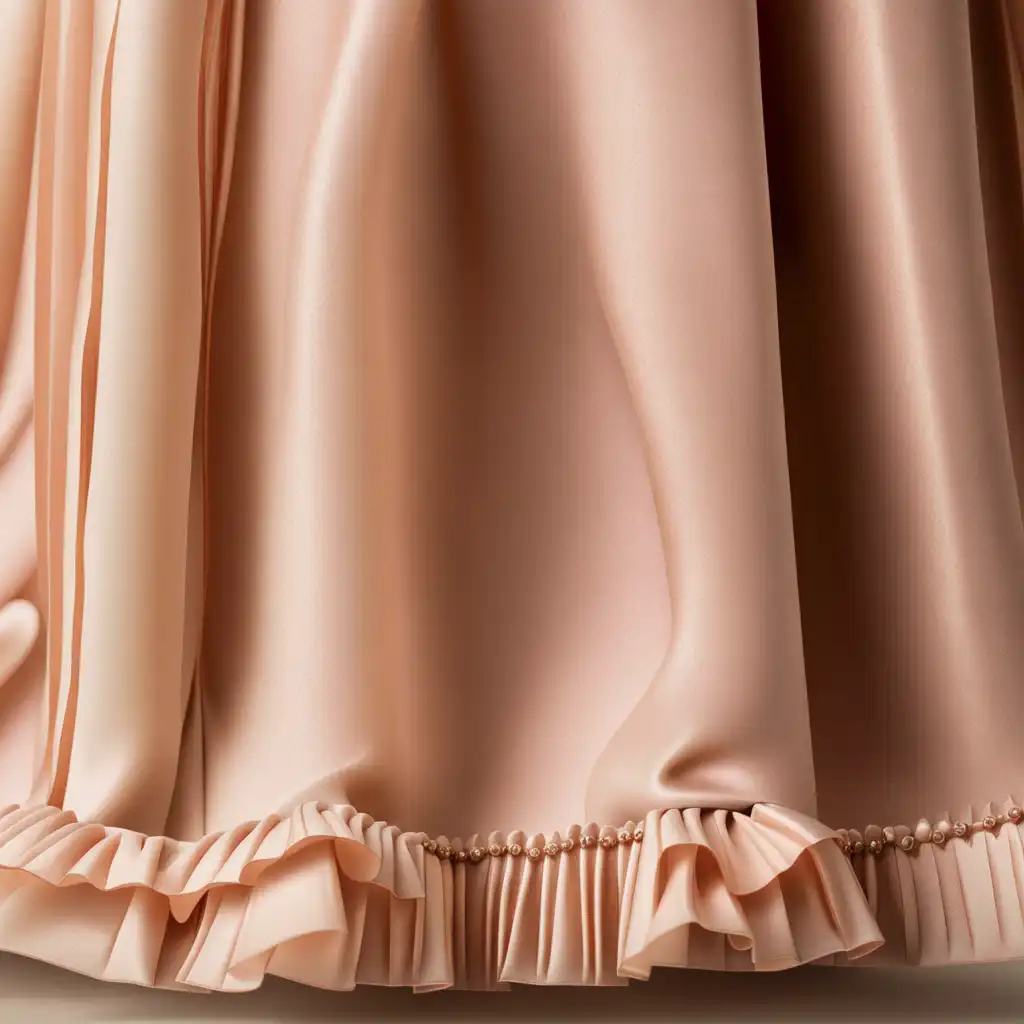
Fluting is a term used in music or architecture. In music, fluting refers to a technique used in playing a wind instrument that creates a vibrating sound. In architecture, fluting refers to a decorative design that involves creating ridges or grooves in a column, pillar or building facade. It is often used to add texture and visual interest to a building.
Carving is the process of cutting and shaping a material, such as wood or stone, to create a specific design or shape. This can be done with a tool such as a knife or chisel.
Fluting is a decorative technique that involves carving shallow concave grooves into a surface. This technique is often used in architecture, such as on columns or pillars, to add a decorative element to the design.
In summary, carving is the general process of cutting and shaping while fluting is a specific decorative technique.
Channel refers to a long, narrow groove or pathway, often used for directing water or other materials.
It can also refer to a platform for delivering information or entertainment, such as a TV channel or a YouTube channel.
Channel is applicable for directing materials or delivering content, while fluting is applicable for adding decorative texture to architectural elements.
Fluting and furrow are both terms used to describe similar types of grooves or channels. Fluting is typically used to refer to a series of decorative grooves or indents on an object, such as a column or vase.
Furrow is commonly used to describe a shallow groove or depression in a surface, such as a field or a forehead.
Essentially, fluting is more often associated with decoration or aesthetics, while furrow refers to a natural or functional channel or groove.
Fluting and rib both have similar meanings but are applied in different contexts.
Rib refers to a structural element that supports a load, often in a curved roof or vaulted ceiling. Ribs are typically arched or curved and provide strength and stability to the structure.
Fluting is a decorative element used in architecture for aesthetic purposes, while rib is a structural element used to support a load.
On the other hand, ruffles are a type of decorative trim that involves the gathering or pleating of fabric or other materials, often in a wavy or zigzag pattern.
Ruffles are typically used on clothing, curtains, and other soft furnishings to add texture and visual interest.
In essence, fluting is a decorative technique used to add visual interest to columns and other architectural elements, while ruffles are a type of decorative trim used to add texture to clothing and soft furnishings.