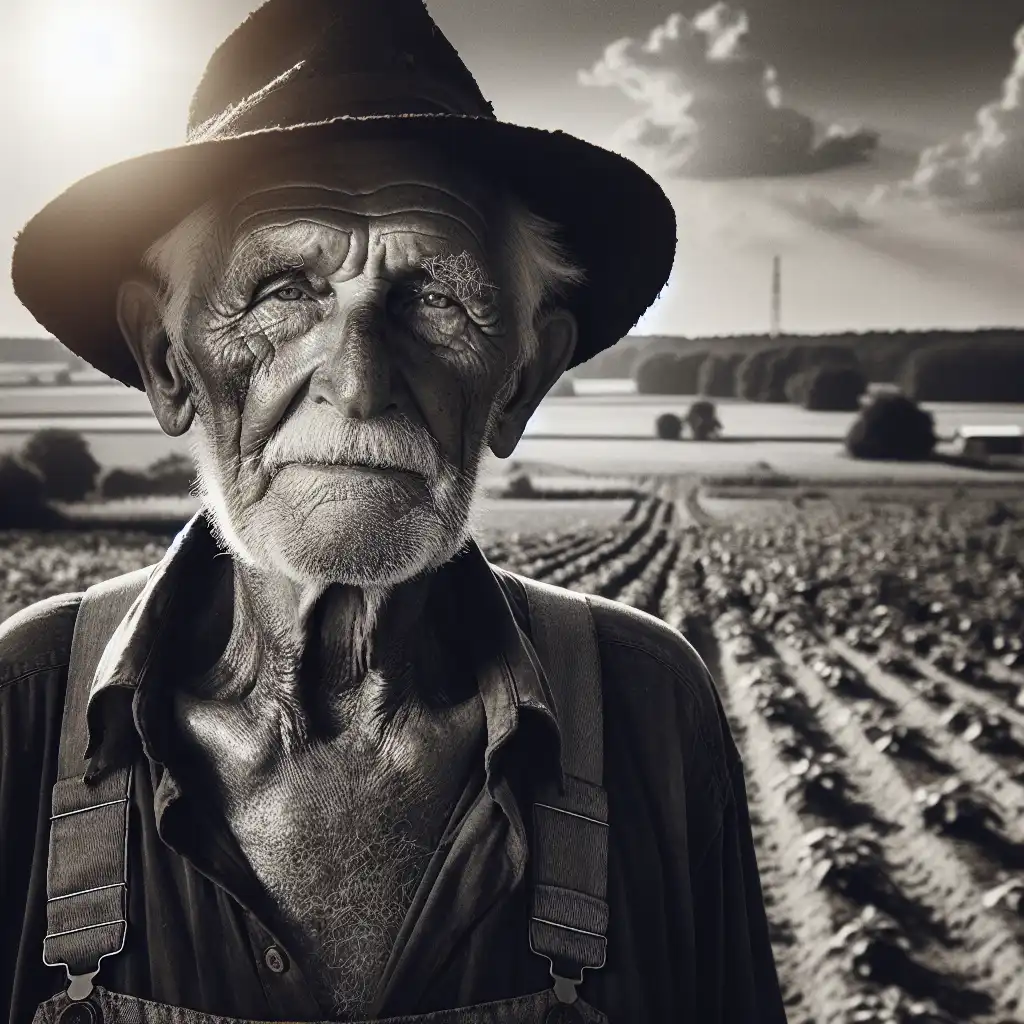
leathery
adjective leathery
ˈleðəri
Similar to the texture or appearance of leather
The old man had leathery skin from years of working in the sun.
leathery
ˈleðəri
Đang tải…
ˈleðəri
Similar to the texture or appearance of leather
The old man had leathery skin from years of working in the sun.

ˈleðəri
To be tough and flexible like leather
The old book had leathery pages.
Không tải được âm thanh. Vui lòng thử lại sau.
The word 'leathery' is commonly used to describe something that is tough and thick, like leather. It can be used to describe the texture of food (such as overcooked meat) or the skin of an animal or person (like a sunburnt person's skin). It is important to note that it is usually used in a negative context, meaning that something described as leathery is usually not desirable.
Callous refers to a lack of sensitivity or compassion towards others, while leathery refers to a tough and durable texture, often used to describe things like leather boots or a tough piece of meat.
Callous is more applicable to describe someone's personality or behavior, while leathery is more applicable to describe physical objects.
Mở từ: Callous →Firm refers to something that is solid, but still has a little bit of give if you press on it. Applicable examples of firm might be an apple or a mattress.
Firm implies a level of hardness or solidity, while leathery implies strength and flexibility.
Mở từ: Firm →Hard refers to something that is firm and difficult to bend or break. It is applicable to various items, such as rocks, metal, wood, and some foods, like apples or nuts.
Hard refers to something that is rigid and difficult to move, while leathery implies toughness and flexibility in texture.
Mở từ: Hard →Resilient describes something that is flexible and able to withstand difficult situations.
It is often used to describe people or things that are able to bounce back from adversity or difficult circumstances. For example, a resilient person might be able to recover quickly from a setback or failure.
A resilient material might be able to bend or stretch without breaking.
Leathery describes something that is tough and rigid, while resilient describes something that is flexible and able to bounce back from difficulty.
Mở từ: Resilient →Rough refers to something that is uneven or coarse to the touch. This can describe surfaces, such as a rough road, or even a person's skin if it has bumps or patches.
For example, a piece of sandpaper feels rough because of the abrasive surface.
Leathery describes something that is firm and tough like leather, while rough refers to something that is uneven or coarse to the touch.
Mở từ: Rough →Rugged refers to something that is rough or uneven.
So, while both words describe something that is tough or hardy, leathery typically refers to texture, while rugged refers to the physical structure or terrain of something.
Mở từ: Rugged →Stiff describes something that is not flexible and can be hard to bend or move. It is applicable when talking about things like a board or a piece of cardboard, or even muscles that are sore and difficult to move.
Mở từ: Stiff →Leathery refers to something with a texture similar to that of leather, meaning it is tough yet flexible.
This word is commonly used to describe certain foods such as beef jerky or a tough piece of steak.
Tough can have a few different meanings, but generally refers to something that is difficult to break or withstand.
Leathery describes a specific texture and is commonly used to describe certain foods, while tough has a broader range of application and can refer to materials or people that are difficult to break.
Mở từ: Tough →The Survival of the Sea...
Xem trên YouTube ↗If one's memories of Baghdad women were only of those to be seen in the streets, they would be of leathery, wrinkled faces, prematurely old, figures which have lost all shape, and henna-stained hands crinkled and deformed by toil.
Eating Bats %\PIPE% National...
Xem trên YouTube ↗Keith Bellows:...
Xem trên YouTube ↗