
snow
noun snow
snəʊ
Frozen water vapor that falls from the sky in small white pieces
It's snowing outside, we can make a snowman!
snow
snəʊ
Chargement…
snəʊ
Frozen water vapor that falls from the sky in small white pieces
It's snowing outside, we can make a snowman!

snəʊ
To deceive someone by talking a lot, usually to hide something
He tried to snow the police with a false alibi.

snəʊ
WHITE, A light shade of color close to white, like the color of snow
She has a beautiful snow white dress!
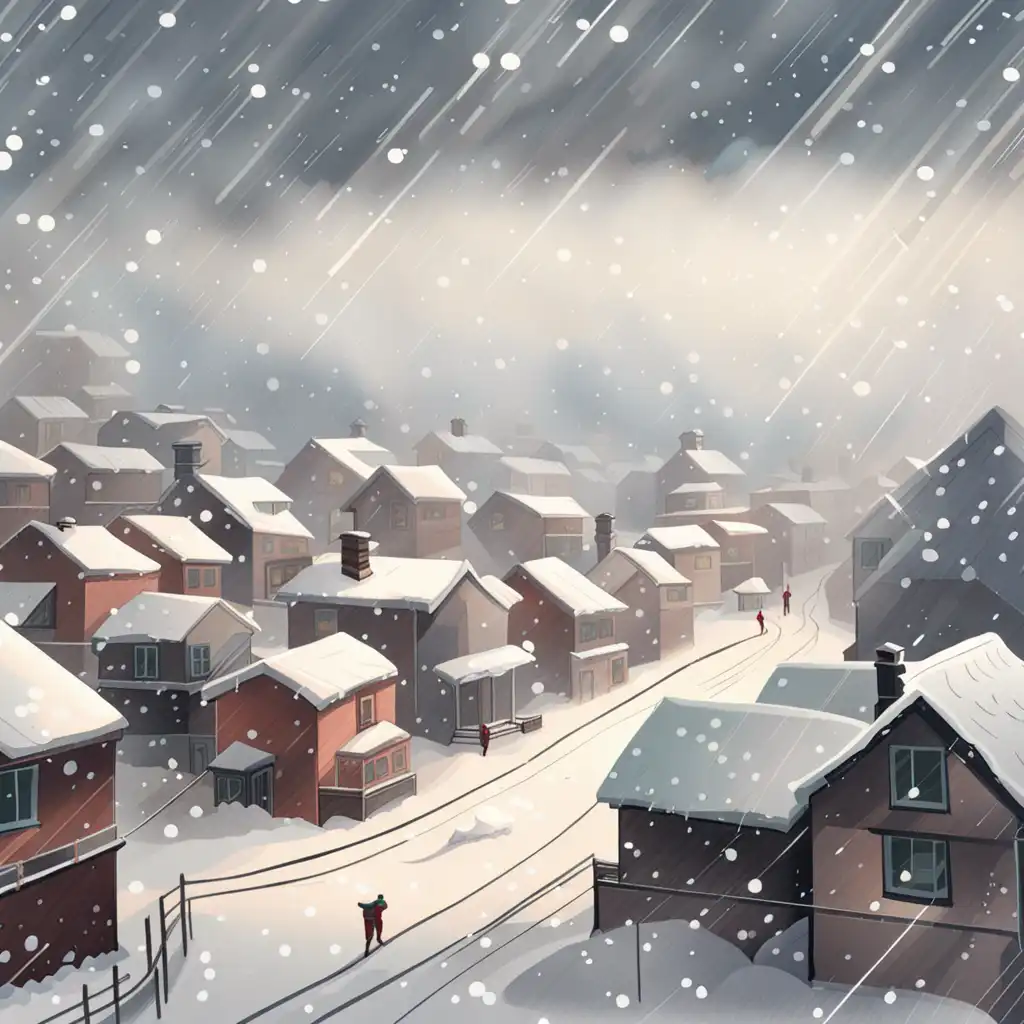
snəʊ
When it's snowing, or when snow falls from the sky
It is expected to snow heavily this weekend.
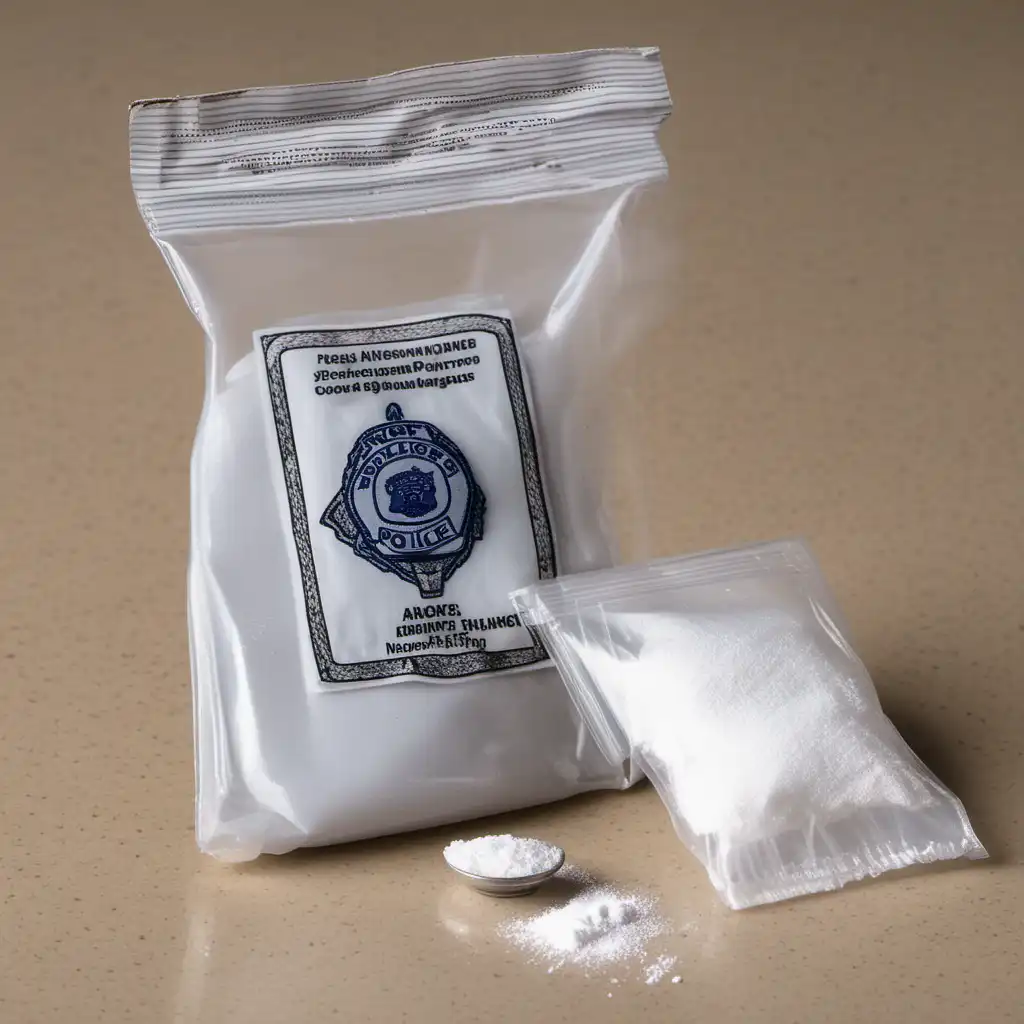
snəʊ
An illegal drug, another term for cocaine
The police found snow in his vehicle.
Impossible de charger l’audio. Réessayez plus tard.
Snow is a word used to describe frozen water falling from the sky. It is associated with winter and cold weather. You can use it when talking about weather conditions, such as "It's snowing outside." It can also be used to talk about activities that take place in the snow, such as skiing or building a snowman.
It can occur as light, fluffy snow or heavy, wet snow. Blizzard refers to a severe weather condition characterized by strong winds, low temperatures, and heavy snowfall.
A blizzard occurs when wind gusts are greater than 56 km/h and visibility is greatly reduced due to heavy falling or blowing snow.
Therefore, while snow can occur during any winter weather condition, a blizzard can only occur during a specific set of severe weather conditions, making it much more dangerous than just snow.
Ouvrir le mot: Blizzard →Drift refers to a pile of snow created by the wind. It happens when the wind blows snow into a heap or a mound. Drifts of snow can block roads or encircle houses.
Ouvrir le mot: Drift →Flurry refers to a brief or short-lived snowfall. It's used to describe a light snowfall that usually lasts for a short period of time (like an hour or so), and may or may not accumulate on the ground.
It can refer to anything from light flurries to heavy snowfalls that can last for several hours or even days. So, while flurry describes a specific type of snowfall, snow is a more general term that encompasses all types of frozen precipitation.
Ouvrir le mot: Flurry →Frost and snow are both related to cold weather conditions, but they have different characteristics and uses.
Frost is a thin layer of ice that forms on surfaces when the temperature drops below freezing point. It usually forms during calm, clear nights when the heat escapes from the earth's surface, causing the moisture in the air to freeze on the ground or on objects.
Frost is usually seen on car windows, grass, leaves or other surfaces in the morning.
Frost is a thin layer of ice that forms on surfaces due to cold temperatures, while snow is a type of precipitation that falls from the sky and accumulates on the ground.
Ouvrir le mot: Frost →Hail and snow are both types of precipitation that fall from the sky, but they are different in a few ways.
Hail is made up of small balls of ice that are formed when strong updrafts of wind in a thunderstorm push raindrops up into the cold upper atmosphere.
There, the raindrops freeze into ice and then fall back down to the ground. Hailstones can be as small as peas or as large as softballs, and they can cause damage to roofs, cars, and other structures.
Both hail and snow are mostly associated with weather events, but they do occur in different kinds of situations. Hail is more common in thunderstorms and other severe weather events.
Ouvrir le mot: Hail →Ice and snow are both forms of precipitation that are formed by atmospheric water vapor, but they have different characteristics and uses.
Ice is formed when water freezes into a solid state due to extreme cold temperatures or when water droplets freeze on a surface due to cold weather.
Ice is hard, transparent, and very slippery, and it can be dangerous to walk or drive on. Ice is commonly used for freezing or preserving food, keeping drinks cold, creating ice sculptures, and for recreational activities such as ice-skating and ice-hockey.
Snow is formed when water droplets in the atmosphere freeze and clump together to form snowflakes. When snow falls to the ground, it covers everything in a white blanket of ice crystals, varying in thickness and consistency.
Ice is a hard, transparent, and slippery solid, while snow is a soft, fluffy, and packable form of solid precipitation.
Ice is mainly used for preservation, recreation, and sculpture making, whereas snow is commonly used for outdoor activities and insulation.
Ouvrir le mot: Ice →Powder refers to snow that is light, fluffy and dry, which is good for activities like skiing and snowboarding.
Powder is a specific type of snow that is ideal for winter sports, while snow is a broader term that encompasses all types of frozen precipitation.
Ouvrir le mot: Powder →Sleet and snow are both types of precipitation, but they are different in their appearance and how they form.
Sleet is formed when snowflakes fall through a layer of warm air that melts them into raindrops. As the raindrops fall through a layer of freezing air again, they become tiny ice pellets before landing on the ground.
Sleet is much heavier than snow and can cause more damage to structures and vehicles.
Snow is more common in cold climates and sleet is more common in areas that experience freezing rain. Snow is more associated with winter weather while sleet can occur throughout the year.
Ouvrir le mot: Sleet →a symmetric snowflake can grow. Weather conditions affect snow on the ground as well. Warmer ground temperatures produce a wetter snow that is easier to pack because liquid water molecules help snowflakes stick to each other.
Voir sur YouTube ↗I don't know if you've ever tried to run through waist-deep snow, but it's next to impossible.
snow drifts will make the chase difficult the wolf's pads are particularly broad but in really deep snow the elk's long
Voir sur YouTube ↗My friend, I am going to tell you the story of my life, as you wish; and if it were only the story of my life I think I would not tell it; for what is one man that he should make much of his winters, even when they bend him like a heavy snow?
so help if we needed it was nowhere to be found. I was in the water taking pictures of surfers, and it started to snow. And then the temperature began to drop. And I told myself there's not a chance you're getting out of the water.
Voir sur YouTube ↗The Eskimos had fifty-two names for snow because it was important to them: there ought to be as many for love.
give their scent to that location they mark to tell other snow leopards this is my area not yours the next image is very important to me and it took five and a half months to get one picture but I loved this image with the mountains in
Voir sur YouTube ↗I remember wishing there was snow in L.A. And how jealous we used to get of those Christmas specials with kids playing in the snow.
patients place no world by wearing a virtual reality headset and using a joystick to navigate the frozen landscape exploring ice caves throwing snowballs at snowmen it sounds really simple but studies show that snow
Voir sur YouTube ↗But where are the snows of yester year?
the food the fox seeks is also deep beneath the snow
Voir sur YouTube ↗I love the snow! I actually cannot stand the beach.
a snow leopard the rarest of himalayan
Voir sur YouTube ↗I had an interest in Scandinavian countries because I'd never seen snow.
A snow leopard the rarest of Himalayan animals. It's a female returning to her lair.
Voir sur YouTube ↗We panic if there's two centimeters of snow in London.
during the winter the Buffalo will have to break trail running through the deep snow they tire more quickly than the wolves
Voir sur YouTube ↗Genius is an African who dreams up snow.
and form rain or snow. As that falls it wears down the landscape, dissolving rocks or breaking them down in a process known as weathering. Water moving downhill carries the weathered material and erodes the landscape, carving out deep valleys and jagged peaks.
Voir sur YouTube ↗I like snow, but I don't want to live in Siberia.