braise
verb braise
breɪz
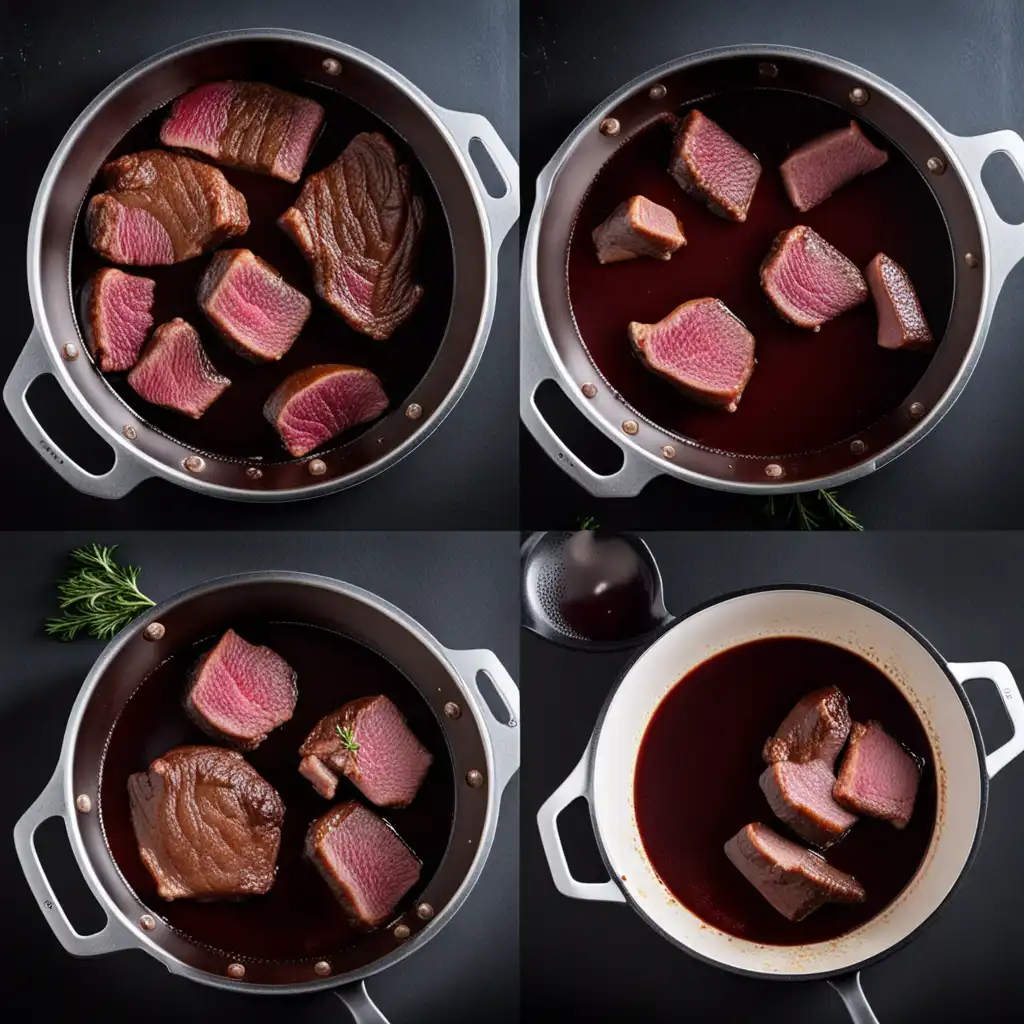
To cook food, especially meat, by lightly frying it in fat before stewing it in a covered pot with a little amount of liquid.
She decided to braise the beef in red wine for dinner.
braise
breɪz
読み込み中…
breɪz
To cook food, especially meat, by lightly frying it in fat before stewing it in a covered pot with a little amount of liquid.
She decided to braise the beef in red wine for dinner.
breɪz
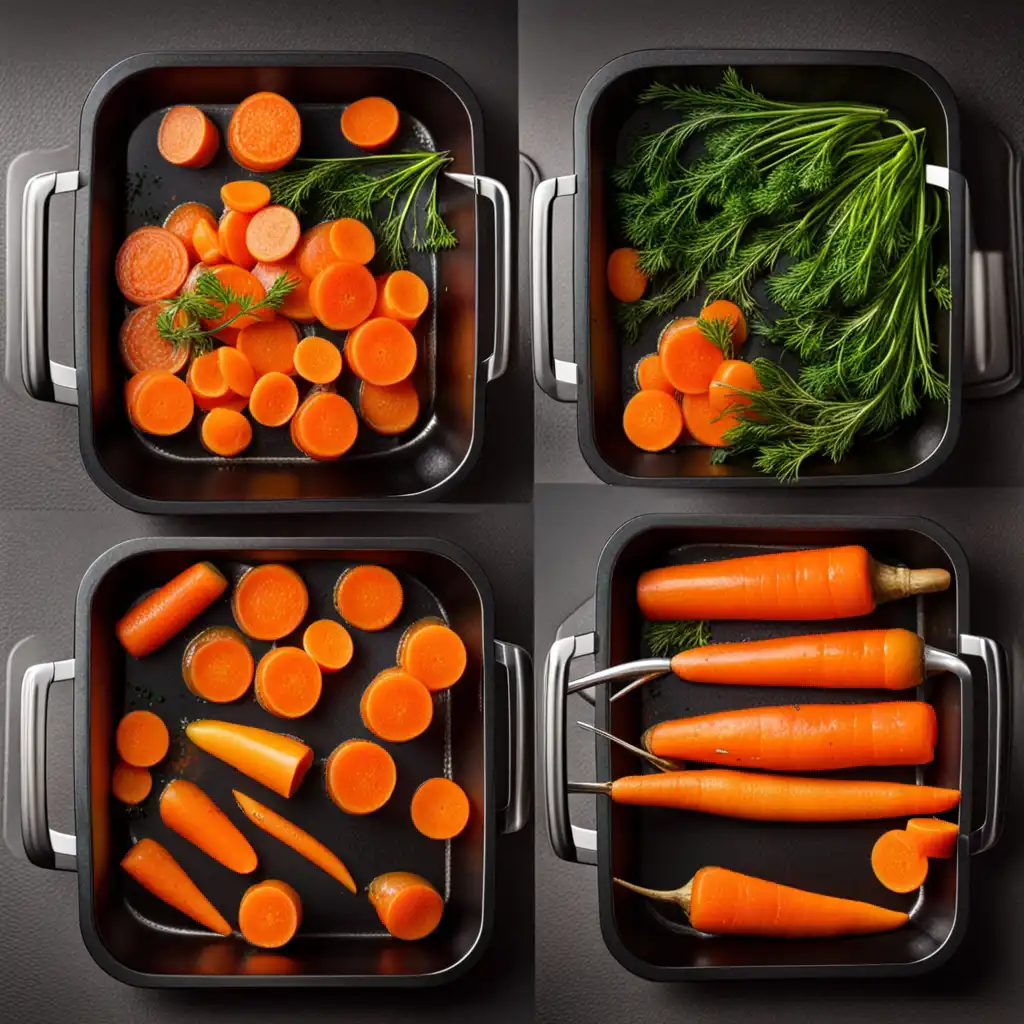
To prepare vegetables by similar method but with less liquid and shorter cooking time.
I'm going to braise the carrots with some butter and herbs.
音声を読み込めませんでした。しばらくしてからもう一度お試しください。
Braising is a cooking technique in which food, usually meat or vegetables, is first seared in hot oil, then slowly cooked in a small amount of liquid (such as stock or wine) in a covered pot over low heat for a long period of time until it is very tender and flavorful. This is typically done on the stove or in the oven. Braising can be used to prepare a variety of dishes, such as pot roast, stew, or braised vegetables.
Braising and casseroling are both cooking methods that involve cooking food slowly over low heat, with a lid on top of the container.
Casserole is a dish that is assembled in a baking dish or casserole dish and then baked in the oven until it is cooked through.
Casseroles often include a variety of ingredients, such as meat, vegetables, cheese, and pasta, and can be served as a main dish or a side dish.
Braising is often used for tougher cuts of meat, while casseroles can be made with a variety of ingredients.
単語を開く: Casserole →Braising and poaching are two cooking methods that involve cooking food in liquids, but there are some differences.
Poaching is a method of cooking food in liquid, typically water or broth, that has been heated to a low temperature. The food is cooked gently, without boiling, until it is tender and cooked through.
Poaching is often used for delicate proteins such as fish, eggs, or chicken breasts.
In summary, braising involves browning food and then cooking it slowly in liquid, while poaching involves cooking food gently in liquid at a low temperature.
Braising is typically used for tougher cuts of meat or vegetables, while poaching is often used for delicate proteins such as fish or eggs.
単語を開く: Poach →Both braise and simmer are cooking methods that involve cooking food in liquid at a low temperature for a long period of time.
- Simmering is a cooking method where food is placed in a pot or pan with liquid and heated to a temperature just below boiling point.
This allows the food to cook gently and slowly, while also retaining its texture and nutrients. Simmering is used for a variety of dishes, including soups, stews, sauces, and poached eggs.
In summary, braising is a method for cooking tougher cuts of meat that need to be cooked for a long time, while simmering is a gentle and slow cooking method that is used for a variety of dishes.
単語を開く: Simmer →Braising and stewing are both cooking methods that involve cooking food in liquid.
Stewing is a method of cooking where the food is cooked in a larger amount of liquid than braising. Stewing typically involves cutting the food into bite-sized pieces, then cooking it slowly in a pot with enough liquid to cover it for a long time.
Stewing is a low-heat cooking method where bite-sized pieces of meat and/or vegetables are submerged in a larger amount of liquid and cooked until fork-tender.
単語を開く: Stew →The Community of Food %\PIPE%...
YouTube で見る ↗My mom, ever the Italian, made braised chicken with tomato.
I think tripe is maligned. It's wonderful stuff, but everyone goes 'urgh.' You have to wash and then cook it, very gently braise it, for eight hours. It uplifts you but steadies you at the same time.
Never crowd a pan with too many mushrooms. They give off an enormous amount of moisture. And there's nothing worse than a braised mushroom, other than a lot of braised mushrooms.
Hmmm... cooking with wine? I usually drink wine while cooking... I do a good braised short ribs with cabernet, though. We're big red wine drinkers here. All that research showing that it's good for you takes the guilt away.
I grew up and fell out of love with hunting, though I still appreciate the meats I grew up eating: braised rabbit, pheasant jambalaya, snapping turtle soup, and venison backstrap with eggs.
I rest my proteins in their liquid when I am done with the heat braise.
We use many expressions of fennel: blended with potato, it's an earthy, rich puree; the raw fronds add a fresh, green note; and the braised version gives it a luscious, home-cooked feel, something people can connect to - you need that in any dish.
My favorite comfort food would have be braised beef. You know, beef, slow-cooked in a Dutch oven or in a slow cooker until it falls apart with simple mushrooms, some onions and lots of fresh thyme and garlic.
On Christmas Eve, we have a duck or roast pork with caramelised potatoes, braised red cabbage and gravy. For dessert, we have ris a l'amande, a rice pudding, and whoever gets the whole almond in it wins an extra present. Then we dance around the tree and sing carols.
If I am making a spice rub or a spice mix for a braise or even just to crust a piece of fish, I'll use mustard seeds. If you soak them in a little bit of vinegar and let them get plumped and soft and then you puree them, they're delicious.