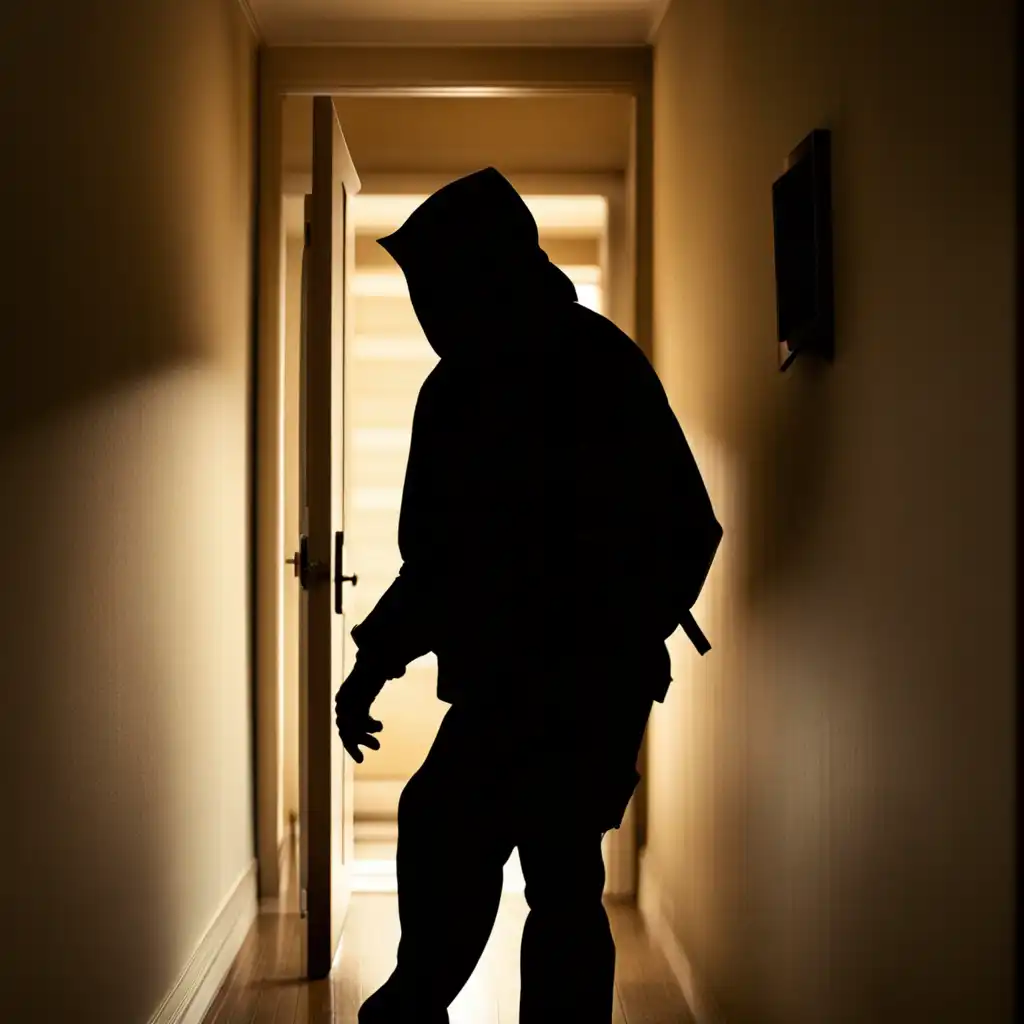
wrongdoer
noun wrongdoer
ˈrɔːŋduːər
A person who does something that is illegal or morally wrong
The police are searching for the wrongdoer who broke into the house
wrongdoer
ˈrɔːŋduːər
Cargando…
ˈrɔːŋduːər
A person who does something that is illegal or morally wrong
The police are searching for the wrongdoer who broke into the house
No se pudo cargar el audio. Inténtalo de nuevo más tarde.
The word 'wrongdoer' is used to describe someone who has done something that is not right or against the law. It can be used to refer to someone who has committed a crime or broken a rule. For example, if someone steals something, they can be called a wrongdoer because they did something wrong.
Both “culprit” and “wrongdoer” refer to a person who does something bad or illegal, but there are subtle differences between the two terms.
A “culprit” is often used in legal contexts and refers to a person who is suspected or accused of committing a crime. For example, if a bank is robbed and the police believe that a certain person did it, they might refer to that person as the “culprit.”.
A “culprit” is specifically someone who is accused of a crime, whereas a “wrongdoer” is more of a catch-all term for someone who acts inappropriately or immorally.
Abrir palabra: Culprit →Both delinquent and wrongdoer refer to someone who has done something wrong or illegal.
However, delinquent typically refers to a young person who has committed a minor offense, such as skipping school or shoplifting.
Wrongdoer can refer to anyone who has done something wrong, regardless of their age or the severity of the offense. Delinquent is usually applicable to minors who have committed minor offenses, while wrongdoer can be used for anyone who has done something wrong.
Abrir palabra: Delinquent →Lawbreaker and wrongdoer are both terms used to describe someone who breaks the law or behaves in an unethical or immoral manner.
Lawbreaker is a more formal and direct term that specifically refers to someone who violates the law. It carries a negative connotation and implies that the person intentionally and knowingly committed a crime.
Lawbreaker is a more precise term for someone who violated a specific law, while wrongdoing can encompass various ethical or moral violations, legal or not.
Abrir palabra: Lawbreaker →Malefactor is usually used to refer to someone who commits serious crimes, especially for someone who has been convicted in court.
So, in simple terms, the difference between the two words is that malefactor is a more specific and formal term used for serious crimes, while wrongdoer is a more general term used for any kind of wrongdoing.
Abrir palabra: Malefactor →Both miscreant and wrongdoer refer to someone who has done something wrong.
Miscreant is a stronger term that implies someone who has done something morally wrong or even evil.
It is often used to describe someone who has committed a serious crime or acted in a way that goes against society's norms. For example, a murderer could be called a miscreant.
In summary, both words describe someone who has done something wrong, but wrongdoer is a more general term while miscreant has a stronger connotation of immorality or evil.
Abrir palabra: Miscreant →Both offender and wrongdoer refer to someone who has committed a wrongdoing or a crime.
However, offender is a more formal or legal term whereas wrongdoer is a more general term used in everyday language.
Offender may be used in the context of law enforcement, courts, and legal proceedings. For example, a person who violates a law or breaks a rule can be referred to as an offender.
Overall, both words refer to someone who has done something wrong, but offender is more specific to legal contexts while wrongdoer is a broader term used in everyday language.
Abrir palabra: Offender →Both transgressor and wrongdoer mean a person who has done something wrong or committed a crime.
However, transgressor refers to someone who has broken a specific law or rule, while wrongdoer is a more general term that could refer to any type of immoral or unlawful behavior.
For example, a person who has been caught stealing would be considered a transgressor of theft laws, whereas a person who lies or cheats would be called a wrongdoer.
Abrir palabra: Transgressor →Villain refers to a person who intentionally does bad things or causes harm to others. This term is usually applied to fictional characters in movies, books or TV shows, such as the Joker from Batman or Voldemort from Harry Potter.
A villain is a specific type of wrongdoer who intentionally causes harm, while a wrongdoer is a broader term that can refer to anyone who has committed a wrongdoing.
Abrir palabra: Villain →Samantha Power: Shaking...
Ver en YouTube ↗The pacifist is as surely a traitor to his country and to humanity as is the most brutal wrongdoer.
What is the point of the police if wrongdoers aren't afraid of them?
Most of us need time to work through pain and loss. We can find all manner of reasons for postponing forgiveness. One of these reasons is waiting for the wrongdoers to repent before we forgive them. Yet such a delay causes us to forfeit the peace and happiness that could be ours.
At D.O.J., we don't want to go after the corporate wrongdoers simply as an end unto itself; we want to decrease the amount of corporate wrongdoing that happens in the first place. We want to restore and help protect the corporate culture of responsibility.
Police officers must act quickly to seize wrongdoers and obtain evidence while protecting themselves and bystanders. It is easy to second-guess their search-and-seizure decisions in a secure courtroom.
In the final forms of moral disengagement, wrongdoers treat adversaries as subhuman animalistic, demonic beings. Expunging any sense of shared humanity eliminates moral restraints.
A mob pelting pilloried wrongdoers with rotten vegetables would seem to have little in common with one doing the same with 140-character invective, except of course the most important thing: the belief that they are in the right, and are even doing good by making the object of their contempt feel really, really bad.
The wrongdoer is more unfortunate than the man wronged.
It is good to forget one's anger against one's wrongdoer, whoever he may be, for countless number of evils will quickly grow from this anger.
We must continue working to build trust between communities and law enforcement. We must continue working to guarantee every person in this country equal justice under the law. And we must take a hard look at the ease with which wrongdoers can get their hands on deadly weapons and the frequency with which they use them.