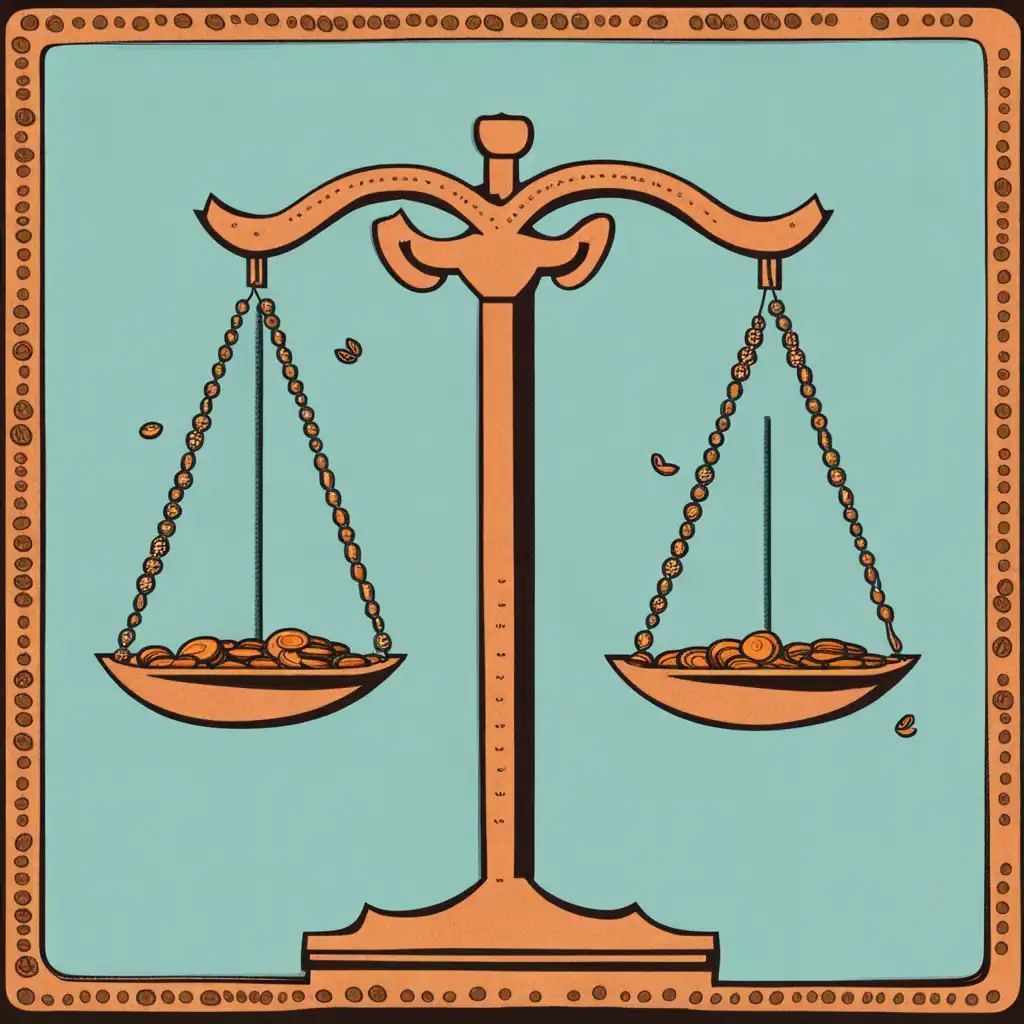
inequality
noun inequality
ˌɪnɪˈkwɑːləti
A situation where things are not equal, or someone is not treated fair
There is a wide inequality of wealth distribution in the country.
inequality
ˌɪnɪˈkwɑːləti
Loading…
ˌɪnɪˈkwɑːləti
A situation where things are not equal, or someone is not treated fair
There is a wide inequality of wealth distribution in the country.

ˌɪnɪˈkwɑːləti
The difference in size, degree, circumstances, etc. between things or groups that should be the same
Solving the inequality requires factoring polynomials.
ˌɪnɪˈkwɑːləti
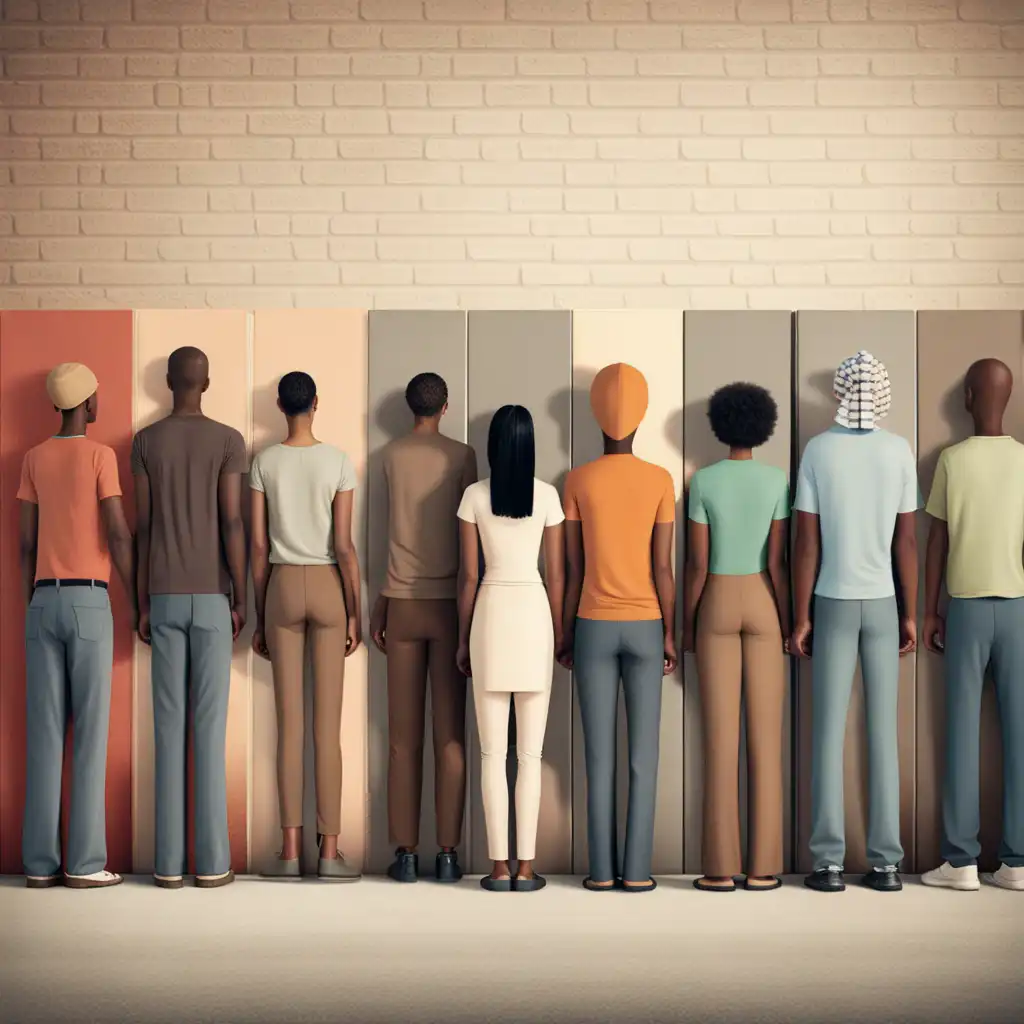
Inadequate or unequal treatment of people or groups because of their race, religion, gender, or other characteristics
He was clear in mentioning racial inequality in his speech.
Audio could not be loaded. Please try again later.
Inequality means the state of being unequal or not fair. It is used when there is a difference in treatment or opportunities between groups of people. For example, if men and women are not paid the same amount of money for doing the same job, then there is an inequality. The word can be used to talk about many different types of differences, such as differences in wealth, education, or access to basic needs like food and shelter. In general, inequality is something that people try to fight against, because it is not fair or just.
Bias refers to an unfair preference or prejudice towards a particular person or group based on their characteristics such as religion, race, gender, or sexuality.
Bias is applicable in situations where people are treated unfairly because of their identity, while inequality is applicable in situations where people have unequal access to resources and opportunities.
For example, bias could be seen in instances of discrimination in the workplace based on someone's race or gender, while inequality could be seen in the fact that people in certain neighborhoods may not have access to the same quality of education, healthcare, or job opportunities as those in wealthier neighborhoods.
Open word: Bias →Consistency refers to something being uniform or unchanging. It refers to a state where things are the same or similar all the time, for example, consistency in behaviour means that someone behaves the same way every time they encounter a particular situation or challenge.
Both words are applicable in various contexts, for example, consistency is important in sports, where players need to perform consistently to win, while inequality is important in social justice, where it is necessary to address inequality to promote equality and fairness for all.
Open word: Consistency →Discrimination means treating someone unfairly or differently based on their race, gender, age, religion, or other characteristics.
Discrimination is a behavior that violates someone's rights and dignity.
Discrimination is a result of inequality. When there is inequality, some groups may have fewer opportunities, resources, and rights than others.
Discrimination is the unfair treatment of these disadvantaged groups.
For example, gender inequality may result in women having fewer job and education opportunities than men. This can then lead to discrimination against women based on their gender, such as being paid less for doing the same job as a man.
Inequality refers to the unequal distribution of resources, while discrimination means treating some people unfairly based on their differences.
Open word: Discriminate →Disparity refers to a difference that exists between two or more things, such as a difference in age, income, or education level.
So, for example, there may be a disparity in the amount of money earned by people in different professions, but it may not be due to inequality.
Open word: Disparity →Disproportion refers to the lack of balance or suitable relative sizes between two or more things. For instance, if there is an extreme difference between the quantity or size of two things without a reasonable explanation, it can be described as a disproportional relationship.
In essence, disproportion is concerned with the relationship between two or more things and their relative sizes, while inequality is concerned with fairness and justice for individuals or groups who may be marginalized or disadvantaged.
Open word: Disproportion →Imbalance refers to a lack of balance or fairness between two things or groups. It suggests that something is not equal, but doesn't necessarily imply an intentional bias, just a lack of equilibrium.
An example might be a lopsided distribution of wealth, where a small percentage of people hold most of the resources, leading to an imbalance in economic power.
Imbalance is a result of natural differences or factors beyond control, while inequality results from deliberate actions of discrimination or prejudice.
Open word: Imbalance →Injustice refers to a situation where unfairness or wrongdoing occurs. It typically involves a violation of rights or freedoms, and can arise from things like discrimination, prejudice, or corruption.
Both inequality and injustice are important concepts in terms of promoting fairness and ensuring that people are treated equally.
However, they are not the same thing, and each is applicable in different situations. Inequality focuses on outcomes and distributions, while injustice focuses on individual experiences of unfairness or wrongdoing.
Open word: Injustice →Partiality refers to a situation where someone shows a preference or bias towards someone or something over other options.
For example, if a teacher always gives better grades to students who participate in class, they may be showing partiality towards those who speak up in discussion.
Partiality is typically used in situations involving specific individuals or small groups of people.
Inequality refers to a lack of fairness or balance on a larger scale, while partiality refers to an individual or group showing a preference or bias towards something or someone over other options.
Open word: Partiality →How equal do we want the...
Watch on YouTube ↗As long as poverty, injustice and gross inequality persist in our world, none of us can truly rest.
Notes of a native son:...
Watch on YouTube ↗There is always inequality in life. Some men are killed in a war and some men are wounded and some men never leave the country. Life is unfair.
Lockdown Around the...
Watch on YouTube ↗It's incredibly important to understand history... when it comes to inequality.
Finding the courage to...
Watch on YouTube ↗The importance of tackling inequality in Africa cannot be overstated.
Paul Tudor Jones II: Why...
Watch on YouTube ↗Inequality is as dear to the American heart as liberty itself.
The dirty secret of...
Watch on YouTube ↗An important priority for me is a business must get their own house in order. Be or become an agent of positive change in your own enterprise and adopt responsible practices to eliminate the risks that often lie at the root of inequality and poverty.
A kinder gentler...
Watch on YouTube ↗It is a wise man who said that there is no greater inequality than the equal treatment of unequals.
Mike O'Sullivan: The end...
Watch on YouTube ↗When I got to be a CEO, I said: 'Right. I'm now going to tackle gender inequality head-on. I'm going to make a difference and lead by example and actively put in place policies and practices to support women.
The tyranny of merit %\PIPE%...
Watch on YouTube ↗The days of humiliation, of second-class citizens and of inequality are over and gone forever.
Chrystia Freeland: The...
Watch on YouTube ↗Expanding access to decent work opportunities is the most effective way to increase labor-market participation, lift people out of poverty, reduce inequality, and drive economic growth. It should be at the center of policymaking. The alternative is a dog-eat-dog world in which too many will feel left out.