
splutter
verb splutter
ˈsplʌtər
to talk quickly and in a confusing way, often due to surprise or shock
He was so surprised that he could only splutter in response.
splutter
ˈsplʌtər
불러오는 중…
ˈsplʌtər
to talk quickly and in a confusing way, often due to surprise or shock
He was so surprised that he could only splutter in response.
ˈsplʌtər
to make a series of soft explosive sounds
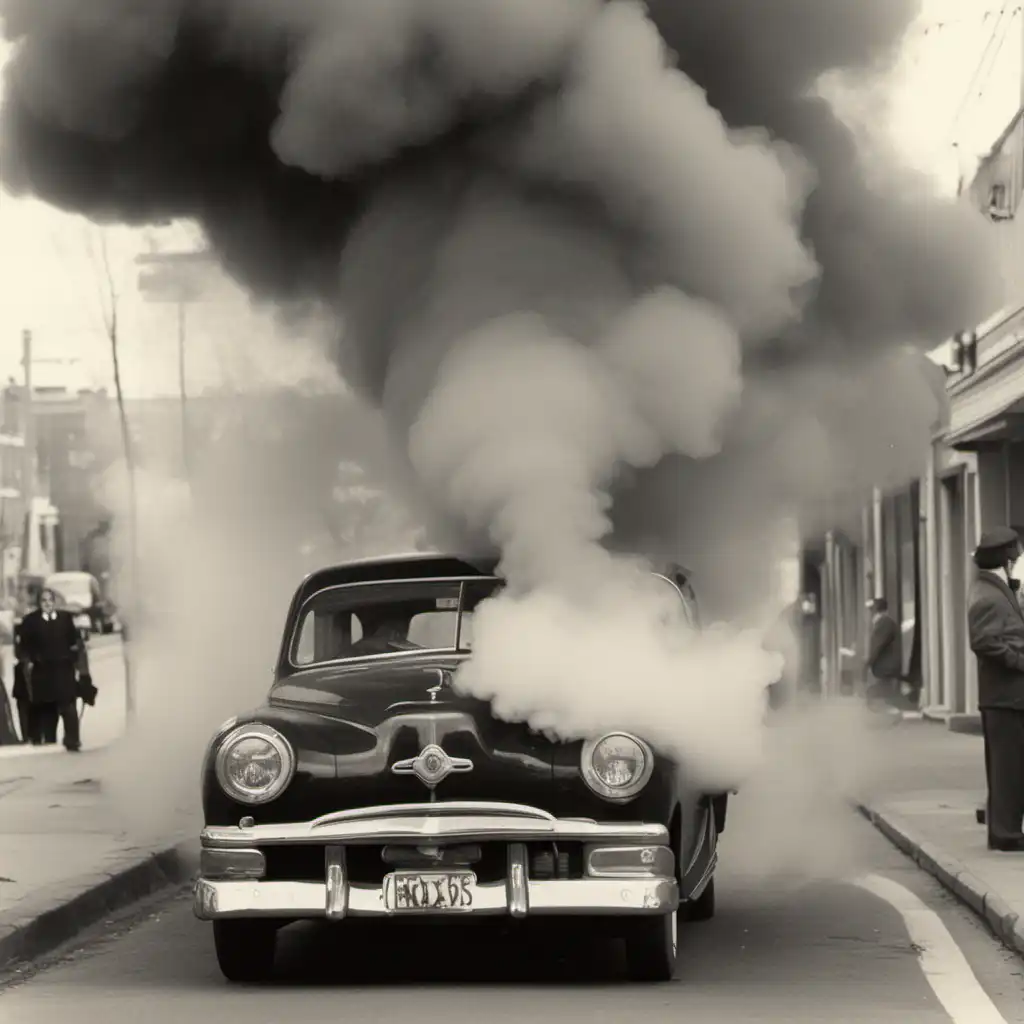
The old car spluttered and died.
오디오를 불러오지 못했어요. 잠시 후 다시 시도해 주세요.
'Splutter' is a verb that means to make a series of short, spitting or choking sounds while trying to speak or breathe. It's often used to describe someone who is having difficulty talking because they are angry, surprised, or because they have something in their throat. You can also use 'splutter' to describe a mechanical or electronic device that is starting up, running erratically or failing to work properly. So, for example, you might say "he spluttered with rage" or "the old engine spluttered and coughed as it struggled to start".
Choke means to have difficulty breathing because something is blocking your airway.
For example, "I choked on a piece of food," or "The team choked under pressure."
Choke relates to difficulty breathing or suppression, while splutter relates to hasty and confused speech or small bursts of liquid.
단어 열기: Choke →Coughing is when you expel air from your lungs in a sudden, noisy and often violent way due to an irritant or infection in your throat or lungs.
People usually cough to clear their airways.
Coughing is more commonly associated with respiratory illnesses such as colds, flu and bronchitis, while spluttering is more likely to happen when someone chokes on food or drink.
Overall, coughing is a natural bodily response to clear the airways, while spluttering is an involuntary reaction that happens when something unexpected happens in the mouth, usually with food or drink.
단어 열기: Cough →Gasp is used when someone takes in a sudden deep breath of air through their mouth, usually because they are surprised, scared or struggling to breathe.
For example, when someone suddenly jumps out in front of you, you may gasp in surprise.
Gasp is used when someone suddenly takes in a deep breath, while splutter is used when someone makes a series of quick and noisy sounds while speaking.
단어 열기: Gasp →Hiss and splutter are two different words with different meanings.
Hiss refers to a sharp, high-pitched sound that is made when air or steam escapes through a small opening. This could be the sound a snake makes, or the sound of air being let out of a tire.
It can also describe the sound of disapproval or anger, like when someone hisses through their teeth.
Hiss describes a sharp, high-pitched sound, while splutter describes a series of short, explosive sounds.
단어 열기: Hiss →Spit refers to forcefully expelling saliva or other liquids from one's mouth. For example, if someone is chewing gum and suddenly spits it out, that would be considered "spitting".
Splutter refers to a kind of stammering or stuttering speech, often accompanied by spitting out small droplets of saliva.
Spit is used when someone is forcefully expelling liquid from their mouth, while splutter describes someone who is having trouble speaking clearly and is spitting out small droplets of saliva while they talk.
단어 열기: Spit →However, splutter usually refers to a more forceful and explosive sound or action. It's like saying "spluttering with anger" or "spluttering water from your mouth." Sputter usually refers to a quieter or more intermittent sound or action.
It's like saying "the engine sputtered and died" or "the candle flame sputtered in the wind." Both words can be applied to a variety of situations, but understanding their subtle differences can help you choose the most appropriate word to use.
단어 열기: Sputter →It is often used to describe the sound made by a car engine that is struggling to start. Stutter, on the other hand, refers to an interruption in speech that is caused by a difficulty in coordinating the movements of the mouth and tongue.
Stuttering can make it difficult for people to communicate effectively. Each of these words is applicable in different situations.
Splutter might be used to describe someone who is coughing or trying to start a stubborn lawnmower, while stutter might be used to describe someone who is having trouble getting words out when they speak.
단어 열기: Stutter →It can also refer to the sound of something being cooked too quickly in hot oil. Wheeze refers to a high-pitched, whistling sound that is made when someone is having difficulty breathing, often due to asthma or other respiratory issues.
Splutter is applicable when someone is having difficulty with their speech or when something is being cooked, while wheeze is applicable when someone is having difficulty breathing.
단어 열기: Wheeze →