
economize
verb economize
ɪˈkɑːnəmaɪz
To use money, resources or time carefully and not wastefully
To save for a vacation, we will need to economize on our monthly expenses.
economize
ɪˈkɑːnəmaɪz
लोड हो रहा है…
ɪˈkɑːnəmaɪz
To use money, resources or time carefully and not wastefully
To save for a vacation, we will need to economize on our monthly expenses.
ɪˈkɑːnəmaɪz
To make something more cost-effective or less wasteful
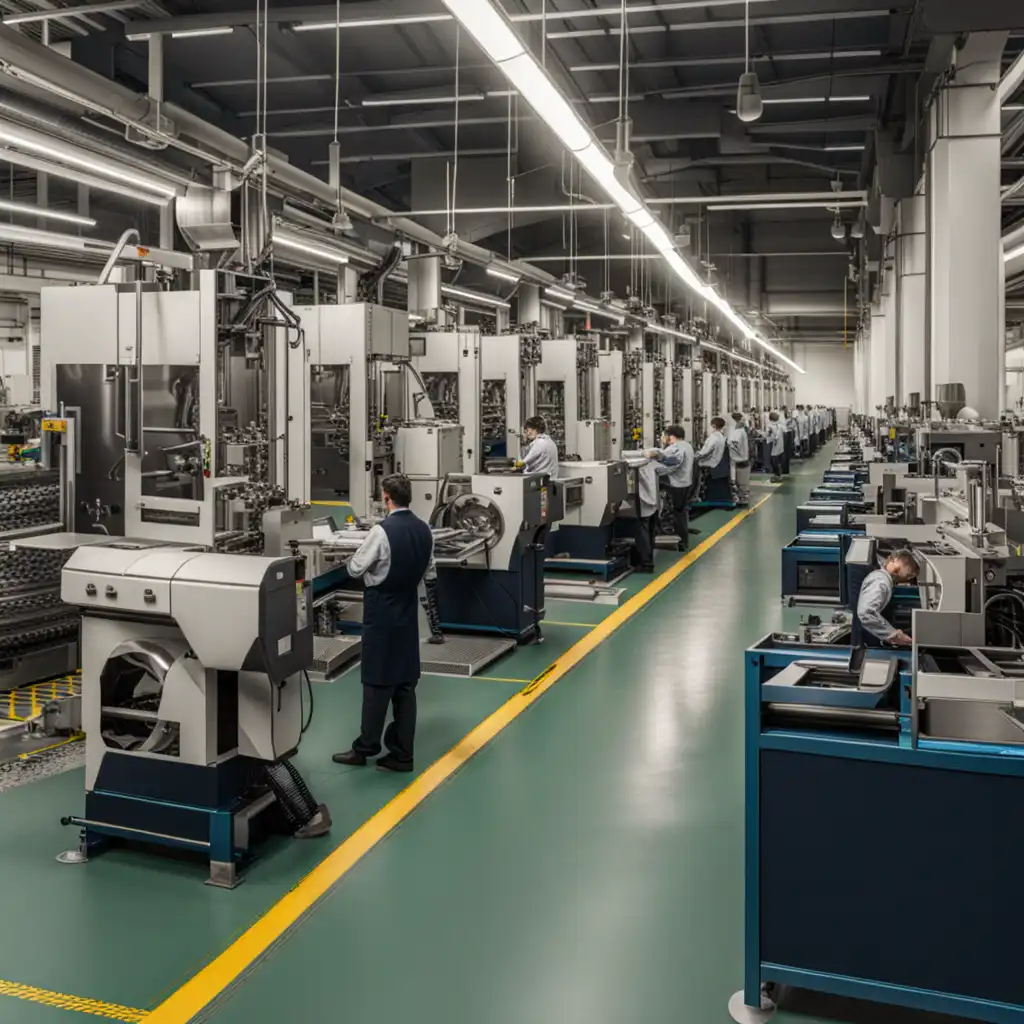
The company is looking for ways to economize the production process.
ऑडियो लोड नहीं हो सका। कृपया बाद में फिर कोशिश करें।
The word 'economize' is used to refer to the act of reducing expenses or using resources in a more efficient manner in order to save money. For example, if you are trying to cut down on your household expenses, you can economize by turning off lights in rooms that are not being used, or by buying groceries in bulk to save money. In a business context, companies may try to economize by reducing employee salaries or cutting back on unnecessary expenses in order to improve their profit margins. Essentially, the word 'economize' is used to describe the act of being more careful and strategic in how you use your resources in order to save money or maximize your benefits.
Budget means to plan and allocate money for different expenses, with the aim of making sure you have enough money to cover everything you need to pay for.
Budgeting is appropriate when you have a specific amount of money to work with, and you need to make sure it lasts for a certain period of time.
For example, if you get paid every month, you might create a budget to make sure you can pay all your bills and still have enough money left over for other expenses.
Overall, budgeting is about managing your money effectively, while economizing is about reducing your expenses in order to save money.
शब्द खोलें: Budget →Conserve means to keep something from being used up or destroyed. For example, conservation efforts to save forests or animals.
Conserve is about protecting and preserving resources, while economize is about using resources efficiently to save money and reduce waste.
शब्द खोलें: Conserve →Cut back means to reduce or decrease the amount of something that you have or use, while economize means to use resources (like money or time) in a careful and efficient way so that you don't waste them unnecessarily.
Cutting back is applicable when you need to make immediate reductions or alterations to a certain activity or behavior.
For example, you might cut back on how much junk food you eat or how many hours you spend playing video games each day.
शब्द खोलें: Cut back →Pinch pennies means to save money by being incredibly frugal and cutting expenses as much as possible. This could involve things like buying generic products, using coupons, or going without certain luxuries.
Both terms are applicable when we want to save money, but economize is a broader term that suggests a more balanced and sustainable approach to money management, while pinch pennies implies a more extreme way of saving and is often used as a short-term solution in a difficult financial situation.
शब्द खोलें: Pinch pennies →For example, a company might economize by reducing their production costs while maintaining the same level of product quality.
Reduce means to make something smaller or less in quantity, size or intensity. It is applicable when you want to decrease the amount of something without necessarily maintaining the same level of output.
For example, a company might reduce their production levels to avoid wastage or reduce their expenses.
शब्द खोलें: Reduce →Economize means to use resources wisely and efficiently while the word save means to put aside or to keep something for future use.
Economizing is applicable when you want to reduce expenses and make the best use of resources available to you. Saving is applicable when you want to accumulate money or something valuable for future use.
You could save by putting money into a savings account or saving up to buy something you want.
शब्द खोलें: Save →Scrimp means to cut back on expenses beyond what is reasonable or necessary. It implies trying to save money by being excessively thrifty or even by neglecting basic needs.
Economize is about managing money in a smart and practical way, while scrimp is about making excessive sacrifices to save money, which can have negative consequences.
In general, it is better to economize than to scrimp.
शब्द खोलें: Scrimp →Spare means to save something from being used or consumed, often for future use. This term can be used in situations where you are trying to keep something for future use, such as saving food for later or keeping a tool in good condition so it will last longer.
Economize focuses on using less to save money, while spare focuses on setting things aside for future use.
शब्द खोलें: Spare →Thrift means the practice of being economical with resources, including money. It emphasizes the importance of saving money and being frugal in daily life.
Economize focuses on efficiency and being smart with your resources, while thrift emphasizes the importance of saving money and being frugal in daily life.
शब्द खोलें: Thrift →Philip Evans: How data...
YouTube पर देखें ↗Truth is the most valuable thing we have. Let us economize it.
National Geographic...
YouTube पर देखें ↗While restoring a sense of fiscal discipline to Congress is a top priority, infrastructure spending is an important and necessary task of government. Our nation's long-term debt requires us to prioritize and economize with every tax dollar.
The school is the last expenditure upon which America should be willing to economize.
Space exploration has taken a tremendous technological leap. India as a developing nation has been recognized globally for how it has economized its missions, which have been comparatively low-cost compared with other countries.
My parents were in short street, so they had to go abroad to economize.
The more business one has, the more you are able to accomplish, for you learn to economize your time.
Whenever the work is itself light, it becomes necessary, in order to economize time, to increase the velocity.
Historical costumes from the 18th and 19th centuries look so complicated, but when you see the patterns, it's very systematic. I've always been impressed by how the patterns economize the fabric.
The very name of my subject, economics, suggests economizing or maximizing. But Political Economy has gone a long way beyond home economics.
Economize in other things if you must, wear threadbare clothes if necessary, but never cheat your body or brain by the quality and quantity of your food. Poor, cheap food which produces low vitality and inferior brain force is the worst kind of economy.