
verdure
noun verdure
ˈvɜːrdʒər
The greenness of plants or trees, especially seen as beautiful or fresh
I love taking walks in the park and admiring the verdure.
verdure
ˈvɜːrdʒər
Loading…
ˈvɜːrdʒər
The greenness of plants or trees, especially seen as beautiful or fresh
I love taking walks in the park and admiring the verdure.
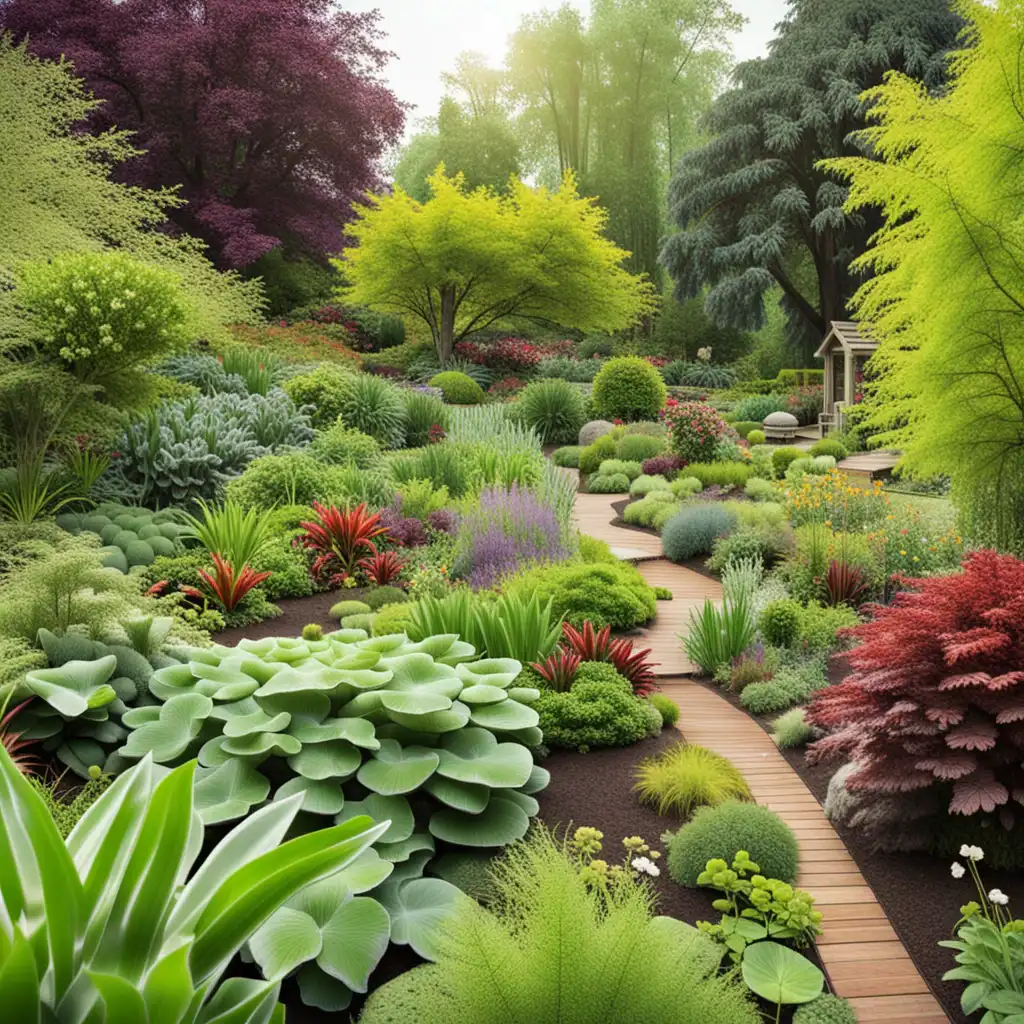
ˈvɜːrdʒər
The condition of being green, healthy and growing in a good way
Despite the tough winter, our garden is in full verdure.

ˈvɜːrdʒər
A piece of art or literature that describes the fresh, green qualities of nature
His paintings are full of verdure and bring the countryside to life.
Audio could not be loaded. Please try again later.
Verdure is a fancy word for vegetation, plants or greenery. You may use this word when you want to describe a place that is full of green plants, like a forest or a garden. For example, "The verdure in the park is breathtaking in the springtime."
Crop refers to a plant that is grown or harvested for food or economic purposes, such as wheat, corn or soybeans.
Crop is specific to agriculture and refers to plants grown for economic purposes, while verdure is a broader term that refers to the greenery or vegetation in a landscape.
Open word: Crop →Flora refers to the various plant species found in a particular habitat or region.
It can describe the plant life in a specific area. For example, the flora in the Amazon rainforest is very diverse.
Flora is about the type and variety of plants in an area, while verdure is about the abundance and lushness of the plants.
Open word: Flora →Foliage refers to leaves on trees and plants, while verdure refers to greenery in general, including leaves, grass, and vegetation.
Foliage is typically used when referring specifically to the leaves on trees and plants, such as "the foliage on the trees turned orange in the fall."
Foliage is more specific and limited in its application, while verdure is more general and can refer to a wider variety of greenery.
Open word: Foliage →Greenery refers to any kind of green plants or foliage, like grass, shrubs, or trees. It is a more general term for all things green.
Greenery is a broader term that can refer to any kind of green foliage.
Open word: Greenery →Herb refers to a plant that is used for flavoring or for medicinal purposes.
So, while herb is specific to certain types of plants and their uses, verdure is a broader term that can refer to any type of green vegetation.
For example, you might say "the verdure in the forest was breathtaking" to describe the lush green canopy of trees, while you might say "I am adding some herbs to my soup" to talk about adding flavorful plants like basil or thyme.
Open word: Herb →Shrubbery refers to a collection of shrubs or bushes in a garden or landscape.
Shrubbery is specific to a grouping of shrubs, while verdure is more general and refers to the overall greenery of a landscape.
Open word: Shrubbery →Undergrowth refers to the low-lying vegetation or shrubs growing in a forest, jungle or any area that is not frequently disturbed by humans.
Undergrowth refers to the dense growth of low-lying plants, whereas verdure refers to the overall green cover of a landscape.
Open word: Undergrowth →Both words refer to plants and greenery, but vegetation typically describes a large area or region with many different types of plants, while verdure refers to the lushness and general health of a specific area or individual plant.
For example, a farmer might refer to the vegetation on their land, while a nature lover might comment on the verdure of a single tree or field.
Open word: Vegetation →To sit in the shade on a fine day and look upon verdure is the most perfect refreshment.