
oleaginous
adjective oleaginous
ˌəʊliˈædʒɪnəs
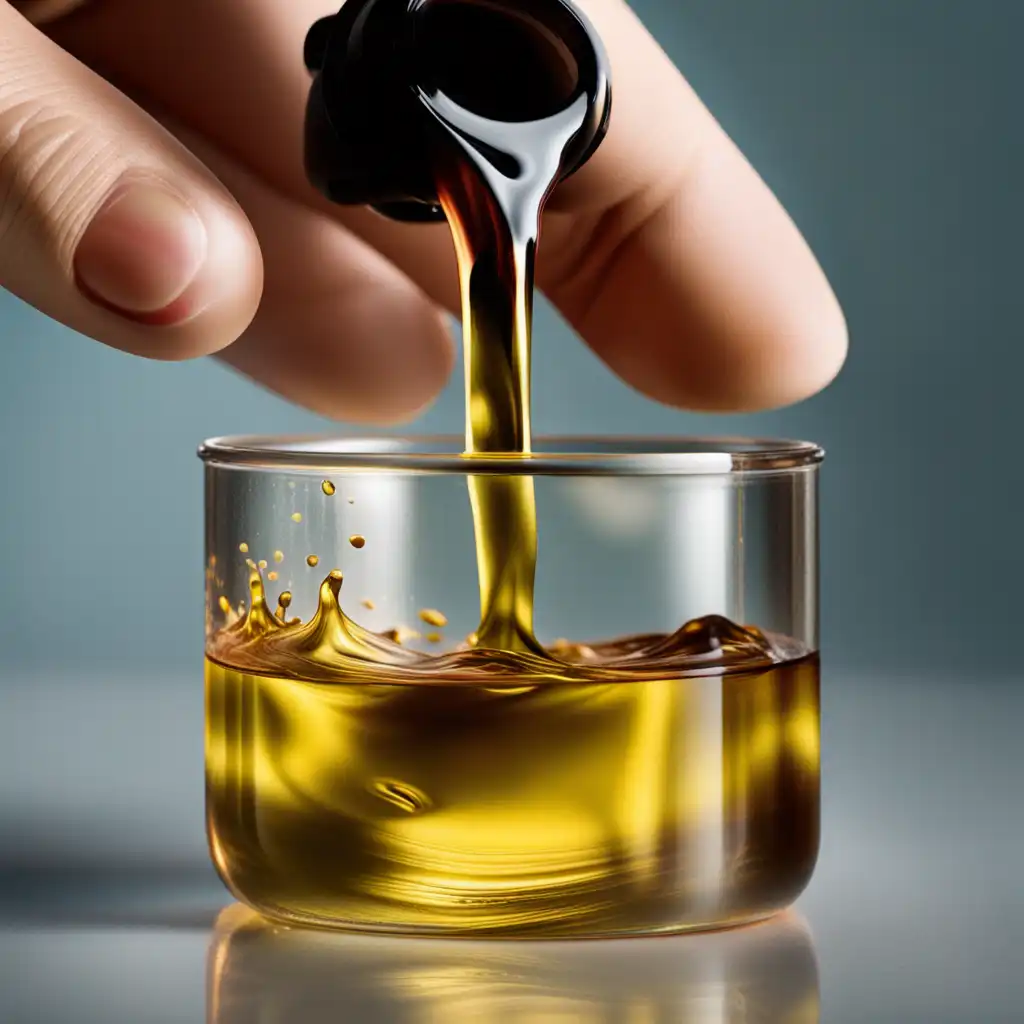
Having the nature or qualities of oil.
The olives produced an oleaginous liquid.
oleaginous
ˌəʊliˈædʒɪnəs
Đang tải…
ˌəʊliˈædʒɪnəs
Having the nature or qualities of oil.
The olives produced an oleaginous liquid.

ˌəʊliˈædʒɪnəs
Excessively flattering or ingratiating.
The attorney's oleaginous attitude was distasteful to the jury.
ˌəʊliˈædʒɪnəs
Relating to or containing oil.
The medicine had an oleaginous basis, making it very slippery.
Không tải được âm thanh. Vui lòng thử lại sau.
The word 'oleaginous' is typically used to describe someone or something that seems insincere or excessively flattering. It is often used in a negative way to describe someone who is trying too hard to win favor with others, often by using excessive flattery or smooth talk. For example, if someone is being excessively flattering towards you and you suspect that they are not being sincere, you might describe them as 'oleaginous'. Similarly, you might describe a politician as 'oleaginous' if you feel that they are not being truthful or sincere in their statements.Overall, the word 'oleaginous' is used to describe someone or something that feels slimy or oily in a metaphorical sense, often in the context of insincerity or excessive flattery.
Both words refer to having a lot of oil or fat content, but fatty is typically used to describe foods or substances that have a lot of unhealthy fat, while oleaginous has a more neutral connotation and can describe any substance that contains a lot of natural oils, whether they are healthy or not.
For example, butter or fried food might be described as fatty, while avocado or oily fish might be described as oleaginous.
Mở từ: Fatty →Fawn means to show excessive admiration or to flatter someone.
Fawn describes someone who is flattering and trying to please someone for personal gain, while oleaginous describes someone who appears smooth and insincere in their words and actions.
Mở từ: Fawn →Both greasy and oleaginous refer to something being oily or slippery, but the connotations of the words are different.
Greasy is often used to describe something that is dirty or unpleasant because of its oily texture. For example, if you touch something greasy, it might leave marks on your hands that are hard to wash off.
In cooking, foods that are high in fat or oil can be described as greasy.
Greasy is commonly used to describe the texture of oily things, while oleaginous is a more formal word that can describe people or language that are excessively oily, unctuous, or flattering.
Mở từ: Greasy →Insincere means not expressing true feelings or intentions, whereas oleaginous means excessively flattering or servile.
For example, if someone gives a compliment but doesn't really mean it, they could be considered insincere. If someone is excessively flattering to gain someone's favor, they could be described as oleaginous.
Insincere could be applicable in situations where someone is not being truthful or genuine, while oleaginous could be applicable in situations where someone is trying to win someone over by being excessively flattering.
Mở từ: Insincere →Both words refer to the presence of oil or grease in something, but oily is more commonly used to describe substances or surfaces that are greasy or slick to the touch.
For example, you might describe a piece of pizza as being oily because of the cheese and pepperoni on top.
Oleaginous is a more formal or technical word that often has a negative connotation, implying something is excessively oily or slimy.
Oily is a more general and neutral term, while oleaginous is more specific and often used in a more critical or judgmental way.
Mở từ: Oily →Slick, on the other hand, typically means smooth or slippery, and it is often used to describe surfaces that are wet or covered in oil, like a wet road or an oil spill on the ocean.
So, while both words have to do with oil or grease, they are used in different contexts - oleaginous refers to the presence of oil or grease, while slick describes a surface that is smooth, slippery, and often dangerous.
Mở từ: Slick →Smarmy describes someone who is overly polite and friendly, in a way that seems fake or ingratiating. It's often used to describe someone who is trying to get something out of you, like a used car salesman who is smiling too much and making too many compliments.
Overall, both words describe negative qualities in people, but oleaginous suggests someone who is slippery and untrustworthy, while smarmy suggests someone who is phony and irritating.
Mở từ: Smarmy →Both oleaginous and unctuous have a similar meaning of being excessively flattering or insincere.
Unctuous, on the other hand, implies a greasy or slippery quality that might leave behind a bad feeling in the recipient of such flattery.
Both of these terms can describe people who act too smug or flattering, but oleaginous suggests a more calculated approach, while unctuous has more of a negative connotation.
Mở từ: Unctuous →