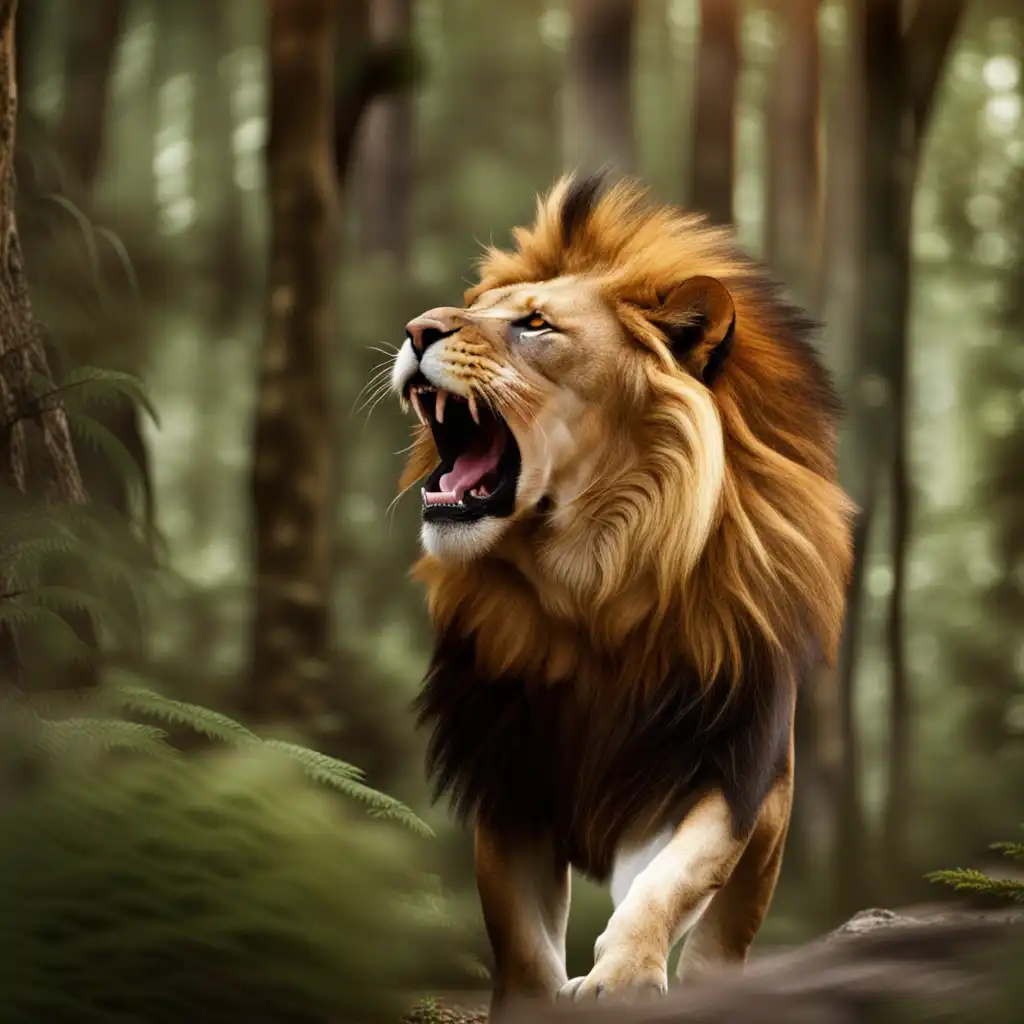
wild
adjective wild
waɪld
Living in a state of nature, not tamed or domesticated
Wild animals live in the jungle.
wild
waɪld
Loading…
waɪld
Living in a state of nature, not tamed or domesticated
Wild animals live in the jungle.
waɪld
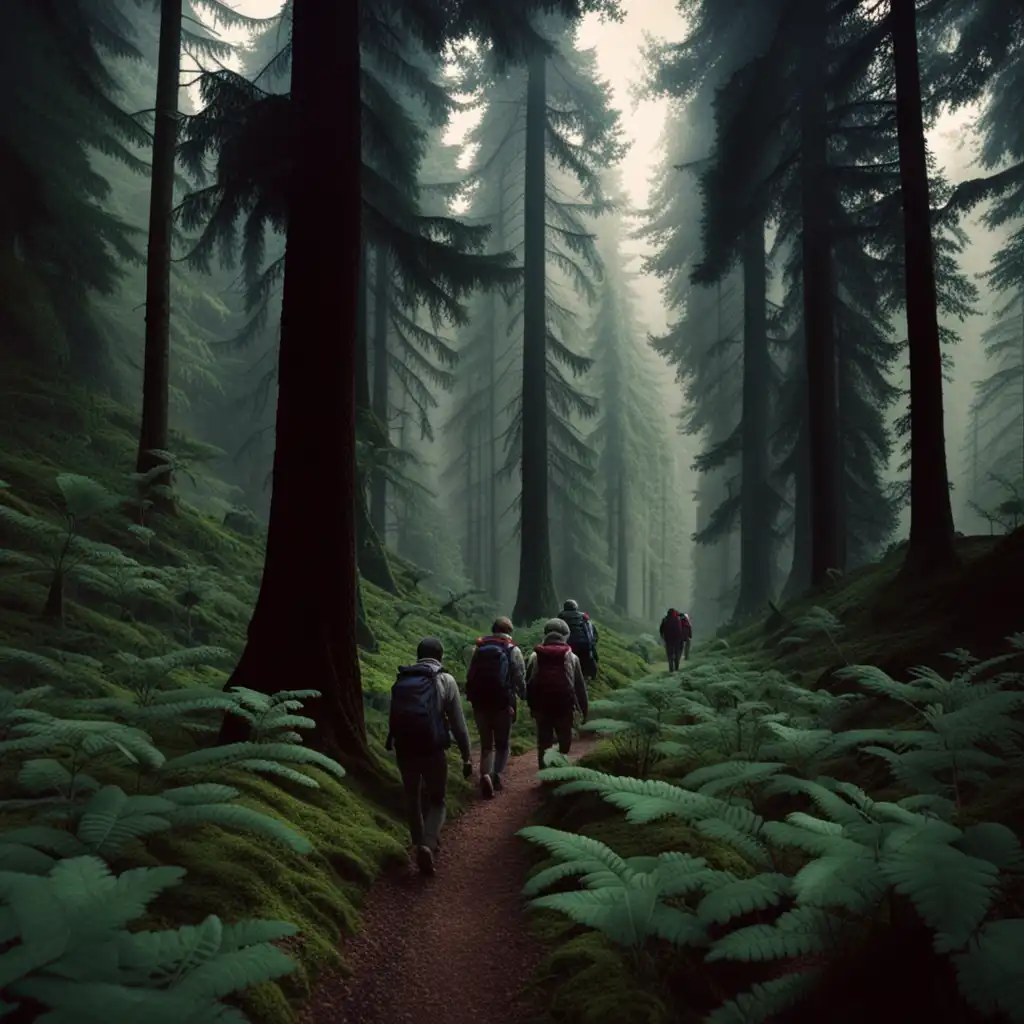
Uncultivated or deserted
They got lost in the wild forest.

waɪld
In an uncontrolled or unrestrained manner
The party went wild.
waɪld
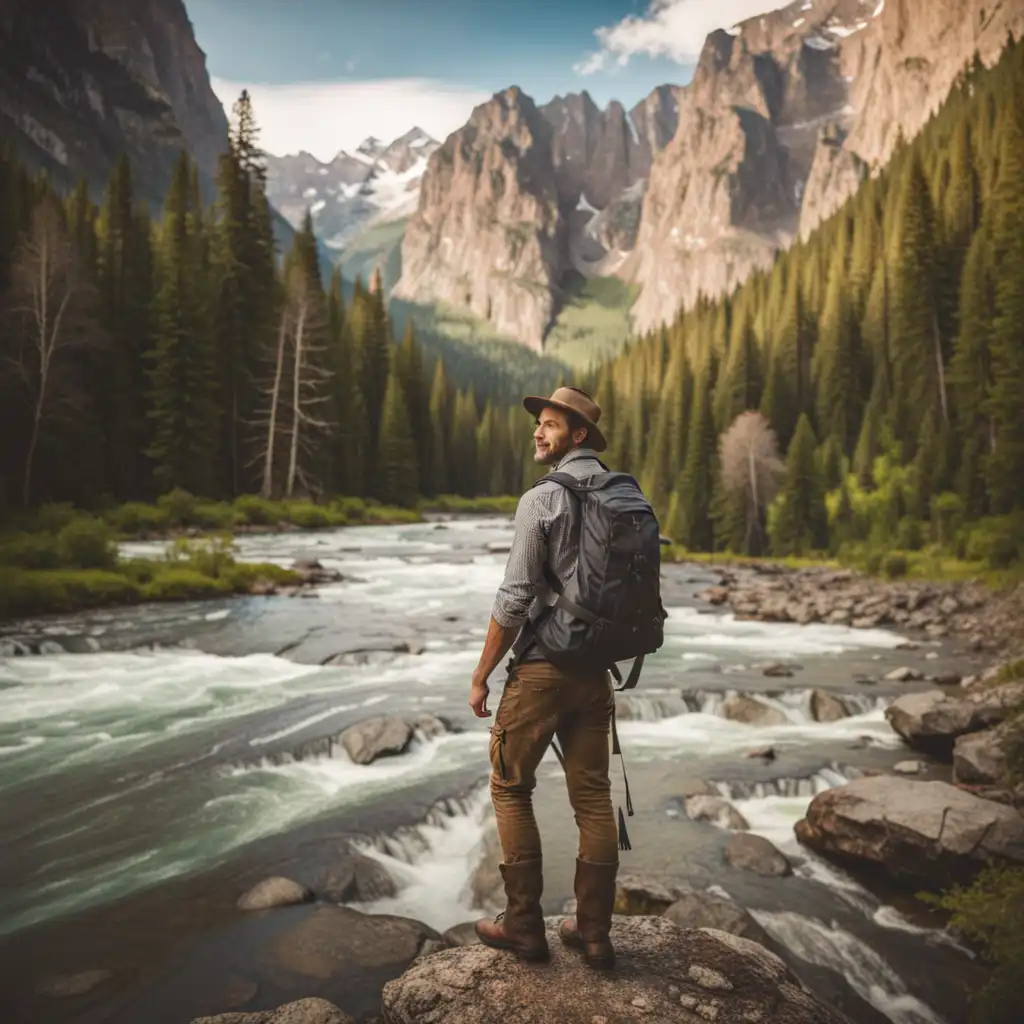
A natural state or uncultivated region
He loves to explore the wild.
waɪld
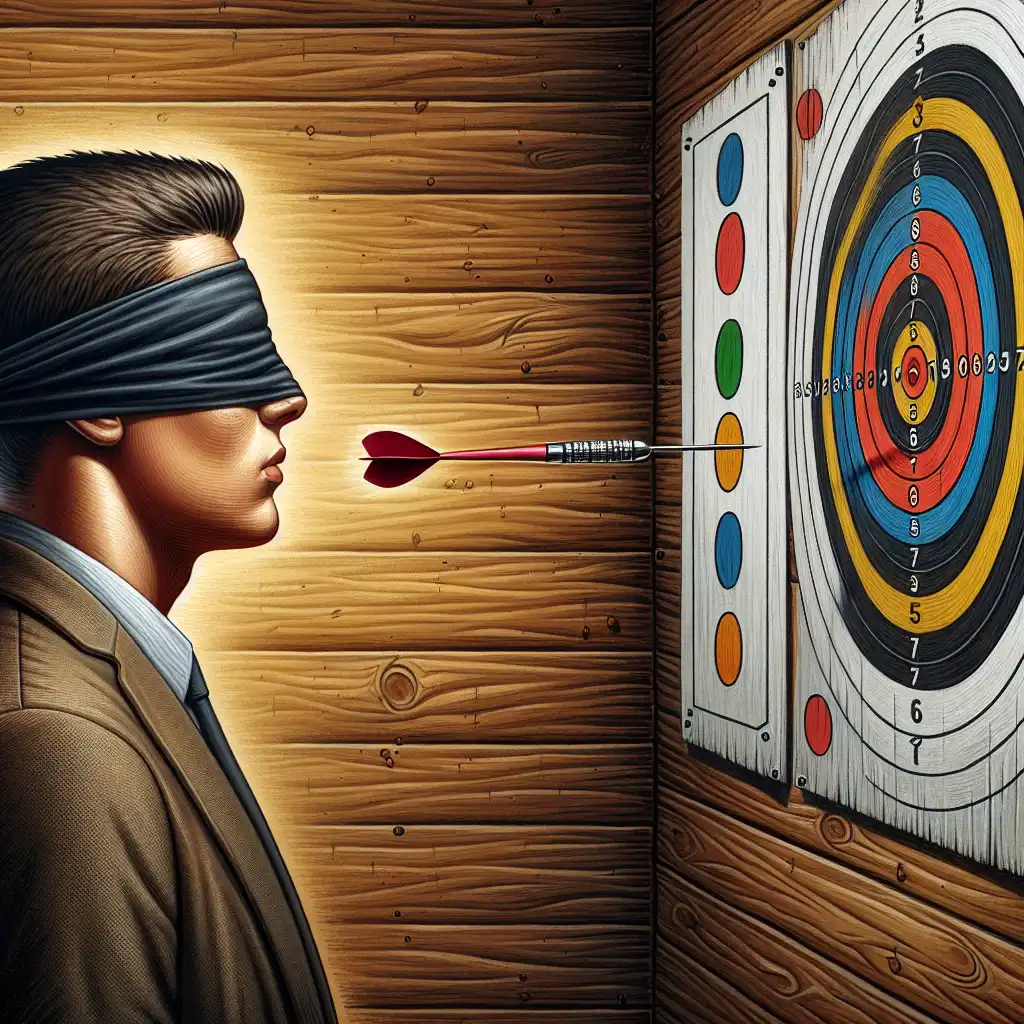
Based on little or no evidence or probability
His wild guess turned out to be correct.
Audio could not be loaded. Please try again later.
'Wild' can be used to describe something that is untamed or not domesticated, such as a wild animal like a lion or a bear. It can also describe a place that is natural and untouched by humans, like a wild forest or a wild river. 'Wild' can also be used to describe something that is uncontrolled or unpredictable, like a wild party or a wild storm. It is important to use the word 'wild' appropriately depending on the context.
Civilize means to develop a society with organized government, culture, and ways of living, while wild means untamed and uncontrolled.
Civilize is applicable in the context of creating a society with laws, infrastructure, art, and education, while wild is applicable in reference to something that is uncultivated and in its natural state such as wilderness or animal behaviour.
Open word: Civilize →Feral refers to domesticated animals that have returned to the wild and adapted to their environment without human intervention, such as a feral cat or dog.
Open word: Feral →Ferocious refers to something that is extremely aggressive, violent and dangerous, like a wild animal or a person in a rage.
It implies a level of intensity and brutality. For example, a lion roaring ferociously at its prey.
Ferocious describes aggression and violence, while wild describes untamed and uncontrolled behaviour.
Open word: Ferocious →Lawless means to have no laws or rules, to be without order or discipline. It refers to a lack of obedience to laws or principles.
Lawless emphasizes the absence of laws or rules, while wild emphasizes the untamed or uncontrolled nature of something.
Open word: Lawless →Primitive refers to something that is old or ancient, often associated with the beginnings of civilization, or referring to something that is basic or simple in its design or function.
For example, a primitive tribe might live in huts made of branches and leaves, and use simple tools like spears and bows to hunt for food.
Primitive refers to something that is old or basic, while wild refers to something that is untamed or uncivilized.
However, these words can sometimes overlap, as when a primitive tribe lives in a wild forest.
Open word: Primitive →Rampant means something that is spreading or growing quickly and out of control, usually with a negative connotation.
Rampant is used when something is growing out of control quickly in a negative way, while wild can describe something that is untamed or free, both positively or negatively.
Open word: Rampant →Reckless means doing something dangerous without thinking about the consequences first. For example, driving a car very fast without wearing a seatbelt or helmet.
Reckless shows a lack of concern for safety.
Reckless means doing something dangerous without thinking, while wild refers to being untamed or uncontrolled.
Open word: Reckless →Restrain means to hold back or prevent from doing something.
For example, you would restrain a person who is trying to harm themselves or others, whereas you would use the word wild to describe a forest that hasn't been touched by humans in a long time.
Open word: Restrain →Savage is often used to describe something or someone that is violent, cruel or uncivilized.
It can describe a person's behavior or actions. For example, a person who attacks others without reason can be called savage.
Savage is often associated with negative qualities such as brutality, whereas wild is more neutral and can be associated with a sense of freedom or excitement.
Open word: Savage →Tame refers to something that has been domesticated, trained or controlled by humans.
Wild refers to something that is untamed, uncultivated or uncontrolled by humans.
Tame refers to something that has been made safe and controllable by humans, while wild refers to something that is unpredictable and outside of human control.
Open word: Tame →Uncontrolled refers to something that is not being managed or regulated properly, and is usually negative in connotation.
For example, a fire that is uncontrolled may be spreading rapidly, causing damage and danger.
Uncontrolled means something is not being properly managed or regulated, while wild refers to something that is untamed, free, and can be either positive or negative depending on the context.
Open word: Uncontrolled →The colony can search the entire jungle and flush out its wildlife.
Watch on YouTube ↗You can be very wild and still be very wise.
and some of those are highly toxic. Together they create a harmful stew called leachate, which can move into groundwater soil and streams, poisoning ecosystems and harming wildlife.
Watch on YouTube ↗One of the darkest evils of our world is surely the unteachable wildness of the Good.
blink six seconds and six percent of our walk is through crops peat bugs are large stores of water and carbon and are home to special wetland wildlife
Watch on YouTube ↗I need this wild life, this freedom.
they're wild and radical -- how is it possible that they become so ubiquitous throughout the world? And it happened because media so successfully galvanized around them that they quickly taught us that these forms mean culture and tourism.
Watch on YouTube ↗I'd like more of the world go back to being wild.
wild a little bit but deep down on the Ordos layer we all have I found this one beautiful animal but let me bring you
Watch on YouTube ↗In my wildest dreams, I could not have imagined a sweeter life.
When baby mammals are hand-reared, you have to do everything that mum does, and that includes encouraging them to wee and poop. In the wild they can't do this on their own, so mum helps by licking their behind.
Watch on YouTube ↗In my day-to-day life, I'm not that wild.
may lose another of its iconic wildlife species compared parent fish nearly a metre and
Watch on YouTube ↗I was raised in a lower-income family, and we were wild.
who have been rescued from captivity and returned to the wild. Because they've lived partly in our world as well as theirs, they can give us an insight into what we have in common. This old lady loves DIY.
Watch on YouTube ↗I just can't remember a time when I wasn't involved with animals and wildlife.
It's a sad fact but as far as alligators are concerned, we humans do just about everything to encourage trouble. Have them as pets in our homes feed wild ones and put housing developments in the middle of where they naturally live.
Watch on YouTube ↗I have such a good life. It's something I couldn't have imagined in my wildest dreams.
asian medicines has decimated their numbers worldwide today a pangolin will be taken from the wild every five minutes
Watch on YouTube ↗I love to watch birds and wildlife.