curfew
noun curfew
ˈkɜːrfjuː
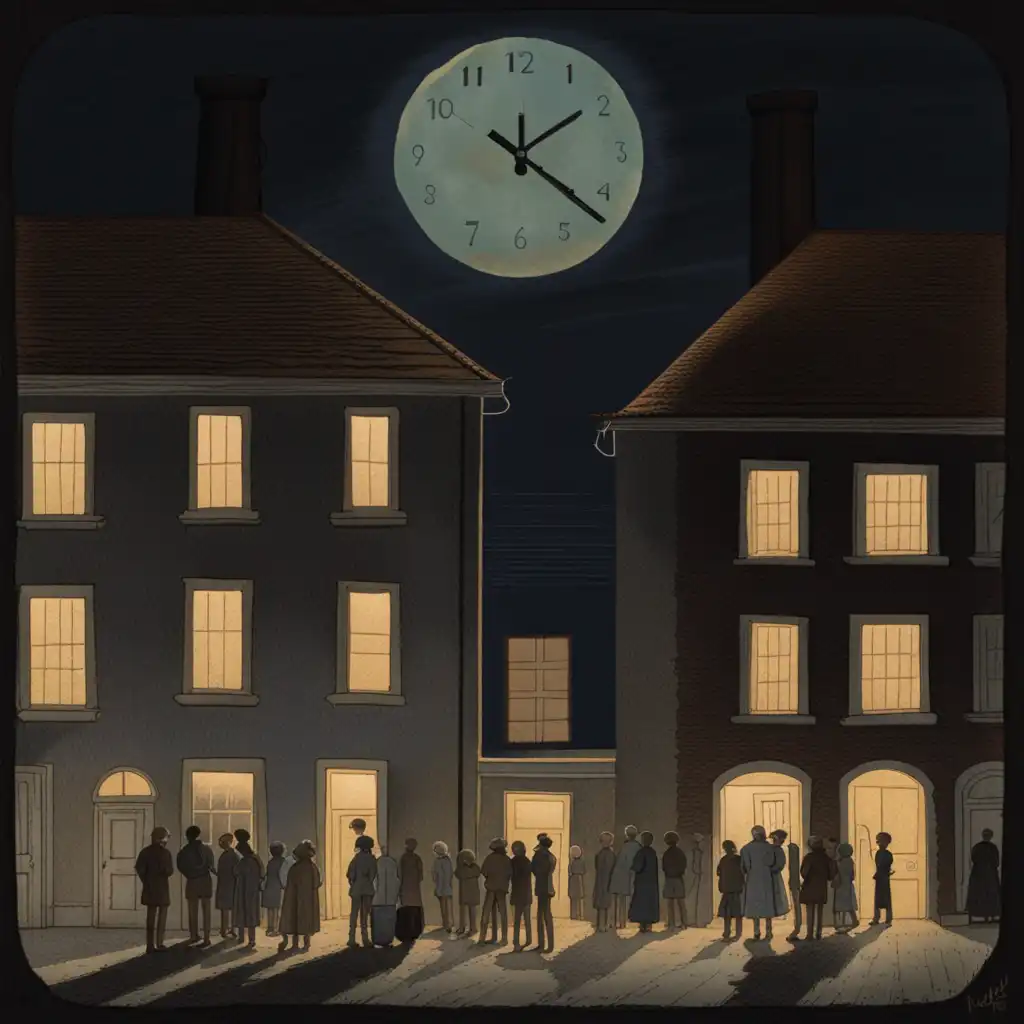
A rule that everyone must stay at home between particular times, usually at night
The curfew was set at 10.pm, during which everyone had to be at home.
curfew
ˈkɜːrfjuː
Loading…
ˈkɜːrfjuː
A rule that everyone must stay at home between particular times, usually at night
The curfew was set at 10.pm, during which everyone had to be at home.
ˈkɜːrfjuː
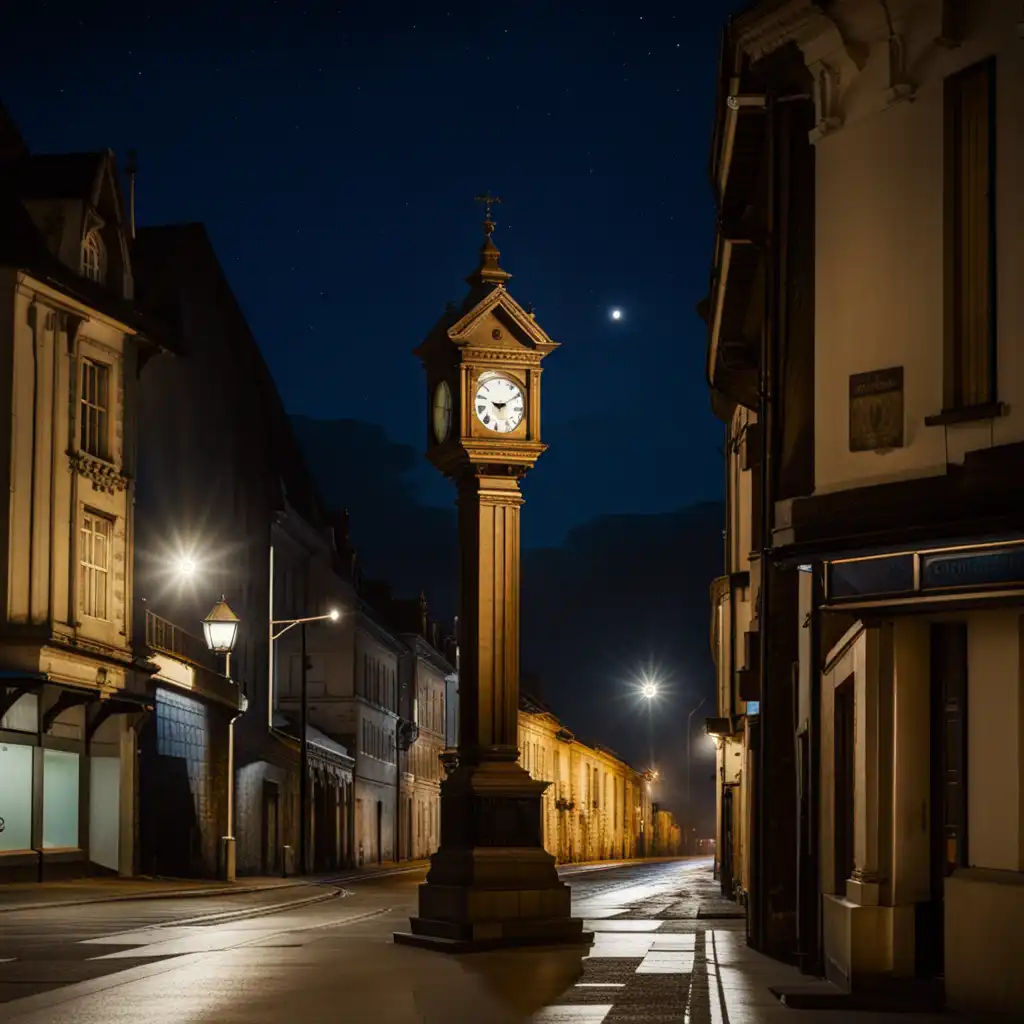
The time at which such restriction begins
The curfew starts at 11 pm during weekdays.
ˈkɜːrfjuː
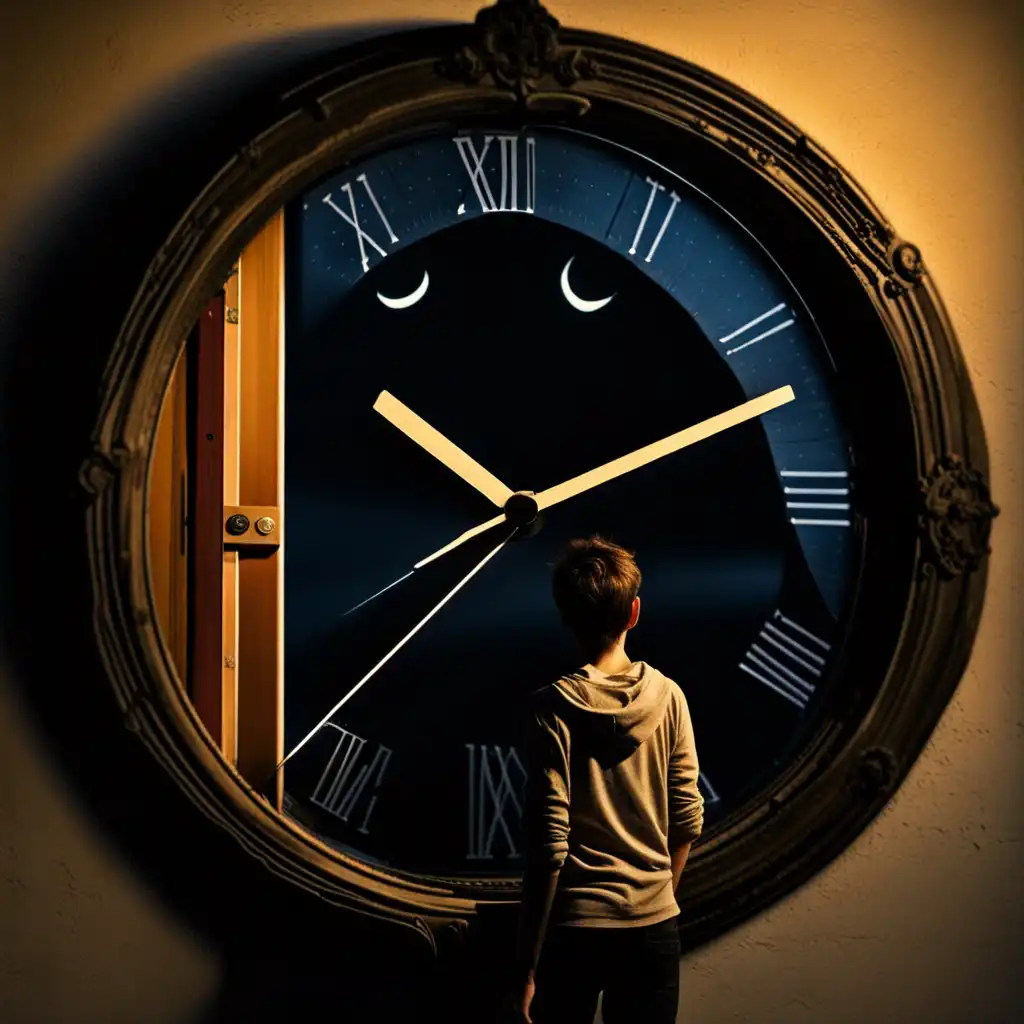
A specific time when a person is expected to be home
My parents are very strict about my 12 o'clock curfew.
Audio could not be loaded. Please try again later.
Curfew is a rule that restricts people from being outside their homes or a particular place during specific times. It is usually imposed by the government or the authority to maintain peace and safety. For example, a person may be given a curfew of 10 pm, which means they cannot be outside their home or a particular place after that time. It is often used during emergencies or in areas where there is a high risk of danger.
Ban means to officially forbid something or someone from doing something. For example, smoking is banned in many public places like restaurants and parks because it is harmful to health.
Ban is applicable when something is completely prohibited and not allowed under any circumstances.
Open word: Ban →A constraint is something that limits or restricts action or behavior. For example, a budget is a constraint on spending money.
Constraints can be internal, such as personal principles or beliefs, or external, like government regulations.
A curfew is a specific type of constraint – it’s a rule that limits the time when someone can be out or the activities they can engage in during certain hours.
In summary, constraints are limitations in general, while curfews are a specific type of constraint that refers to rules about time and behavior during specific hours.
Open word: Constraint →Embargo refers to a ban or restriction on trade or commerce between countries or entities. It’s usually imposed for political, economic, or security reasons.
One example of an embargo is the trade sanctions imposed by the United States on Iran.
Embargoes can also apply to certain products from being imported or exported.
A curfew is a restriction of movement within a certain time limit while an embargo is a restriction on trade.
Open word: Embargo →Limitation refers to restrictions or boundaries that apply to what one can do or achieve.
Limitations can be physical, financial, or related to other factors.
For example, a person who has a limited amount of money might have limitations on what they can buy or do.
Limitations can be placed on things like development or creativity.
Curfew refers to a specific time restriction, while limitation refers to a more general restriction of what can be done or achieved.
Open word: Limitation →Prohibition is a legal restriction that prohibits certain activities or behaviors. It is imposed to prohibit the sale, consumption, or production of certain substances or activities that are deemed harmful to individuals or society.
Prohibition is typically used to control the sale and consumption of alcohol and drugs.
In simpler language, a curfew is a restriction on the movement of people during a specific time, while prohibition is a ban on a specific activity or substance all the time.
Curfew is usually enforced during emergencies or in specific situations, while prohibition is enforced as a law or government policy.
Open word: Prohibition →On the other hand, Quarantine is a measure used to prevent the spread of diseases by isolating or separating people who may have been exposed to the disease.
Quarantine usually lasts for a period of time until it is determined that the person is no longer contagious.
Quarantine is used when there is a risk of the spread of infectious diseases, such as during a pandemic or outbreak.
Curfew is used to restrict movement for a temporary period, whereas quarantine is used to prevent the spread of illness and can potentially last for a longer period.
Open word: Quarantine →Curfews are usually imposed for safety, security or emergency reasons. Whereas, Restriction is a wider term which refers to limits or conditions on people's behavior or activities.
Restrictions could include limitations on gathering size, travel bans, mask mandates, or any other type of prohibition to control a situation or behavior.
A curfew is like a bedtime set by the government, while a restriction is like a set of rules that people must follow like staying six feet apart or wearing masks.
Curfews are mostly applied during crisis situations such as natural disasters or riots where safety is a concern, while restrictions can be applied to any situation where certain behaviors need to be controlled or limited.
Open word: Restriction →A shutdown is a cessation of operations or activities, such as closing down public services, businesses or government offices in response to an emergency or crisis.
Curfews are usually applied to certain groups of people, such as teenagers or specific neighborhoods or communities, while shutdowns can apply to entire cities or regions.
The main difference between the two is that a curfew restricts movement and activity during specific hours, while a shutdown is a temporary closure of businesses and services.
Open word: Shutdown →Was a brat was running fast to get home by my curfew Silly me tripping quick I was almost killed by a honker When the time is right I'll move alright so don't get too uptight Bananananana isoganaide
Watch on YouTube ↗All we can do when we think of kids today is think of more hours of school, earlier age at the computer, and curfews. Who would want to grow up in that world?
a teenager and think that I might need to undergo some psychiatric testing let me remind you that I can't raise their allowance or extend their curfew and thankfully I don't have to get them out of bed in the morning but I do get to
Watch on YouTube ↗I probably have an earlier curfew than anyone. My mom wants to keep me really safe and my dad's not overly protective, but he's a dad no matter what.
including anyone of even partial Japanese heritage– from designated ‘military areas.’ At first, Japanese Americans were pushed to leave restricted areas and migrate inland. But as the government froze their bank accounts and imposed local restrictions such as curfews,
Watch on YouTube ↗Once when I was 16 I had my car taken away from me for being past curfew. Oh, and I said a bad word once, and I actually did get my mouth washed out with soap.
around the town and we might be stuck here with a curfew for the next day
Watch on YouTube ↗I think everybody in Washington could use a curfew, to be honest.
I've never really had a first date! Well, I had kind of a first date. I went out with this kid. We went ice skating, but it was not fun. It was so terrible that I told him my curfew was a lot earlier than it really was.
I remember the absolute, joyous freedom I felt when I first went to college: I had no bedtime, no curfew, no rules - I loved it. I was in charge. I couldn't believe I didn't have to answer to anyone.
Getting off parole is like walking out them cells all over again. There was a lot of stuff I couldn't do when I was on parole. I had a curfew, couldn't go to certain cities, couldn't be around certain people, and you miss out on a lot of opportunities.
An average show is two hours. And that's usually right up to the curfew or the union triple time. I always feel like I could have played a little longer or something, but it's hard for me to pay attention to anything for longer than that.
My nana was strict and didn't express a lot, so naturally, I was scared of him. I would even get the usual 'strict-father' scolding if I didn't study or stick to my curfew.
A friend got attacked outside a nightclub just for being deaf. I stuck up for him but ended up getting in a bit of a trouble myself. I played with a tag at Stocksbridge. I had a little curfew. Luckily, it didn't stop me playing football. Being put on a tag, I could have lost playing football again.