outflow
noun outflow
ˈaʊtfləʊ
The act or process of flowing out.
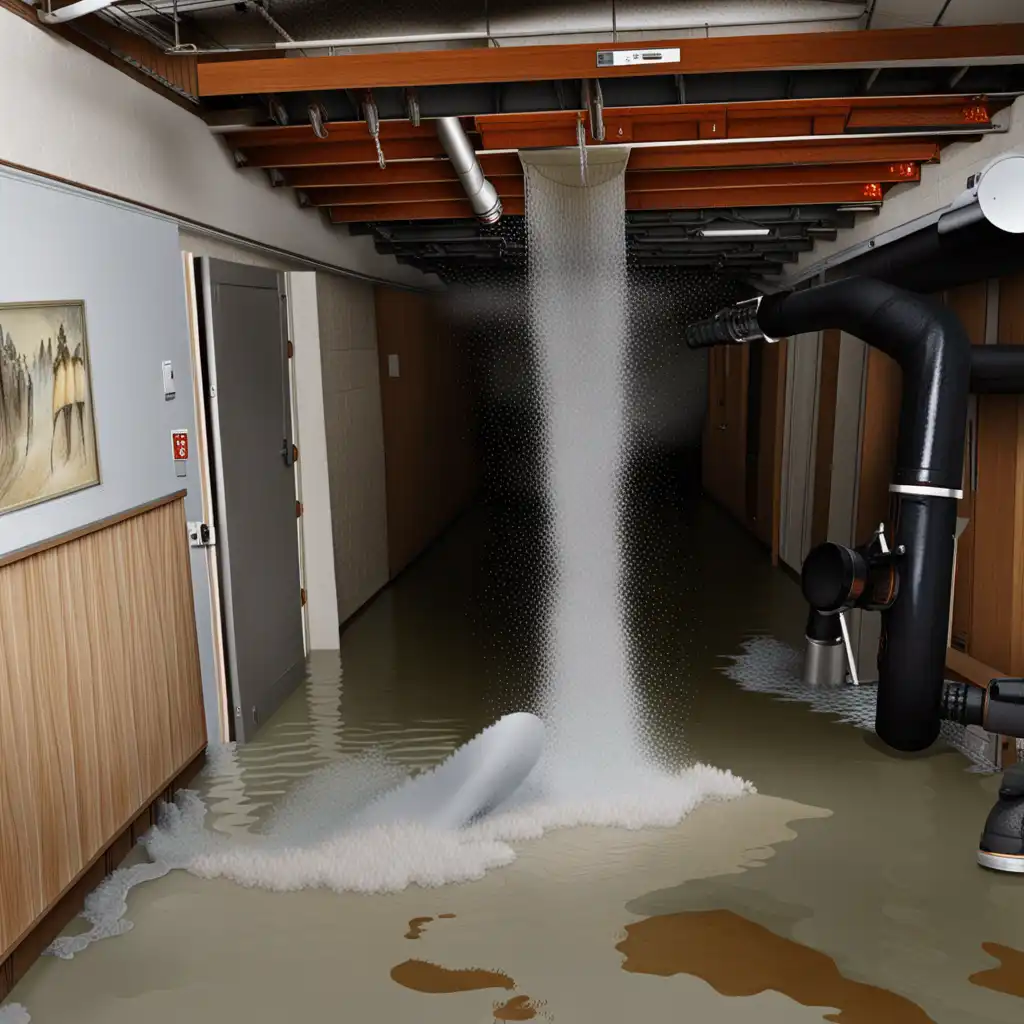
The pipe burst, causing a massive outflow of water into the basement.
outflow
ˈaʊtfləʊ
불러오는 중…
ˈaʊtfləʊ
The act or process of flowing out.
The pipe burst, causing a massive outflow of water into the basement.
ˈaʊtfləʊ
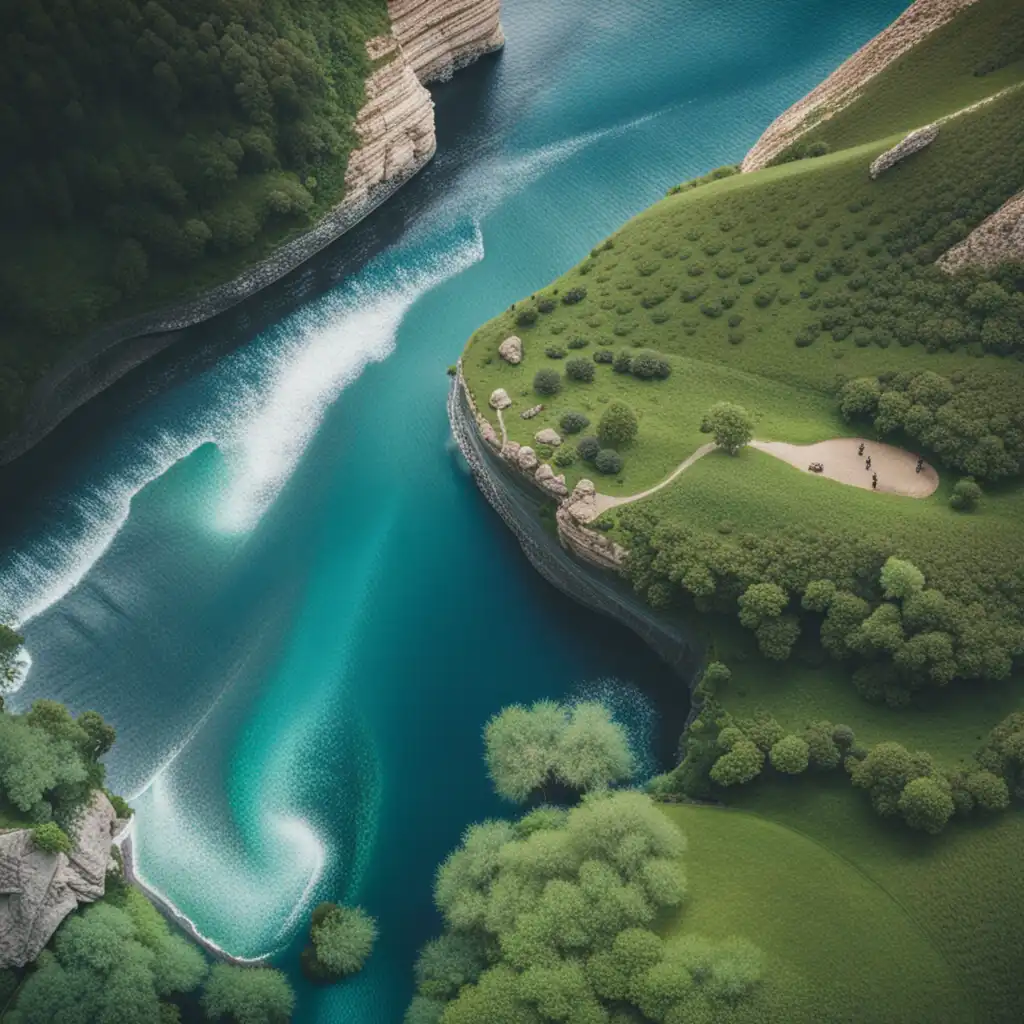
Something that flows out or forth, especially a stream or river.
The outflow of the river into the ocean can be viewed from the cliffs.

ˈaʊtfləʊ
A movement of money out of a particular place or organization.
Due to poor management, the company faced major outflow of funds.

ˈaʊtfləʊ
A migration of people from a place.
The country experienced a large outflow of young professionals seeking better opportunities abroad.
오디오를 불러오지 못했어요. 잠시 후 다시 시도해 주세요.
The word 'outflow' is used to describe the movement of something away from a particular place or area. It is often used to refer to the movement of fluids, such as water or air, from one place to another. For example, if there is a leak in a pipe, there may be an outflow of water from it. The word can also be used to describe the movement of money or other resources away from a particular place or organization. For example, if a company is losing money, there may be an outflow of funds from it. Overall, 'outflow' is a word that is used to describe the movement of something away from a particular location or source.
Both discharge and outflow refer to something flowing out from a particular source. The main difference between the two words is the nature of the source and the direction of the flow.
Discharge typically refers to the act of releasing something from a closed container, such as a pipe, tank or a wound. It usually refers to liquids or gases being expelled from these containers due to pressure or external forces.
The direction of discharge can be upwards, downwards, sideways or at an angle, depending on the shape and location of the container.
For example, a burst pipe discharges water onto the ground, or a wound may discharge pus or blood.
Discharge usually refers to the release of something from a container or a wound, while outflow usually refers to the natural flow of fluids or gases from one place to another.
단어 열기: Discharge →Drainage refers to the process by which water is removed from an area or a system, usually through the use of pipes, channels, or natural features such as rivers or streams.
It describes the movement of water around and away from an area, such as the drainage of rainwater from a roof or the draining of a wetland to make way for a building project.
So, while drainage refers to the overall movement of water within a system, outflow refers to the specific point at which water exits that system.
단어 열기: Drainage →Emission refers to the release or discharge of substances or particles into the environment, such as exhaust emissions from a vehicle or greenhouse gas emissions from industrial processes.
Emission is used when something is being released or discharged into the environment, while outflow is used when something is flowing outwards from an area or container.
단어 열기: Emission →Flush refers to the process of forcing water or other fluid through a system or pipe to clean or eliminate waste.
Flush is more applicable when talking about cleaning or removing waste from a system, while outflow is more applicable when discussing the movement of water or other fluids out of a particular area or system.
단어 열기: Flush →Both leakage and outflow refer to the process of liquid flowing out of a container or a system.
However, leakage often implies an unintended or unplanned flow, whereas outflow can refer to planned or expected flow.
For example, if a water bottle has a crack in it and water flows out, that would be called a leakage. If someone intentionally pours water out of the bottle, that would be called an outflow.
In terms of economics, leakage refers to any money that is lost from a system, such as funds lost due to taxes or foreign investments.
Overall, both words can describe liquids or money leaving a system, but leakage is often associated with unintended or unexpected flows, while outflow can include both planned and unintended flows.
단어 열기: Leakage →Outflow and outpouring both refer to the movement of something outwards, but they are used in slightly different contexts.
Outpouring is more commonly used to describe a sudden and intense movement of something outwards, such as an outpouring of emotion or an outpouring of rain during a storm.
Outflow suggests a slow and steady movement while outpouring suggests a sudden and intense movement.
단어 열기: Outpouring →Seepage refers to a slow and unnoticed flow of liquid through porous material, such as soil or rocks.
Seepage is applicable when there is a need to understand the movement of liquids in natural systems, such as groundwater or rainwater infiltration.
Outflow is a deliberate and more visible flow, while seepage is a slower and often unnoticed flow.
단어 열기: Seepage →Isha Datar: How we could...
YouTube에서 보기 ↗Preaching is not the performance of an hour. It is the outflow of a life. It takes twenty years to make a sermon because it takes twenty years to make the man. The true sermon is a thing of life. The sermon grows because the man grows.
The Silk Road:...
YouTube에서 보기 ↗The I.M.F. programs cost us $2 billion in outflows against only $1 billion in inflows.
Bethany Ehlmann:...
YouTube에서 보기 ↗We have the eurozone. Could we accept to be cleared, regulated, and de facto have inflows and outflows from a country that has decided to leave the E.U.? For me, definitely not.
A key part of your sovereignty is the ability to control the influx and outflow of your people and is the ability to secure your border.