burn
verb burn
bɜːrn
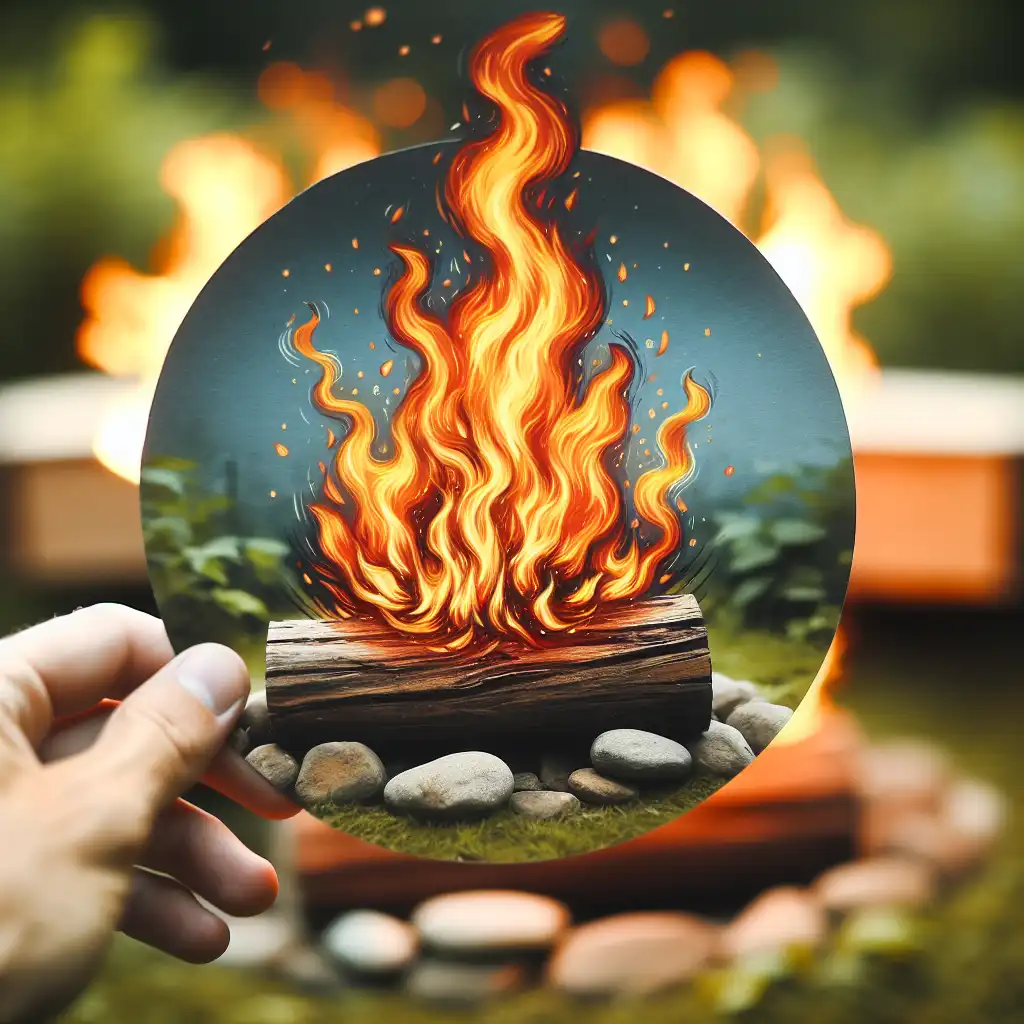
To produce flames and heat while being consumed by fire.
The wood started to burn quickly.
burn
bɜːrn
불러오는 중…
bɜːrn
To produce flames and heat while being consumed by fire.
The wood started to burn quickly.
bɜːrn
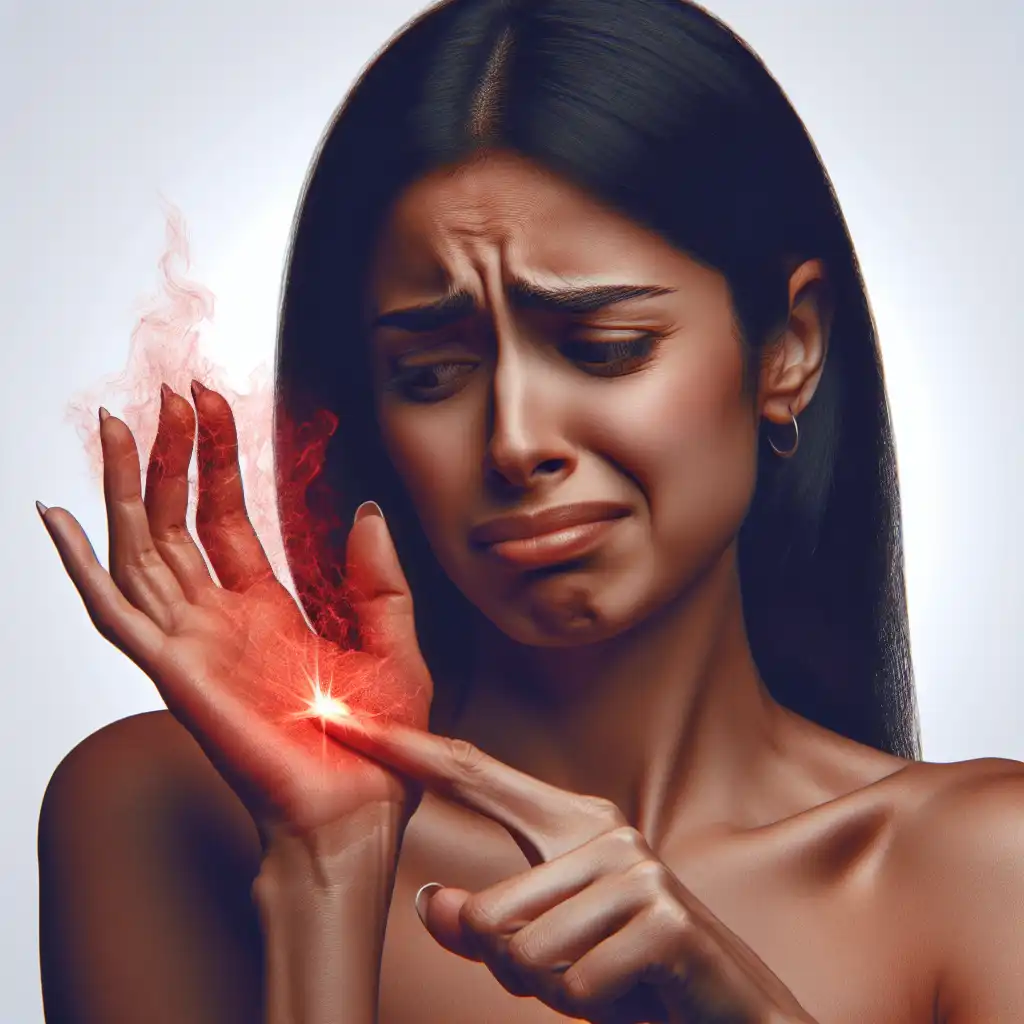
To injure by exposure to heat, fire, or radiation
She burnt her hand on the hot stove.
bɜːrn
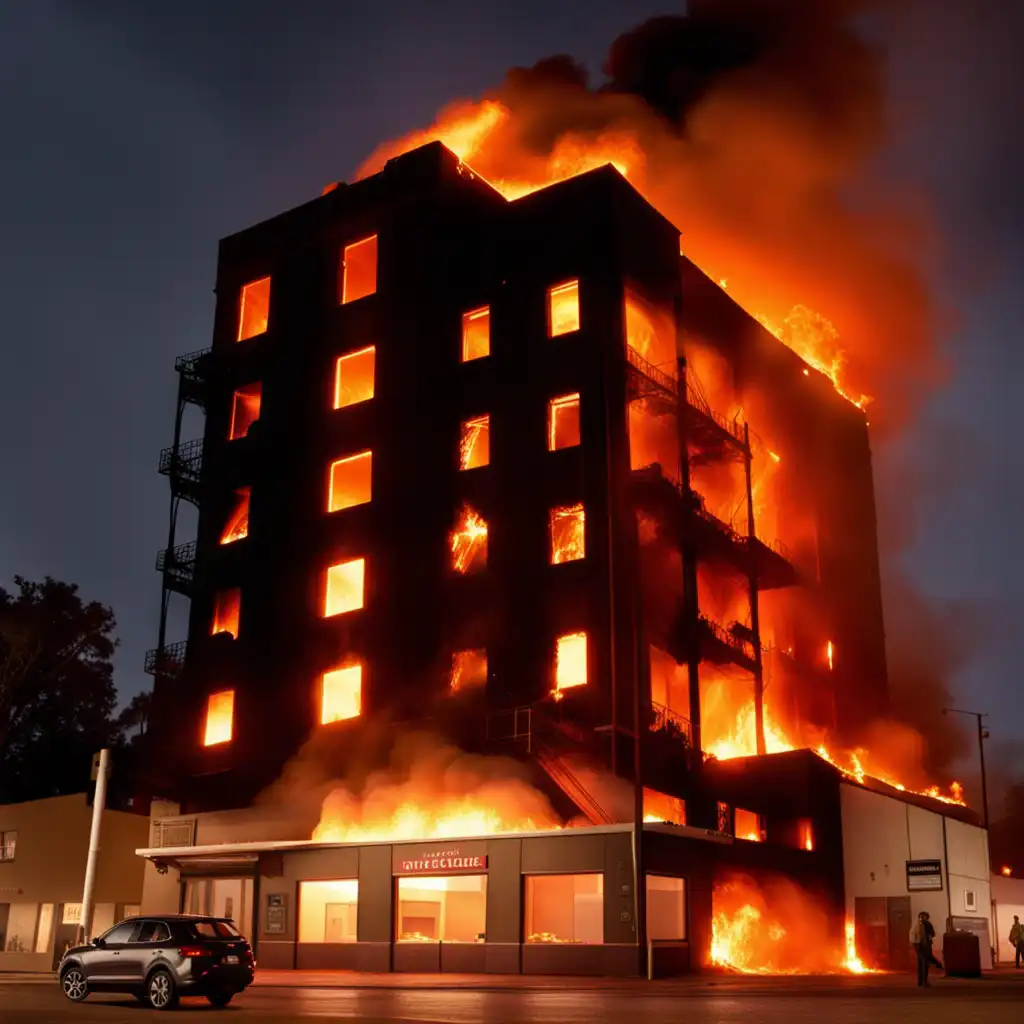
To completely destroy something by fire
The fire burned the entire building.

bɜːrn
To feel a strong emotion, such as anger or desire
She burned with anger after the argument.

bɜːrn
In computing, to write data to a disk permanently
I need to burn these songs onto a CD.
bɜːrn
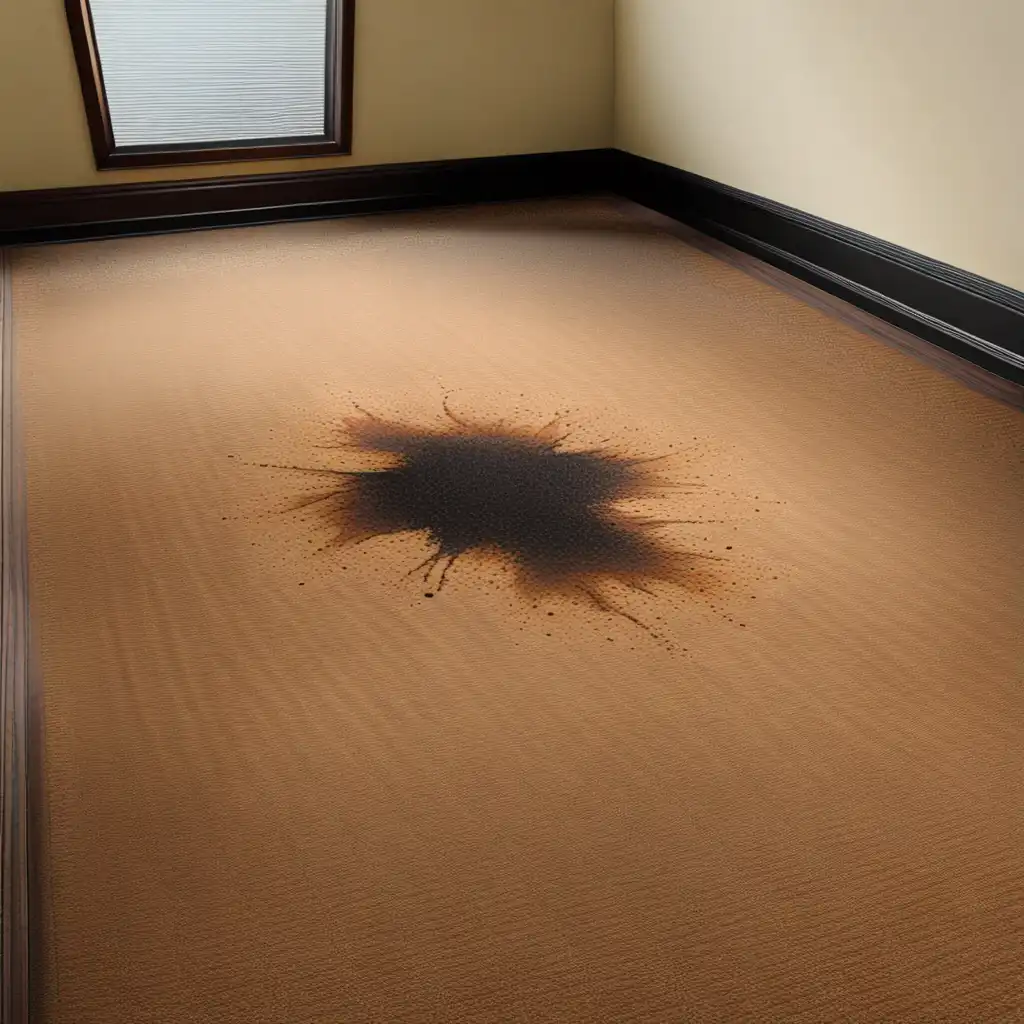
A place where fire has damaged or consumed material
The burn on the carpet was impossible to hide.
bɜːrn
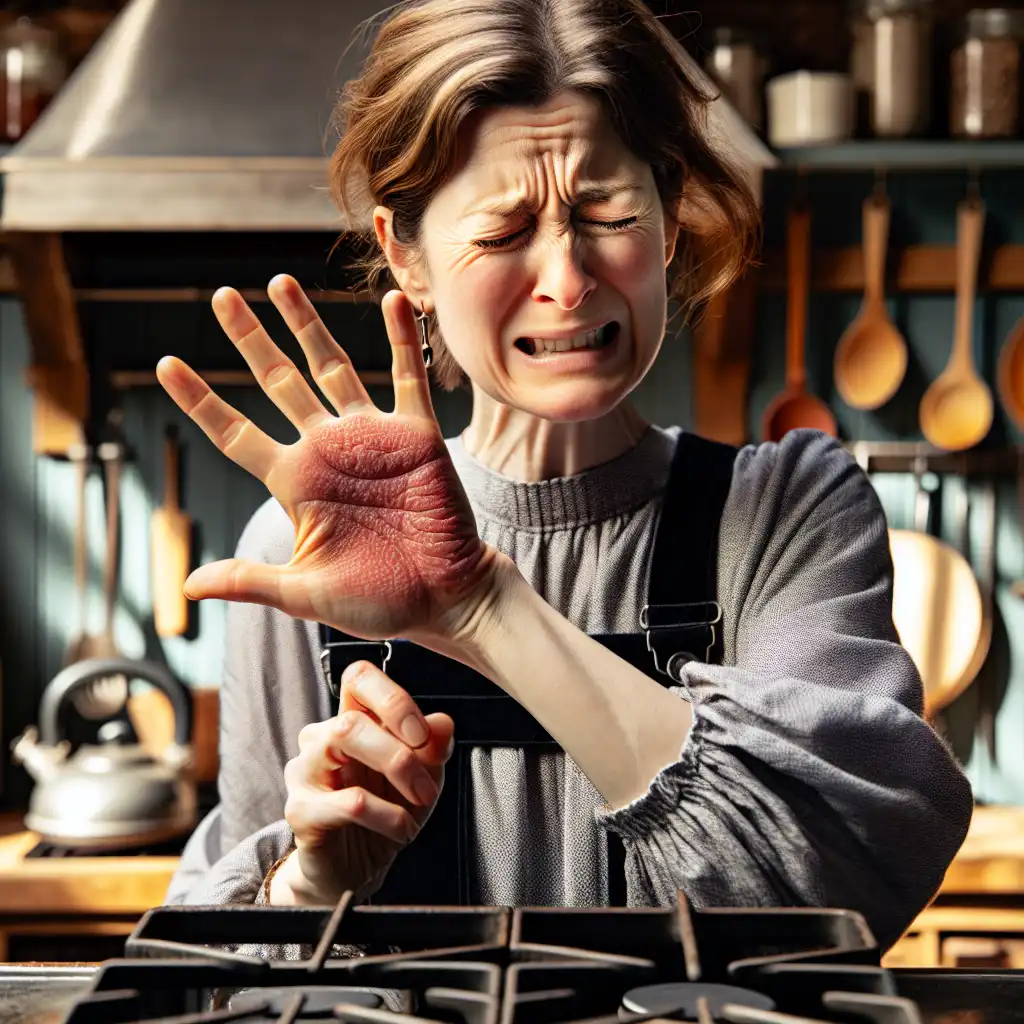
A physical injury caused by heat or fire
She got a severe burn while cooking dinner.
오디오를 불러오지 못했어요. 잠시 후 다시 시도해 주세요.
The word 'burn' can be used in many different contexts, but it generally means to set something on fire or to cause something to be damaged or destroyed by fire. You can say, "I accidentally burned my finger while cooking" or "The building burned down in a fire." It can also be used to describe a feeling on your skin, such as sunburn or a burn from touching something hot. For example, "I got a bad burn from being out in the sun too long" or "I burned my hand on the stove."In addition to these physical uses, 'burn' can also be used to talk about emotions. For example, you might say, "I feel burned out from working too much" or "Her words really burned me and made me upset."Overall, 'burn' is a versatile word that can be used in many different situations, but it usually has to do with fire, heat, or damage.
The main difference between blaze and burn is the intensity of the fire.
A blaze is a large, strong fire that burns brightly and quickly, while a burn is a slower, less intense fire that may last longer.
Blaze is used for fires that are extremely bright and intense, such as a forest fire or a house fire.
Blaze describes a strong and intense fire, while burn describes a fire that is slower and less intense.
단어 열기: Blaze →Char means to burn something partially or blacken the surface of something by exposing it to heat or flame. For example, if you cook a piece of meat too long, it may become charred on the outside.
Burn is applicable when something is damaged, injured or destroyed completely by fire, heat or flames, while char is applicable when something is partially burnt or blackened by heat or flames.
단어 열기: Char →Combust is more of a scientific or technical term that specifically refers to a chemical process where a substance reacts with oxygen and releases heat and gases.
Burn is used in everyday language to describe any process of fire, while combust is a more specific term usually used in a technical or scientific context.
단어 열기: Combust →Cremate specifically refers to the process of burning human or animal remains after death. It involves placing the body in a special furnace called a crematorium and burning it at high temperatures until only the ashes remain.
Burn refers to the general act of setting something on fire, while cremate refers specifically to the process of burning human or animal remains after death.
단어 열기: Cremate →Both burn and ignite refer to the process of setting something on fire, but they have slightly different meanings.
Ignite means to cause something to start burning, often by using a spark or flame. For instance, you can ignite a match to start a fire or ignite a gas burner on a stove.
Burn is a broader term that refers to a fire that is already burning, while ignite is a more specific term that refers to starting a fire.
단어 열기: Ignite →Incinerate: Incineration involves intense heat and is a deliberate and controlled process that is used to reduce waste materials to ashes.
Incineration is a way to dispose of hazardous waste, medical waste, and other materials that cannot be safely thrown away in a landfill.
단어 열기: Incinerate →Scorch refers to the superficial damage caused by too much heat, without completely burning the object or material. For instance, if you accidentally touch a hot pan, you might get a scorch mark on your hand, which is a red or brown patch where your skin got heated, but not burned completely.
Burn is applicable in situations where there is complete combustion, like a house fire, chemical burn, or sunburn, whereas scorch is applicable in situations where there is partial damage due to overheating, like a scorched shirt from the iron, scorched grass from the sun, or scorched paint from a heat gun.
단어 열기: Scorch →The main difference between the words burn and sear is the level of intensity.
Sear generally refers to cooking meat quickly at high temperature to brown or caramelize the outside while keeping the inside moist and tender.
For example, you would sear a steak on a hot pan before cooking it in the oven.
Burn has a negative connotation as it can lead to injury or damage, whereas sear is often used in a positive context to enhance the flavor and texture of food.
단어 열기: Sear →Singe is used to refer to something that's been briefly exposed to heat and has become slightly burnt or browned.
It's often used to refer to hair, where you might singe the ends of your hair with a lighter or straightening iron to give it a particular style.
The key differences between burn and singe are the degree and duration of the heat exposure. You would use the word burn for something that has been subjected to intense heat and has been damaged or changed irreparably, whereas singe is used for something that has been briefly exposed to heat but isn't necessarily destroyed or ruined.
단어 열기: Singe →Toast refers to cooking or heating food, like bread, until it's lightly browned or crispy. Toasting usually involves using heat to make something delicious and crunchy.
For example, when you put bread in the toaster and wait for it to pop up, you've made toast.
Burn means something is overcooked and probably ruined, while toast means something is cooked perfectly and has a crispy texture.
단어 열기: Toast →And at the moment of death he shared its pain. He rubs its saliva into his own legs to relieve the agony of his burning muscles. And he gives thanks for the life he has taken, so that he may sustain the lives of his family,
YouTube에서 보기 ↗If you're bored with life - you don't get up every morning with a burning desire to do things - you don't have enough goals.
at the bottom of long tubes by spitting water into them. While orangutans are able to pass cognitive tests with flying colors, there are certain problems that they need our help to solve. Indonesia has the world's highest rate of deforestation, and millions of acres of rain forest are burned annually
YouTube에서 보기 ↗The truth is something that burns. It burns off dead wood. And people don't like having the dead wood burnt off, often because they're 95 percent dead wood.
But I need your help. It can't just come from folks who are burning themselves out in the community. They need support. They need help. Go back to your city. Find those people.
YouTube에서 보기 ↗So many bright stars, bright in life, burn out quickly.
much of this land is managed for shooting birds through a combination of cutting grazing and burning large parts of our national parks are agricultural lands supporting the people livelihoods and cultures that maintain the landscape
YouTube에서 보기 ↗The only burning passion I'm sure I have, is the passion for sex.
burning lithic landscapes coal oil gas and the rest these are the fossil fallow of an industrial society and with them we have begun once more to remake the world you know traditionally we have thought of fire history as a
YouTube에서 보기 ↗When people have a passion and desire, it burns through and shows.
were trying to create a potion for immortality. Instead what they created was a flammable powder that burned down many of their homes. They quickly realized that this black powder, which they called fire medicine, was precisely the opposite of something that would make you live forever. In these early days,
YouTube에서 보기 ↗That's life's big joke: we all end up looking like Mr. Burns.
that might be happening deep beneath our feet. Fracking's biggest controversy though is happening above the ground. The general consensus is that burning natural gas is better for the environment than burning coal since the gas collected from fracking emits only half the carbon dioxide as coal
YouTube에서 보기 ↗I try to work the hardest I can without burning myself out. It's not that I think working all the time is the key to success. It's just the way I was raised.
Some people just want to watch the world burn, and bats all over the world are threatened by damage to the places that we call home, including mangrove swamps, old-growth forests, and of course bat caves.
YouTube에서 보기 ↗The world is full of things that upset people. But most of us deal with it and move on and don't try and burn the planet down.
Fires are also important for the wider ecosystem as a whole. Without wildfires to rejuvenate trees key forest species would disappear, and so would the many creatures that depend on them. And if a fire-dependent forest goes too long without burning, that raises the risk of a catastrophic blaze,
YouTube에서 보기 ↗If you want to play the game of truth, I'll tell the truth, and the truth will burn.
Pain has an intensity; you can describe it on a scale from zero no pain to ten the most pain imaginable. But pain also has a character, like sharp dull burning or aching. What exactly creates these perceptions of pain?
YouTube에서 보기 ↗I think it is important to do good work and last longer than to do lot of work and burn out quickly.