
vernal
adjective vernal
ˈvɜːrnl
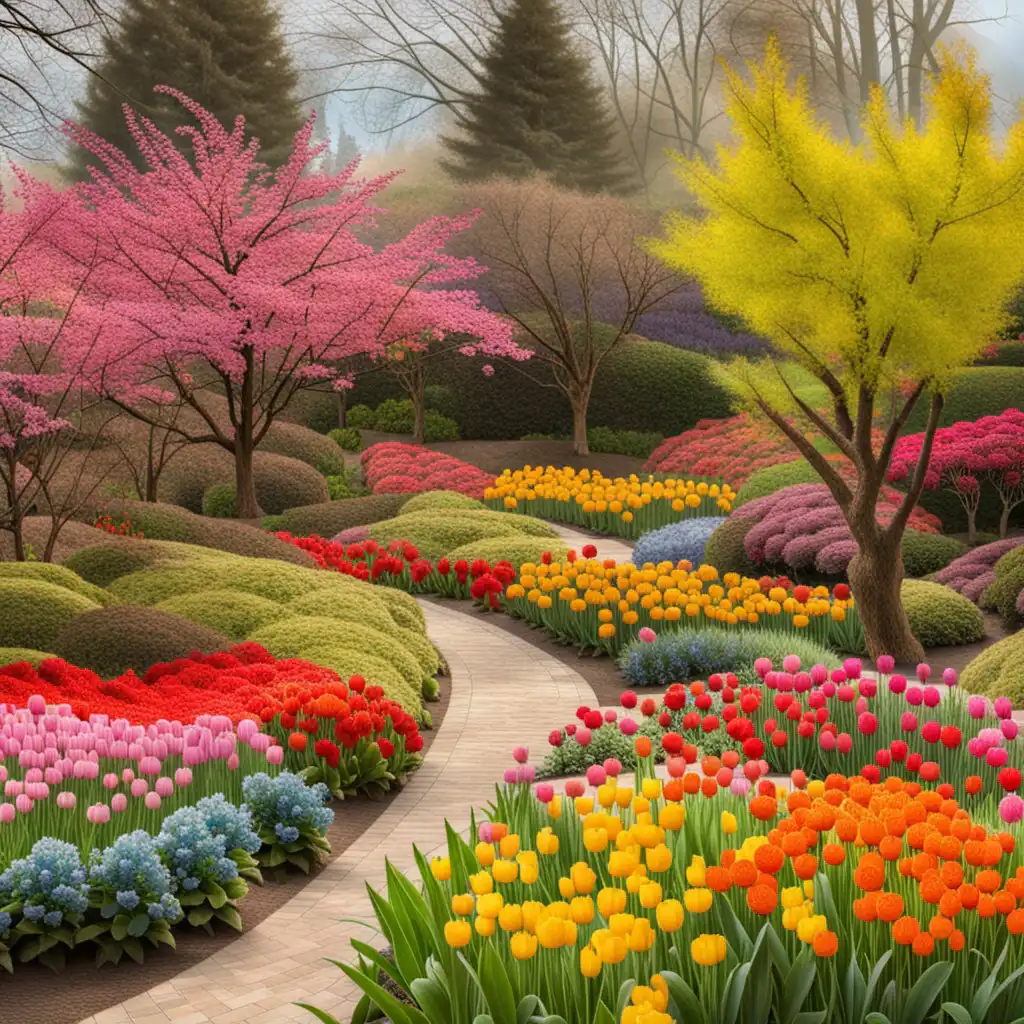
Connected with the season of spring
We went for a walk to enjoy the vernal sunshine.
vernal
ˈvɜːrnl
読み込み中…
ˈvɜːrnl
Connected with the season of spring
We went for a walk to enjoy the vernal sunshine.
音声を読み込めませんでした。しばらくしてからもう一度お試しください。
Vernal is typically used to describe the spring season or something related to spring. For example, "vernal equinox" refers to the start of spring, while "vernal pools" are temporary pools that form in the springtime. Overall, you can use the word vernal when talking about things that are related to or happening during the spring season.
Fresh generally refers to something that is new or just recently produced, such as fresh fruits or vegetables.
It can also refer to something that is clean or invigorating, like fresh air. Vernal specifically refers to the spring season and has a more poetic or literary connotation.
It can describe the rebirth or renewal of nature during this season. Fresh is a more practical and everyday term while vernal is more descriptive and artistic.
単語を開く: Fresh →Both green and vernal are adjectives used to describe the color of plants and grass.
However, vernal specifically refers to something that is related to springtime, while green can refer to any time of the year.
For example, you could say that the grass is green in the summertime, but you could say that the vernal leaves are budding in the springtime.
Green is a more general term while vernal is more specific and is only applicable to the springtime.
単語を開く: Green →Lively means energetic, active and full of life.
Lively is applicable to anything that is full of energy and vitality, while vernal is applicable specifically to the spring season and new growth in the natural world.
単語を開く: Lively →New refers to something that is recently created, discovered, or thought of. It simply means that something has not been seen or done before.
Vernal refers specifically to the spring season. It suggests a sense of freshness, renewal, and growth that comes with the start of spring.
So, while new can be used in a variety of situations, vernal is limited to describing the characteristics of spring.
単語を開く: New →Both spring and vernal refer to the season that comes after winter and before summer. Spring is the most common and is used in everyday language.
For example, you might say "I can't wait for spring break!" but you wouldn't say "I can't wait for vernal break!" Similarly, you might read about the 'vernal equinox' in a science textbook because it refers to the exact moment when the sun passes over the Earth's equator and marks the beginning of spring.
So in short, spring is the everyday word for the season, while vernal is a more specialized or formal term.
単語を開く: Spring →Verdant refers to something that is green and lush, often describing plants or vegetation.
Verdant describes the appearance of something as green and lush, while vernal describes the time of year as spring.
単語を開く: Verdant →It can also signify a sense of freshness, newness, and vitality. Youthful is a more general term referring to someone or something that is young, lively, and energetic, regardless of the time of year.
It can refer to a person's age or the appearance of something. Vernal is applicable when describing spring or a sense of newness, while youthful is applicable when describing a person's age, energy level, or appearance.
単語を開く: Youthful →Nowruz and the Night Sky...
YouTube で見る ↗One impulse from a vernal wood May teach you more of man, Of moral evil and of good, Than all the sages can.
Bernie Krause: The voice...
YouTube で見る ↗The voice of the natural...
YouTube で見る ↗