mockery
noun mockery
ˈmɑːkəri
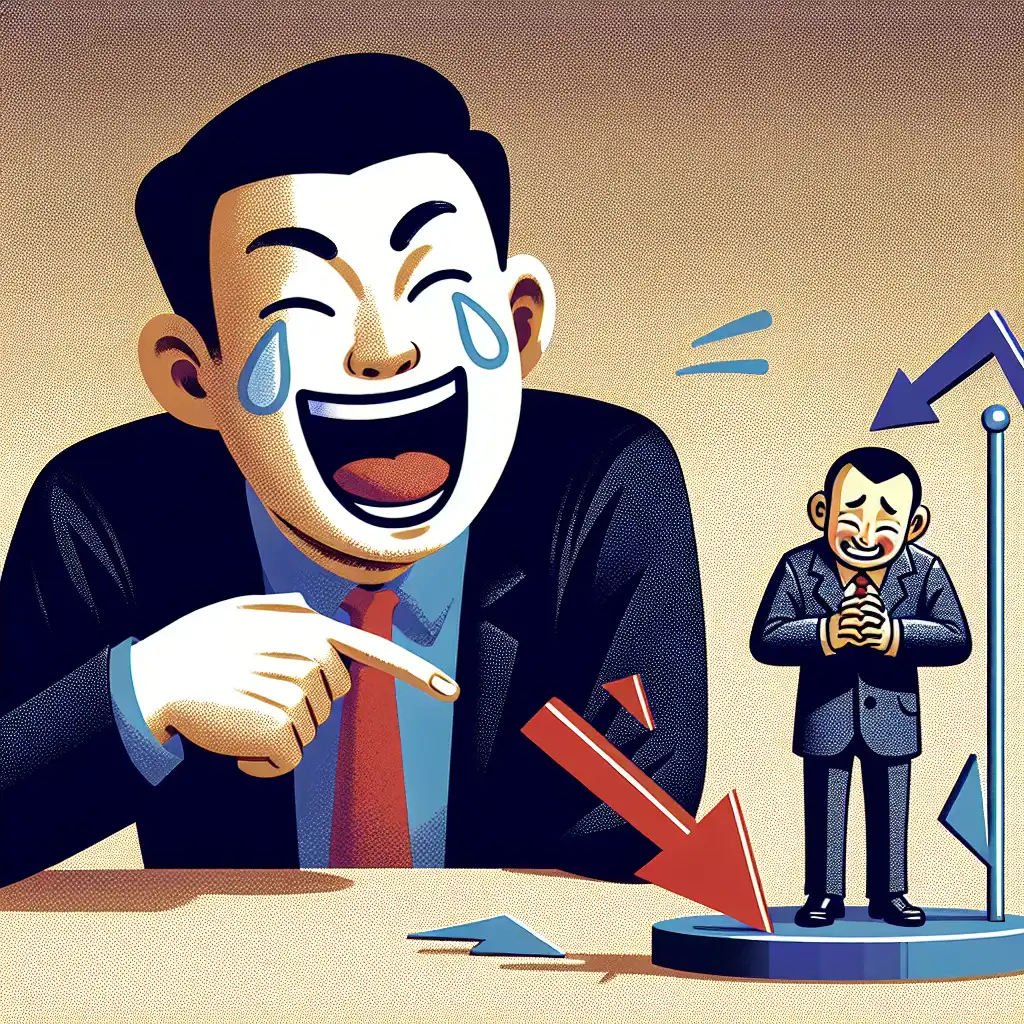
The action of making fun of someone or something in a hurtful way
His comments on the company's poor performance were a mockery of the CEO's efforts to improve it.
mockery
ˈmɑːkəri
読み込み中…
ˈmɑːkəri
The action of making fun of someone or something in a hurtful way
His comments on the company's poor performance were a mockery of the CEO's efforts to improve it.
ˈmɑːkəri
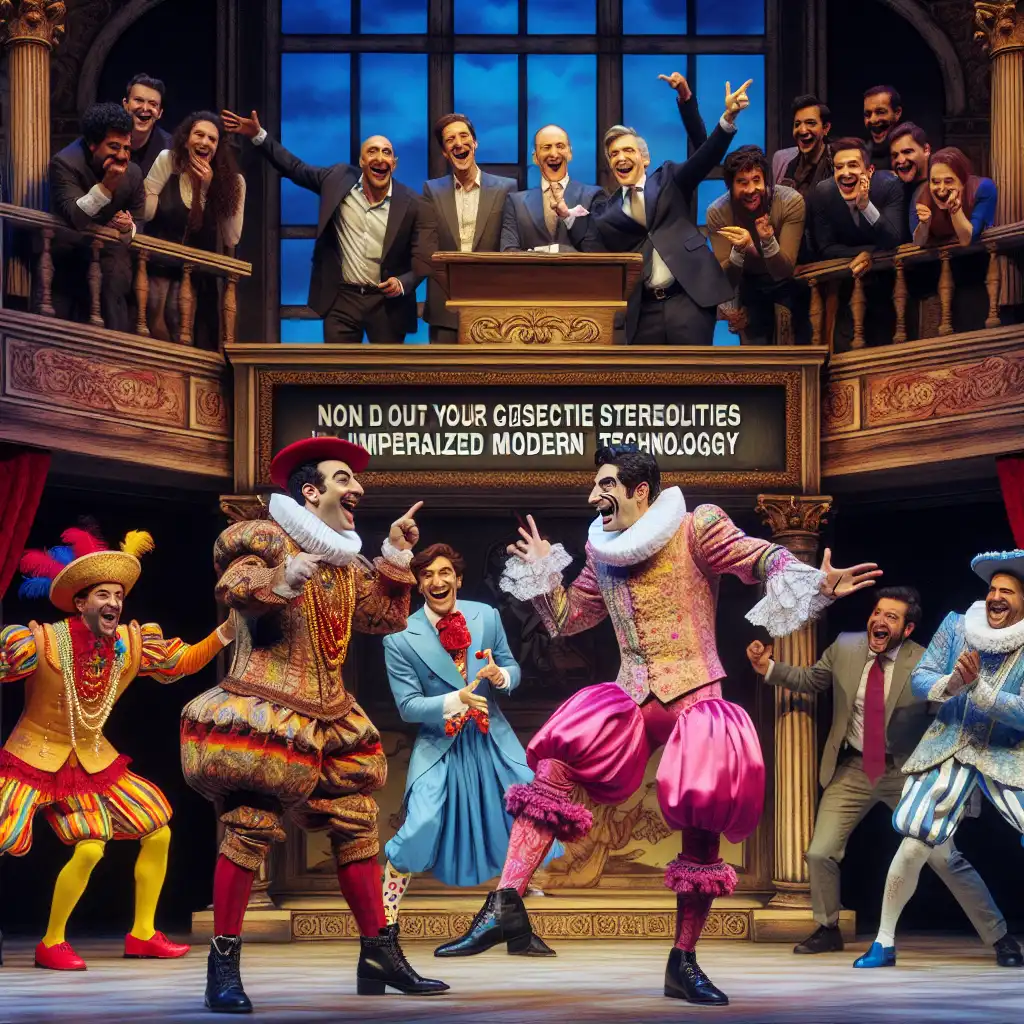
Things done or said that are meant to make somebody or something seem ridiculous
The satirical play presented a mockery of popular culture.

ˈmɑːkəri
A situation that seems as though it is not being treated seriously or with respect
The use of exaggerated templates in the design made a mockery of traditional architecture.
音声を読み込めませんでした。しばらくしてからもう一度お試しください。
The word 'mockery' is used to describe a situation where someone is making fun of someone else or something else in a cruel way. It is typically used in a negative context, and can refer to either words or actions that are meant to ridicule or belittle someone or something. For example, if someone is making fun of a person's accent, they are engaging in mockery. Similarly, if someone is making fun of a group of people or a cultural tradition, they are also engaging in mockery. It is important to use this word carefully and thoughtfully, as it can be hurtful to those who are on the receiving end of it.
Caricature is a drawing or description that exaggerates certain features or characteristics of a person or thing in a humorous or satirical way.
Caricature is a form of humor that exaggerates a person's traits while mockery is a demeaning and insulting form of ridicule.
単語を開く: Caricature →Derision refers to the act of mocking or ridiculing someone or something in a contemptuous manner, often with the intent to hurt their feelings or discredit them.
Both words refer to acts of ridicule or contempt, but derision usually carries a harsher tone and is used to show extreme disrespect or disdain, while mockery is often playful and used to point out inconsistencies or humorous situations.
単語を開く: Derision →Laughter is a positive emotion that we express when we find something funny or amusing.
It can be a form of bullying or disrespect. Laughter is applicable in situations where we find humor or joy, such as when watching a comedy movie or hanging out with friends.
単語を開く: Laughter →Parody is a form of humor that imitates something by exaggerating or mocking it in a playful way to create amusement. It may mimic or imitate something, but it usually has a humorous intent and is not meant to be hurtful.
Mockery is mean-spirited and intended to hurt someone or something, while parody is light-hearted and meant to be funny.
Parody can be applicable in a range of creative fields, like music, movies, or literature. Mockery is usually used as a criticism of a person or thing.
単語を開く: Parody →Both mockery and ridicule refer to making fun of someone or something, but there is a subtle difference in their meaning.
Mockery is the act of treating something with contempt or ridicule in order to make fun of it.
Ridicule, on the other hand, specifically refers to making fun of someone in a way that is intended to humiliate or shame them.
For example, if someone is given a bad haircut and their classmates make fun of them by calling them names, that is an example of ridicule.
Similarly, if someone gives a speech in front of a crowd and the audience berates them for their nervousness, that is also an example of ridicule.
Mockery is more about making fun of a situation or behavior, while ridicule is more about making fun of a person.
単語を開く: Ridicule →Sarcasm is a form of mockery that uses irony and exaggeration to make a point.
Both mockery and sarcasm can be used in appropriate and inappropriate ways depending on the context and intent.
単語を開く: Sarcasm →Mockery and scorn are both negative expressions towards someone or something, but they have different meanings and uses.
Scorn means feeling or expressing disdain or contempt towards someone or something.
It's a strong feeling of disrespect or disapproval. For example, if someone is looking down on another person and treating them with scorn, they're expressing their contempt for them.
Mockery is a form of teasing or ridicule, while scorn is a feeling of deep disrespect or disdain. Both are negative expressions, but mockery is more lighthearted and playful, while scorn is more serious and conveys strong disapproval.
単語を開く: Scorn →Taunt on the other hand, means to intentionally provoke or challenge someone with insulting or sarcastic remarks.
It is often done with the purpose of getting a reaction or response. For example, someone might taunt another person by calling them names, making fun of them or challenging them to a fight.
Mockery is making fun of someone or something while taunt is intentionally provoking or challenging someone with insults.
Both words are used when someone wants to show disdain or disrespect towards someone else, but taunting is a more direct and intentional form of disrespect compared to mockery.
単語を開く: Taunt →and drudgery and misery around the world. I'm very confident we're going to learn to live more lightly on the planet, and I am extremely confident that what we're going to do with our new digital tools is going to be so profound and so beneficial that it's going to make a mockery out of everything that came before.
YouTube で見る ↗The world is a perpetual caricature of itself; at every moment it is the mockery and the contradiction of what it is pretending to be.
to hire an astrologer to warn them when they're gonna have bad days ahead there's been mockery made of her as a result of that decision and the control that she sort of seized in the the abject and determined protection of her
YouTube で見る ↗While the laughter of joy is in full harmony with our deeper life, the laughter of amusement should be kept apart from it. The danger is too great of thus learning to look at solemn things in a spirit of mockery, and to seek in them opportunities for exercising wit.
and drudgery and misery around the world I'm very confident we're going to learn to live more lightly on the planet and I am extremely confident that what we're going to do with our new digital tools it's going to be so profound and so beneficial that it's gonna make a mockery out of everything that came
YouTube で見る ↗The swelling epidemic of human trafficking makes a mockery of the law and its protections.
problem but the question is what do we do I feel like we need to use their weaknesses against them right and we I feel like it's very powerful to have an undercurrent of mockery in our approach so with that I developed a few rules of thumb one never call them by their real
YouTube で見る ↗I get the feeling that people from outside the world of contemporary art see it as deserving of mockery, in an emperor's-new-clothes sort of way. I think that's not right and that it's just because they don't understand the discourse.
This mechanism that for generations has helped inform and guide us no longer functions the way it used to. You know intimately what the poisoned national discourse feels like, what a mockery of reasoned debate it has become.
YouTube で見る ↗Dad has always been - and still is - a great influence on me. He has always stood up for spirit, staying true to his beliefs... and I like to do the same with regard to my own true beliefs, regardless of potential criticism or mockery.
and self-important intellectuals, exactly the people who sat in the front row of the theatre, where everyone could see their reactions. As a result they were referred to as "those made fun of in comedy." Aristophanes’ vicious and often obscene mockery
YouTube で見る ↗I'm very observational in my comedy and what I create with the characters that I'm blessed to play. I don't believe comedy needs to be offensive, and I don't believe it needs to be a mockery of anything.
This may have influenced the panoramic vision of his work, and in the Tales no level of society is above mockery. Chaucer uses the quirks of the characters’ language – the ribald humor of the Cook, the solemn prose of the Parson, and the lofty notions of the Squire –
YouTube で見る ↗I don't mock things, which makes me more vulnerable to mockery myself. If you're cynical, you're protected from mockery. But I have to be nice. I don't think I have irony. A sense of humour, yes, but not irony.
with the anxiety and the fear and the risk and retaliation. If you ask women what they fear the most in response to their anger, they don't say violence. They say mockery. Think about what that means.
YouTube で見る ↗I'd like to say that parody is a celebration of a person's specific characteristics, as opposed to mockery.
They cut out his tongue in mockery of his oratory, and no one knows what they did with his body. So this is the discovery of a lost voice from antiquity, speaking to us not from the grave, because his grave doesn't exist, but from the Athenian law courts. Now I should say at this point
YouTube で見る ↗Vice is Washington's signature. A fish rots from the head, and Washington has led our country into vice, greed, selfishness, and the mockery and destruction of human life.
because there are no headphones for three-year-olds in US courtrooms, because they are not supposed to defend themselves. This makes a mockery of justice, it makes a mockery of the prosecution system,
YouTube で見る ↗Isn't it the sweetest mockery to mock our enemies?