pigment
noun pigment
ˈpɪɡmənt
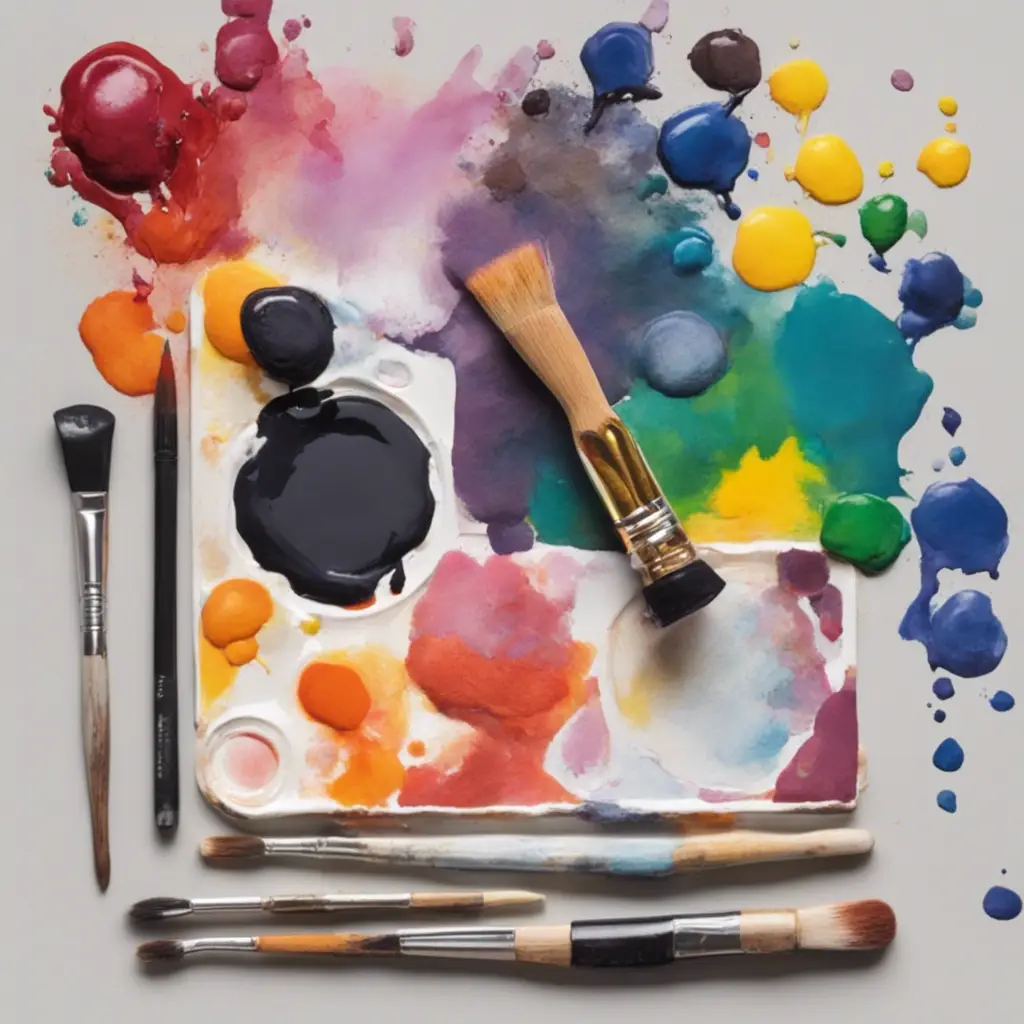
A natural or synthetic substance that gives color to other materials, like paint, ink, or the human body.
The leaves change color in the fall due to the loss of green pigment.
pigment
ˈpɪɡmənt
Chargement…
ˈpɪɡmənt
A natural or synthetic substance that gives color to other materials, like paint, ink, or the human body.
The leaves change color in the fall due to the loss of green pigment.
ˈpɪɡmənt
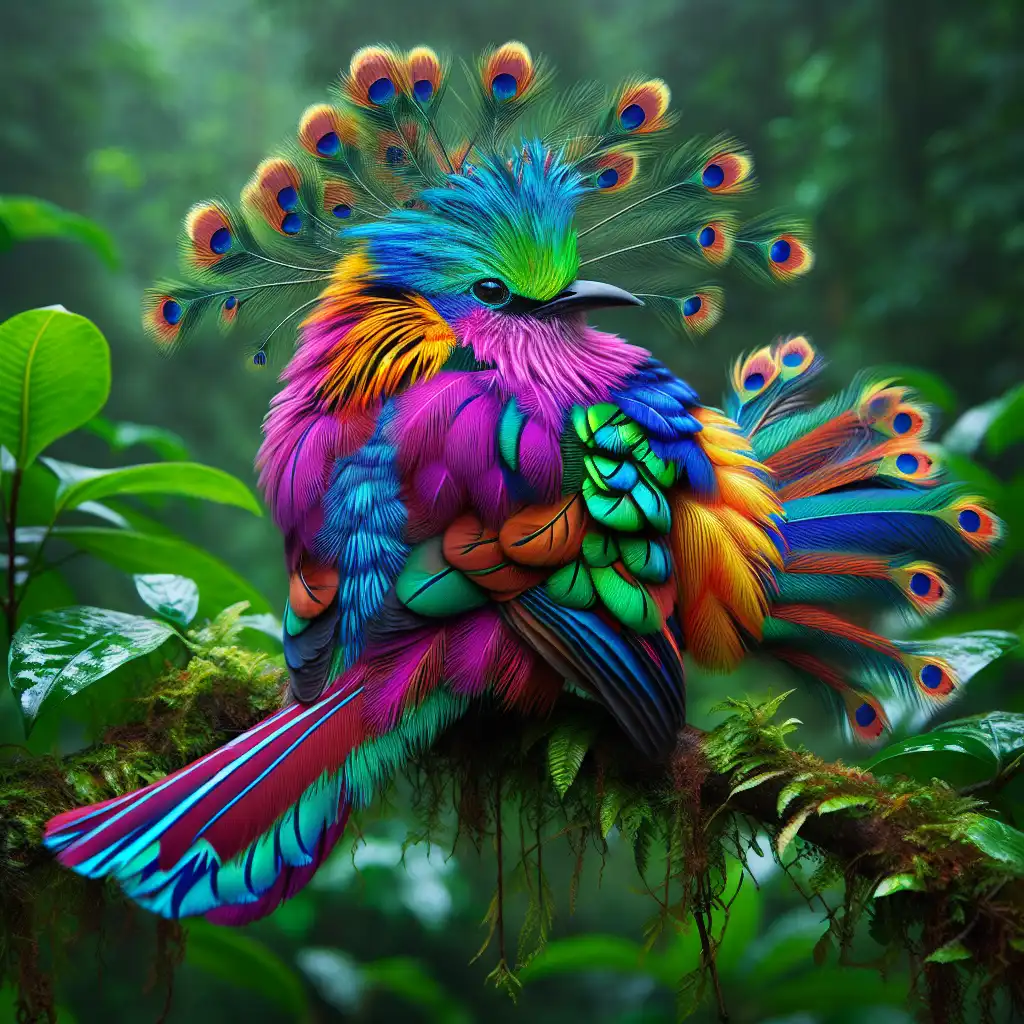
The natural coloring of animals and plants.
The bird's feathers get their vibrant colors from pigments.
ˈpɪɡmənt
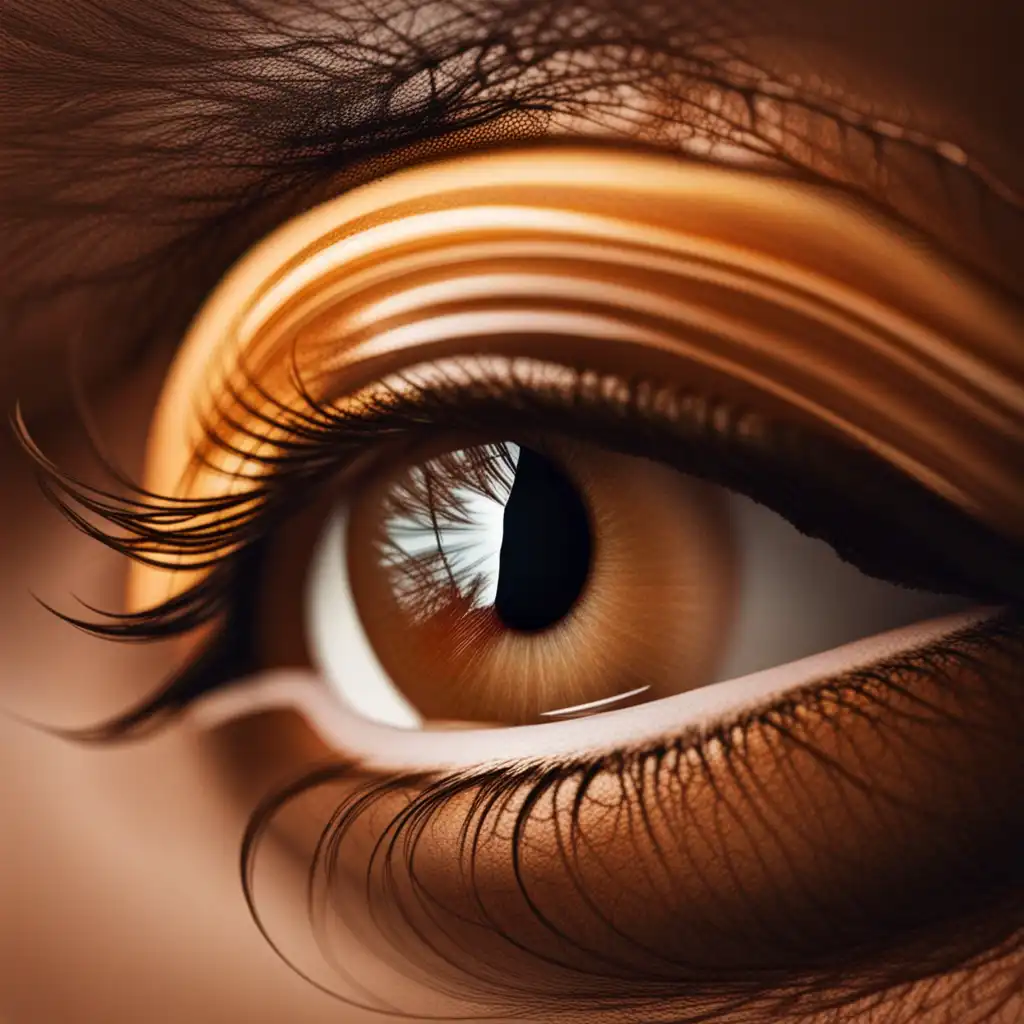
In biology, a molecule that absorbs certain wavelengths of visible light and gives color to tissue.
Melanin is the pigment that gives human skin, hair, and eyes their color.
ˈpɪɡmənt
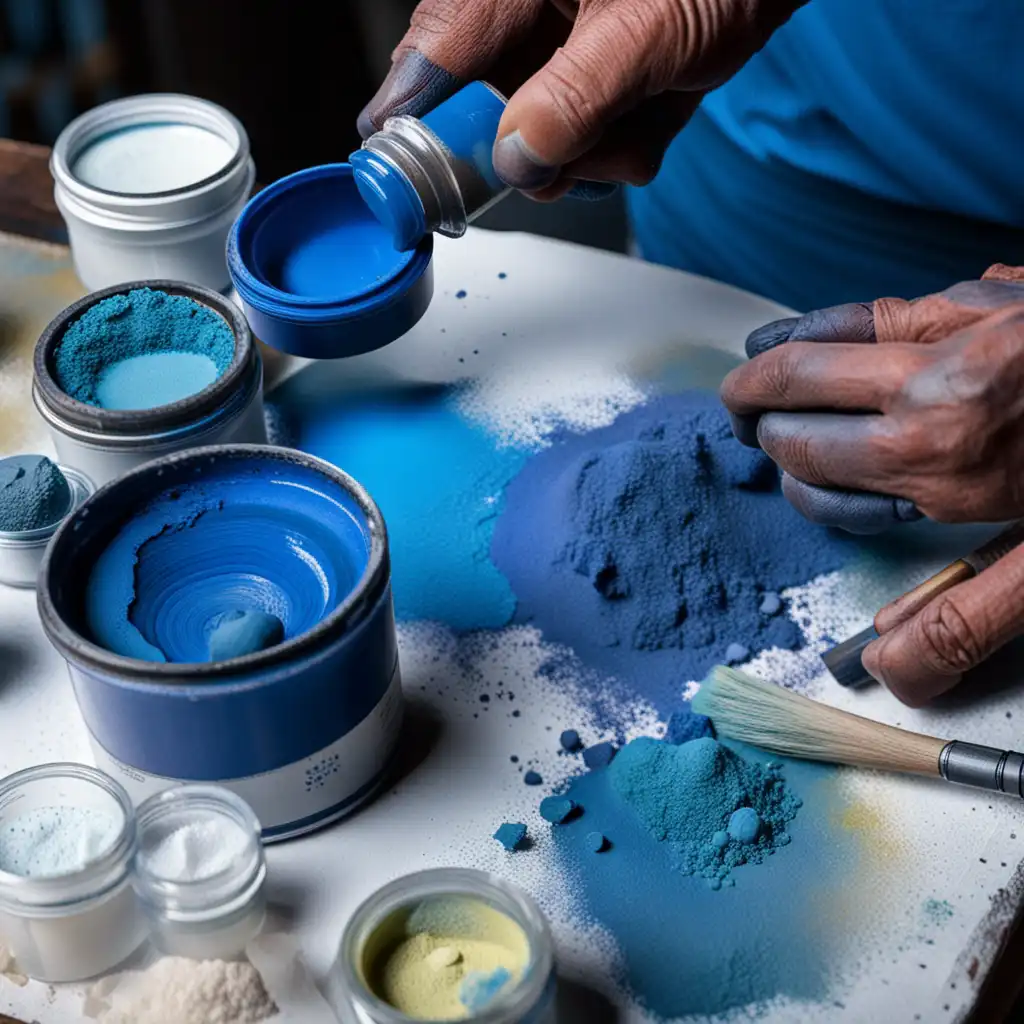
In art, a dry colorant, usually an insoluble powder which when mixed with oil, water or another fluid, becomes paint, ink, etc.
She mixed various pigments to create the perfect shade of blue for her painting.
Impossible de charger l’audio. Réessayez plus tard.
The word 'pigment' refers to a substance that gives color to something. For example, the color of our skin, hair, and eyes come from natural pigments in our bodies. In art, pigments are used to color paints, dyes, and other mediums. Pigments are also used in industries like cosmetics and food coloring to give products their color.
Dye and pigment are both used to add color to something.
Dye is a liquid that is absorbed by a material, like cloth or hair. It chemically combines with the material to change its color.
Dye is used for things that need long-lasting or intense color, like clothes or hair.
Ouvrir le mot: Dye →Hue refers to the actual color of something, while pigment is the substance that gives something its color. So for example, a red apple has a red hue, but that hue is created by the pigments in the apple's skin.
Hue is usually used when talking about color itself, while pigment is used when talking about the physical substance that creates color.
Ouvrir le mot: Hue →Ink and pigment are related, but different substances. Ink refers to a liquid that is used for writing or printing, typically made up of dye or pigment that is dissolved or suspended in a solvent.
Pigment refers to a colored substance that is used to give color to ink, paint, or other materials. Ink is the liquid that contains pigment and is used for writing or printing, while pigment is the colored substance that gives ink its color.
Ouvrir le mot: Ink →Paint refers to a mixture of pigments, binders, and solvents used to create color and protect or decorate surfaces.
Pigment is simply the colored substance that gives paint its color.
Pigments can come from natural sources (such as minerals or plants) or be synthetic, but they are typically finely ground powders that are mixed with other ingredients to create paint.
You would use the word pigment when talking about the specific colored substance, while the word paint would be used when discussing the mixture of pigments that can be applied to a surface.
So, for example, you might say that a particular paint contains a variety of pigments to create a specific color, or that an artist used a certain pigment to create a particular shade in their painting.
Ouvrir le mot: Paint →Pigment refers to a substance that gives color to something, like a pigment in paint. Pigmentation refers to the natural coloring of an organism, such as skin, hair or eyes.
The term pigment is often used in the context of art or colorants, while pigmentation describes the natural coloring of living organisms.
For example, a painter might mix various pigments to create a specific color for a painting, while a biologist might study the pigmentation of animals to understand their adaptation to different environments.
Ouvrir le mot: Pigmentation →Pigment refers to the color of something, while shade refers to the darkness or lightness of a color. Pigment is applicable when talking about the actual color of an object, like the pigment in paint or makeup.
Shade is applicable when talking about variations within a color, like a lighter or darker shade of blue.
Essentially, pigment is the color itself, while shade refers to how much black or white is added to the color to make it lighter or darker.
Ouvrir le mot: Shade →Pigment and stain are both used to add color, but the difference is in how they affect the surface they are applied to.
Stains penetrate the surface and can alter its color, texture, and transparency. They are used to add color to wood, fabric, and other porous materials.
So, in short, pigments are used to add color to surfaces without changing their properties, while stains are used to alter the color and texture of more porous materials.
Ouvrir le mot: Stain →Tint refers to a lighter and more subtle version of a color. It is created by adding white or another light color to the original color, which makes it more transparent and allows some of the original color to show through.
In simpler terms, pigment is used to completely change the color of something, while tint is used to slightly alter the color without completely covering it up.
Pigments are typically used in things like paint or dye, while tints are often used in makeup or color-correcting products.
Ouvrir le mot: Tint →What makes tattoos...
Voir sur YouTube ↗My mother was my first and most important influence. When I was a little girl, she would take me shopping for pigments that flattered dark skin tones, mixing and playing until she'd created her ideal shade.
Top 5 Animal Adaptations...
Voir sur YouTube ↗My mantra is, 'Don't be afraid of color.' What did it do to you? Do a color testing in alternate kinds of light you desire in the room because the pigment will change. And I refuse to believe that pale pale or white colors in a small room will buy you more square footage. Go with color all the way.
An Accidental Case of...
Voir sur YouTube ↗We have more patents on pigmented inks than anybody else.
How CRISPR lets us edit...
Voir sur YouTube ↗The idea of being close to where pigments were mined - that's the first thing in making a painting, getting the material. And what's the last thing you do in making a painting? You put a frame around it.
Understanding the colors...
Voir sur YouTube ↗Honestly, I can't survive without my MAC gloss, pigment - sometimes MAC powder. But definitely my gloss and pigment and liner. I don't do mascara all the time. I do when I wear no lashes. I use the mascara, but when I wear lashes, I don't always do mascara, because it makes it real heavy sometimes.
The twisting tale of DNA...
Voir sur YouTube ↗I always have lipstick, and use the same lipstick for my cheeks as blush, so that it looks very natural. It's a good trick I learned from my mother. I like NYX or MAC because they have a lot of pigment and they're matte.
Could we survive...
Voir sur YouTube ↗As well as tasting fantastic, blackberries are good for you. Anthocyanin isn't just a pigment, it's a flavonoid, a heroic antioxidant! The stuff of superfoods!
Budgie Courtship Ritual...
Voir sur YouTube ↗I knew exactly what I was, and there was no hang-up with me. None whatsoever. The fact that the pigment of my skin maybe being lighter brown than other people of my race, maybe some of them, but you know our race has all colors.
This Platypus Can Glow...
Voir sur YouTube ↗Separation penetrates the disappearing person like a pigment and steeps him in gentle radiance.
Mysteries of vernacular:...
Voir sur YouTube ↗I had the opportunity of making necropsies on patients dead from malignant fever and of studying the melanaemia, i.e., the formation of black pigment in the blood of patients affected by malaria.