
abridge
verb abridge
əˈbrɪdʒ
To make shorter in words, while keeping the essential features, expounding the matter more briefly.
She abridged the lengthy manuscript by removing the irrelevant sections.
abridge
əˈbrɪdʒ
加载中…
əˈbrɪdʒ
To make shorter in words, while keeping the essential features, expounding the matter more briefly.
She abridged the lengthy manuscript by removing the irrelevant sections.

əˈbrɪdʒ
To shorten by omitting parts or details.
The judge ordered to abridge the statement to remove the non-factual information.
əˈbrɪdʒ
To diminish, as in extent, quantity, duration, power, etc.
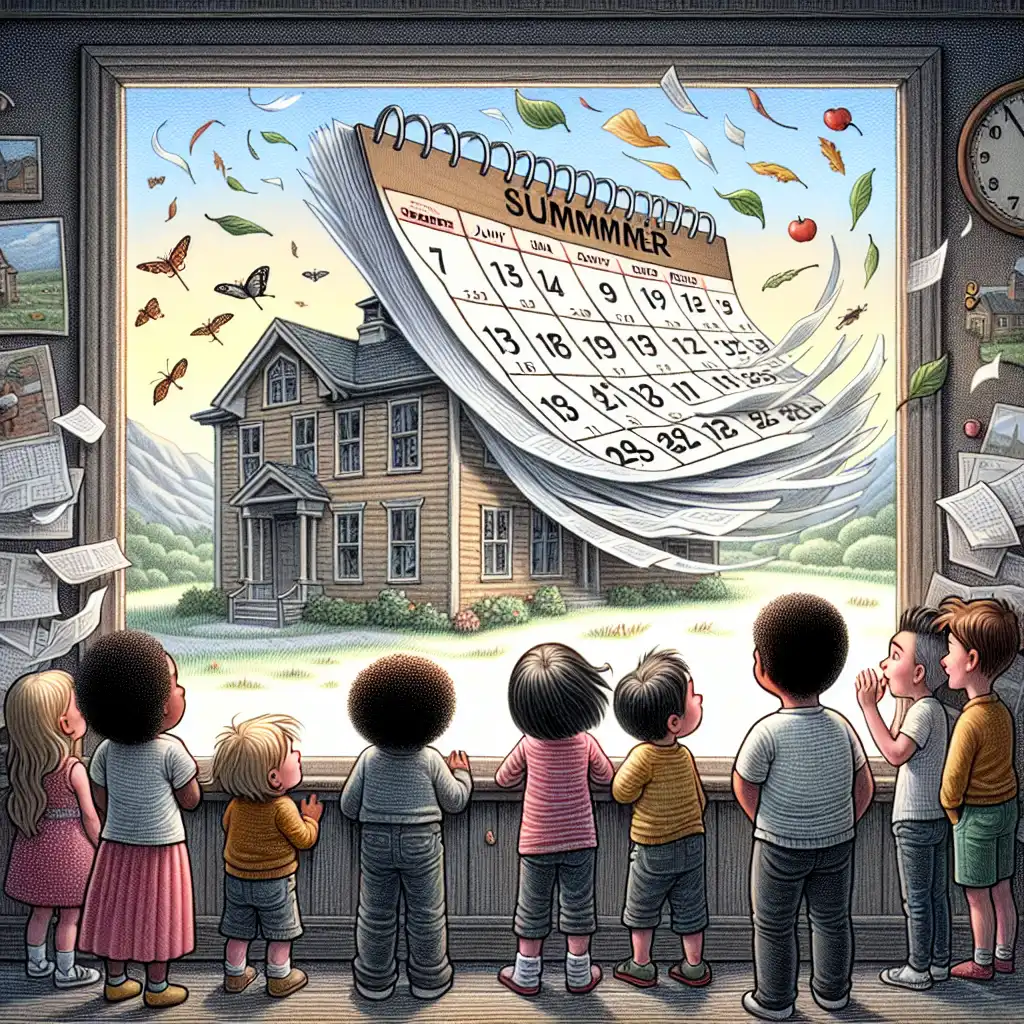
The school abridged the summer vacation due to the pandemic.
音频无法加载,请稍后再试。
The word 'abridge' means to shorten or condense something, usually a book, speech, or other piece of writing. It is used when you have a long piece of text and want to make it shorter while still retaining the important parts. For example, if you have a long novel but need to give a quick summary to your friend, you might abridge the story by only telling them the key plot points instead of explaining every detail. Abridging can also be done to speeches or presentations in order to make them more concise and to the point.
Abbreviate means to shorten a word or phrase using its initial letters. For example, "United States of America" can be abbreviated as "USA.".
Abbreviate is used to shorten a word or phrase with its initial letters, while abridge is used to reduce the length of a text or book while keeping its essential meaning intact.
打开单词: Abbreviate →Compress means to flatten or reduce the size of something physically.
It can also mean to make something shorter, but not necessarily by removing any important parts. For example, a compressed file is a smaller version of a larger file, but it still contains all of the information.
Abridge is applicable when you want to shorten something while retaining its essence, such as a book or speech. Compress is applicable when you want to reduce the physical size of something or make it smaller, such as a file or object.
打开单词: Compress →Both abridge and condense mean to make something shorter, but abridging means to reduce the length of a text by keeping only important parts, while condensing means to reduce the length of a text by summarizing its content.
Condensing is useful when you need to present the main idea or essence of a longer text in a shorter form. For example, a summary of a news article or research paper is a condensed version that presents the most important information in a concise way.
In summary, abridging means to cut down a text by keeping only important parts while condensing involves reducing a text by condensing its content to its main idea.
打开单词: Condense →Both abridge and curtail refer to shortening or reducing something, but there is a slight difference in meaning.
Curtail means to cut off or reduce something by removing some part of it. For example, a budget may need to be curtailed by cutting certain expenses.
Abridge implies shortening without significantly altering the content, while curtail implies reducing or cutting out parts of something to make it smaller or less than it was before.
打开单词: Curtail →Cut on the other hand, simply means to remove or reduce the size of something.
It can be used in various contexts such as cutting hair, cutting a cake or cutting down a tree.
Abridge implies a careful editing or condensing while preserving the essence of the original, while cut is more general and refers to simply removing or reducing something.
打开单词: Cut →Reduce means to make something smaller in size, quantity, or degree. This is a useful word when you want to decrease the amount of something, without necessarily keeping all the important parts.
Both words can describe similar actions, but abridge tends to suggest a more deliberate and thoughtful process of condensing something, while reduce tends to suggest a more simple and straightforward process of making something smaller.
打开单词: Reduce →Shorten means to reduce the length or duration of something, by either removing or compressing it.
Both words refer to reducing the length of something, but abridge suggests a more careful and strategic reduction of content, while shorten implies a more straightforward reduction of length without necessarily preserving the original structure or meaning.
Abridge is more applicable in contexts where the focus is on maintaining the essence and message of a longer piece, while shorten is more applicable in contexts where the focus is on simply making something shorter, such as shortening a piece of text or a runway.
打开单词: Shorten →Abridge and truncate both mean to make something shorter, but they are typically used in different contexts.
Truncate usually refers to cutting off or reducing something physical or abstract to a shorter length or duration. For example, a company might truncate its production schedule due to budget cuts.
Abridge is typically used to make a written or spoken work shorter while maintaining its core elements, while truncate is used to cut off or reduce something physical or abstract to a shorter length or duration.
打开单词: Truncate →Taryn Simon photographs...
在 YouTube 上观看 ↗Each state, so that it does not abridge the great fundamental rights belonging, under the Constitution, to all citizens, may grant or withhold such civil rights as it pleases; all that is required is that, in this respect, its laws shall be impartial.
The myth of the gay...
在 YouTube 上观看 ↗I believe there are more instances of the abridgement of freedom of the people by gradual and silent encroachments by those in power than by violent and sudden usurpations.
In the U.S., free speech and the press are protected by the First Amendment. It has a clarity unmatched by modern legislators and declares that 'Congress shall make no law... abridging the freedom of speech, or the press.
When I'm going to see a comedian, I don't want to see them hold back, and when I'm reading a book, I don't want to hear an abridged version.
In the past, those who had ideas they wished to communicate to the public had the unquestioned right to disseminate those ideas in an open marketplace, called a mall, we should not abridge that right.
Being persons, then, women are citizens; and no state has a right to make any new law, or to enforce any old law, that shall abridge their privileges or immunities.
If all our agents would abridge their speeches one half, I am satisfied the effect produced would be much greater. The 'art of leaving off' at the right time, and in the right place, is one of the most difficult things to learn.
If you're going to abridge a book in the author's own words, you can't go sticking your own in.
Some of us find our lives abridged even before the paperback comes out.
At each increase of knowledge, as well as on the contrivance of every new tool, human labour becomes abridged.