surcoat
noun surcoat
ˈsɜːrkəʊt
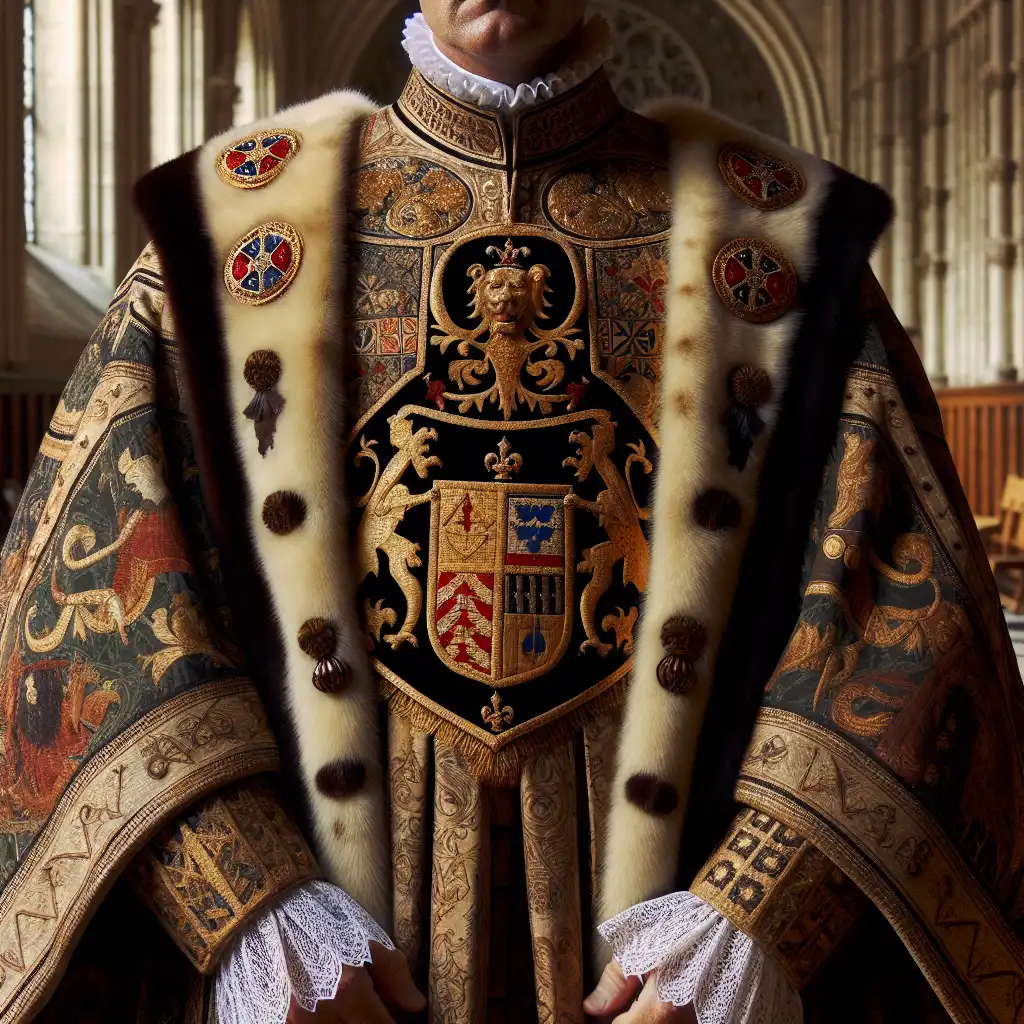
A coat worn on top of other clothing in the past, often having the wearer's coat of arms.
In the medieval themed play, the king was seen wearing a luxurious surcoat.
surcoat
ˈsɜːrkəʊt
Cargando…
ˈsɜːrkəʊt
A coat worn on top of other clothing in the past, often having the wearer's coat of arms.
In the medieval themed play, the king was seen wearing a luxurious surcoat.
ˈsɜːrkəʊt
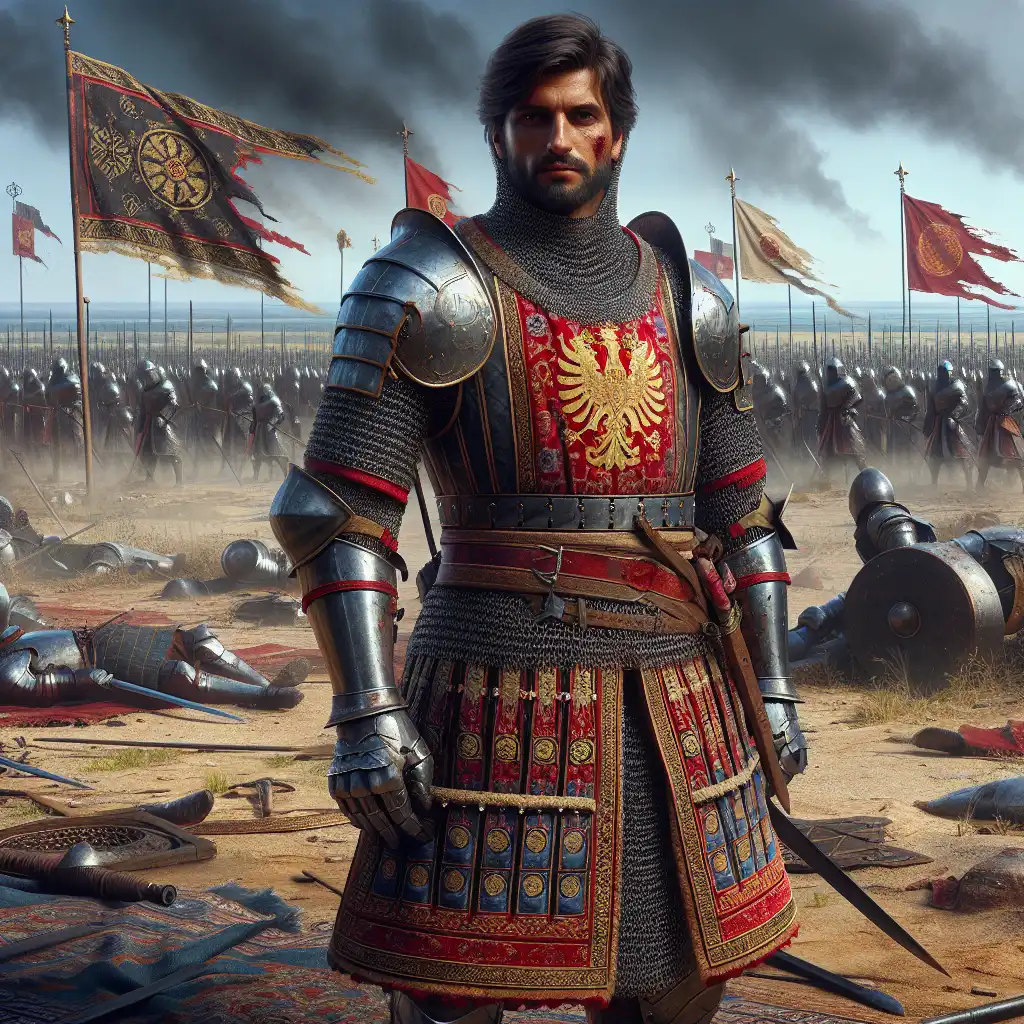
A loose, sleeveless coat worn over armor for identification in battle.
The knight distinguished himself on the battlefield through his vibrant surcoat.
No se pudo cargar el audio. Inténtalo de nuevo más tarde.
A surcoat is a type of outer garment that was worn in medieval times. It was usually made of heavy fabric and worn over armor or other clothing to protect the wearer from the elements. The surcoat was often decorated with the coat of arms or other symbols of the person wearing it. Today, the word "surcoat" is not commonly used in everyday conversation, but it may still be used in historical or literary contexts.
A blouse is a type of shirt that is typically worn by women.
It is often made of a lighter, more delicate material and can be worn for both casual and formal occasions. Blouses come in many different styles and can be tailored to fit the wearer’s body.
A blouse is a type of shirt worn by women while a surcoat is a type of garment worn by medieval knights.
Abrir palabra: Blouse →A coat is a type of outerwear worn over clothes to keep warm.
It can be made of various materials such as wool, leather, or polyester and comes in different styles such as peacoats or raincoats. It is worn in everyday settings.
A surcoat is a type of medieval outer garment worn over armor to protect it from the sun and rain. It was often made of wool or linen and had a slit at the front and back for ease of movement.
Abrir palabra: Coat →A garment is a general term for any article of clothing that covers the body.
A surcoat is a specific type of garment that was worn during medieval times. It is a long, loose outer garment that was worn over armor or other clothing.
Abrir palabra: Garment →A robe is a loose-fitting garment that is usually worn for comfort or relaxation, and it typically covers the entire body.
A robe is a comfortable, loose-fitting garment for everyday wear, while a surcoat is a type of protective outer garment that was worn over armor in medieval times.
Abrir palabra: Robe →A smock is a loose-fitting garment worn over clothing to protect it from dirt or damage during work.
In modern times, surcoat is sometimes used to refer to a long loose-fitting coat. Smock is applicable in work settings to protect clothing, while surcoat is applicable in historical settings or as a fashion item.
Abrir palabra: Smock →A surcoat and a tabard are both sleeveless garments worn over armor in medieval times.
A tabard is a shorter garment that reaches the hip, usually made of lighter fabric like silk or velvet. It was also worn over armor to protect it, but was often more decorative, with embroideries or designs.
Tabards had slits on the sides and front, allowing the wearer to move their arms freely in battle.
In modern times, both words are sometimes used interchangeably to refer to any sleeveless garment worn over clothing, but historically a surcoat and a tabard had distinct characteristics and uses.
Abrir palabra: Tabard →A tunic is a basic garment that has been worn throughout history. It is a simple, loose-fitting shirt or dress that typically reaches to mid-thigh or knee-length.
Tunics can be made of various fabrics and can be worn for everyday use or for special occasions.
A surcoat is a specific type of garment that was primarily worn by knights during the medieval period, while a tunic is a general term for a loose-fitting shirt or dress that has been worn throughout history.
Abrir palabra: Tunic →A vestment is a garment that is worn by a religious leader during ceremonies or religious services.
A surcoat is used as a battle uniform, while a vestment is used during religious ceremonies.
Abrir palabra: Vestment →