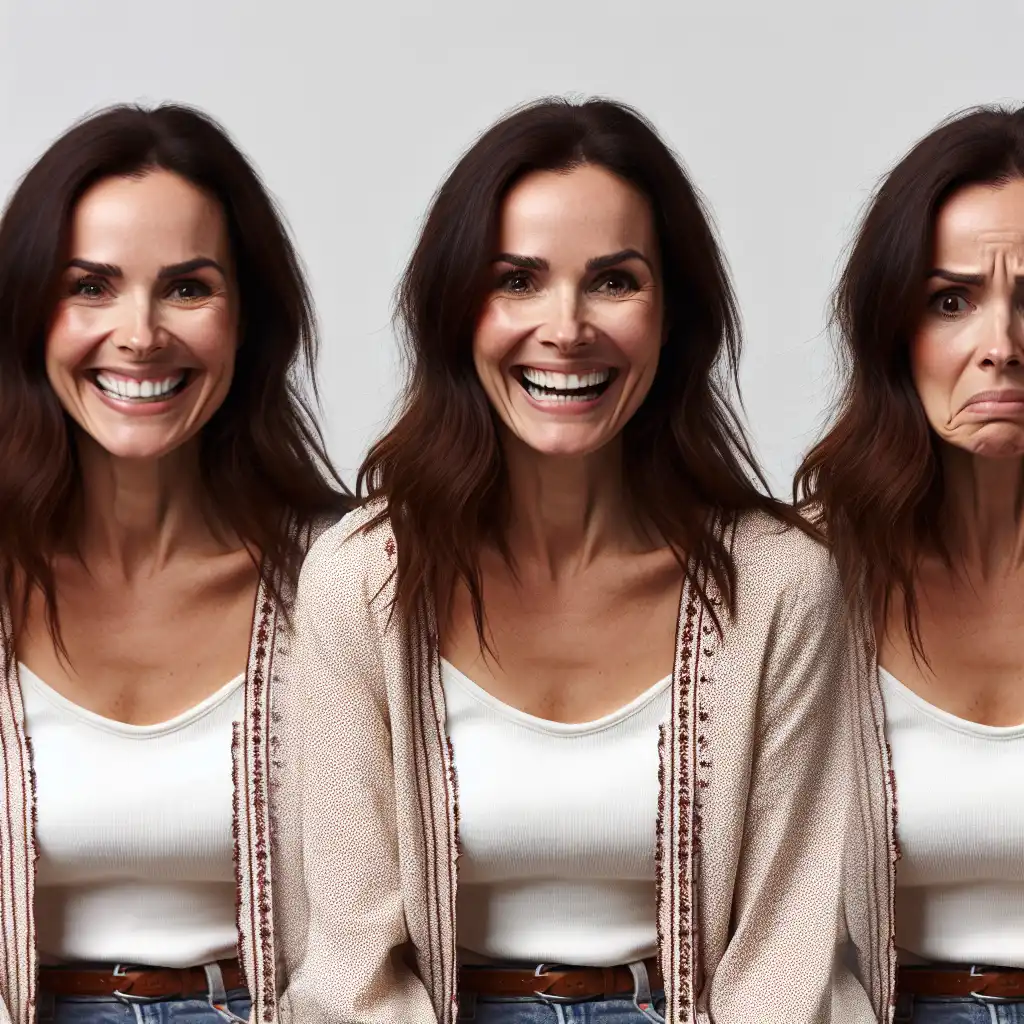
countenance
noun countenance
ˈkaʊntənəns
the expression on a person's face
Her countenance fell when she heard the bad news.
countenance
ˈkaʊntənəns
लोड हो रहा है…
ˈkaʊntənəns
the expression on a person's face
Her countenance fell when she heard the bad news.

ˈkaʊntənəns
support or approval
He gave his countenance to the plan.
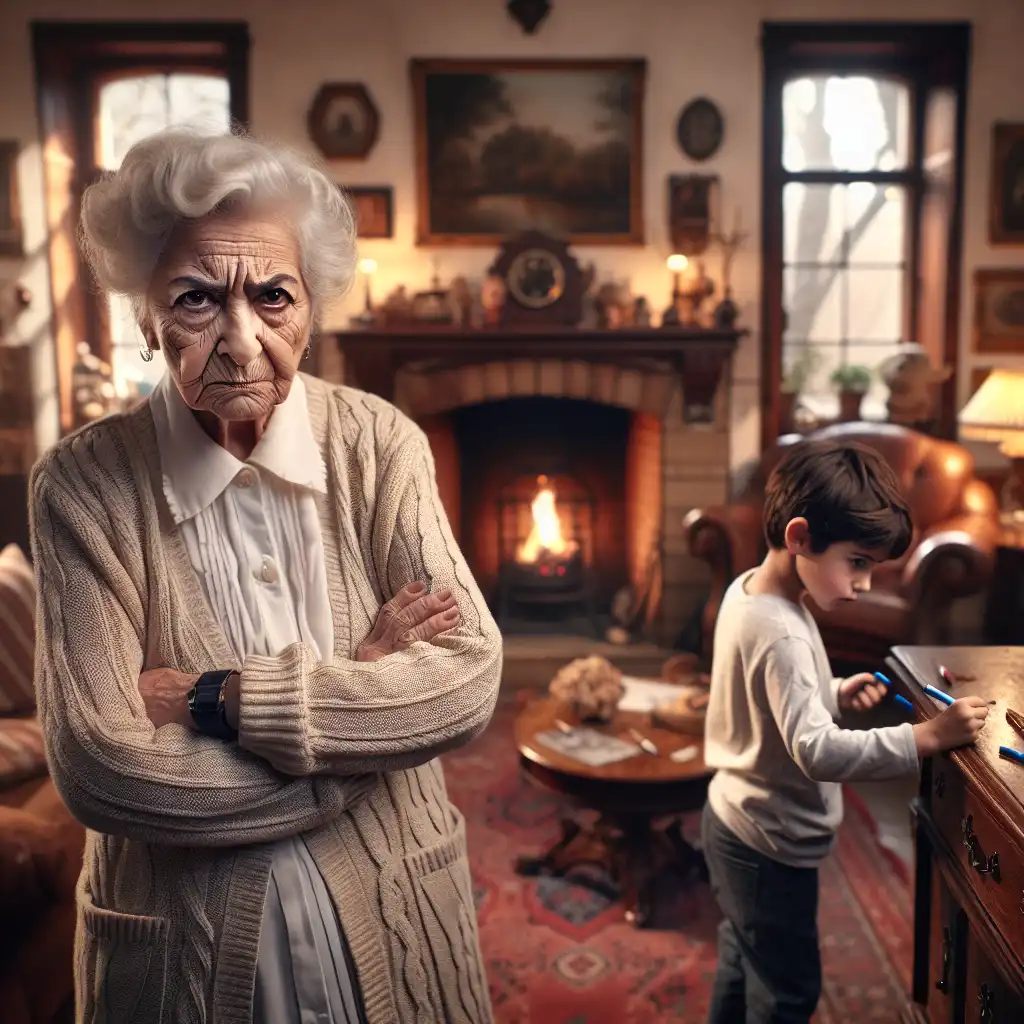
ˈkaʊntənəns
to permit or tolerate
I won't countenance such behavior in my house.
ऑडियो लोड नहीं हो सका। कृपया बाद में फिर कोशिश करें।
The word 'countenance' can mean a person's face or facial expression. For example, if someone has a sad countenance, it means their face looks sad. It can also mean the approval or support shown by someone through their facial expression or body language. For instance, if your boss gives you a look of countenance, it means they approve of what you are doing. You may use the word 'countenance' in formal writing or speech, such as in business or academic contexts. However, it's not very common in everyday conversation.
Appearance refers to the way a person or thing looks, such as their clothes, hair, or physical features.
Appearance describes the overall look of something while countenance refers specifically to a person's facial expression.
शब्द खोलें: Appearance →Aspect refers to the appearance or particular feature of something, such as the external appearance of an object or the way something appears to us.
For example, the aspect of a flower could be its size, color, or shape.
Both words can describe the appearance of something, but aspect is more commonly used when referring to non-human objects or features, while countenance describes a person's appearance or character.
शब्द खोलें: Aspect →Demean refers to a person's behavior or attitude towards others. For example, if someone has a rude or disrespectful demean, they might say or do things that are hurtful or inappropriate.
शब्द खोलें: Demean →Countenance refers to a person's face or facial expression, especially when indicating one's mood or emotions. It is applicable when describing someone's overall demeanor or the way they hold themselves.
Expression refers to the specific facial movements, such as the raising of eyebrows or the curling of lips that indicate a particular mood or feeling.
It is applicable when describing a person's more specific reactions or emotions. For example, a happy expression indicates joy or pleasure.
Countenance refers to one's overall facial appearance, while expression refers to a specific facial movement or emotion.
शब्द खोलें: Expression →Countenance and face are both terms used to refer to the appearance of a person's head or facial features, but they have slightly different meanings.
It can describe someone's general attitude, mood or emotional state that is reflected on their face.
Face refers to the entire front part of a person's head that includes their forehead, nose, mouth, eyes and ears.
Countenance refers to a person's facial expression or demeanor, while face refers to a person's physical features or appearance.
शब्द खोलें: Face →Countenance refers to a person's facial expression or the way they look.
Look simply refers to the act of directing one's eyes towards something or someone.
Countenance refers to a person's overall appearance and expression, while look simply refers to the act of directing one's eyes towards something.
शब्द खोलें: Look →Both countenance and mien refer to a person's facial expression or appearance, but there are some differences in their usage.
Mien is more specific to a person's bearing or demeanor, especially in terms of attitude or personality. It might be used to describe someone's confident or regal appearance, for example.
For example, "The king's formidable mien inspired loyalty and respect among his subjects."
Countenance is broader and can refer to approval or lack thereof, while mien is more specific to a person's bearing or demeanor.
शब्द खोलें: Mien →Visage, on the other hand, typically refers to a person's physical appearance or features. It's more concrete and specific than "countenance." For example, you might say that someone has a beautiful visage, meaning they have attractive facial features.
Countenance emphasizes a person's emotional and behavioral state, while visage emphasizes their physical features.
शब्द खोलें: Visage →I'm serious. And they have these infrared devices that can look at their countenance, and see a fraction of a degree Kelvin in temperature shift
YouTube पर देखें ↗The habits of life form the soul, and the soul forms the countenance.
that a cataclysmic meteor impact were volcano left few survivors with little competition and plenty of room to grow another says that his countenance drifted apart the climate became more favorable to plant life the resulting
YouTube पर देखें ↗A merry heart maketh a cheerful countenance.
an art conservator discovered that it was from that era— It had just undergone drastic changes in recent centuries. Using x-ray technology they peered under the outer surface of paint and saw the countenance of a completely different woman. Essential parts of the painting had been modified
YouTube पर देखें ↗I leave to others the decision as to the good or evil tendencies of my character, but such as it is it shines upon my countenance, and there it can easily be detected by any physiognomist.
Our communications reflect in our countenance. Therefore, we must be careful not only what we communicate, but also how we do so. Souls can be strengthened or shattered by the message and the manner in which we communicate.
I feel there's a power in theatre, but it's an indirect power. It's like the relationship of the sleeper to the unconscious. You discover things you can't afford to countenance in waking life. You can forget them, remember them a day later or not have any idea what they are about.
One thing I struggled with early in my career was the delicate balance between my performance and my identity. When things on the field went well, I was cheerful and felt important. When things went poorly, my countenance and self-concept plummeted, and I was not pleasant to be around.
Physically, I've seen a change in my life. No, I haven't had a face lift or anything like that. I've grown. That's God's countenance.
You don't carry in your countenance a letter of recommendation.
The countenances of children, like those of animals, are masks, not faces, for they have not yet developed a significant profile of their own.
Your smile will give you a positive countenance that will make people feel comfortable around you.