
vacuity
noun vacuity
vəˈkjuːəti
the state of being empty or without contents
The vacuity of the room was almost unsettling.
vacuity
vəˈkjuːəti
불러오는 중…
vəˈkjuːəti
the state of being empty or without contents
The vacuity of the room was almost unsettling.

vəˈkjuːəti
lack of intelligence, dullness or empty-mindedness
His comments revealed a vacuity of thought.

vəˈkjuːəti
a pause or break in continuity or activity
There was a strange vacuity in our conversation.
vəˈkjuːəti
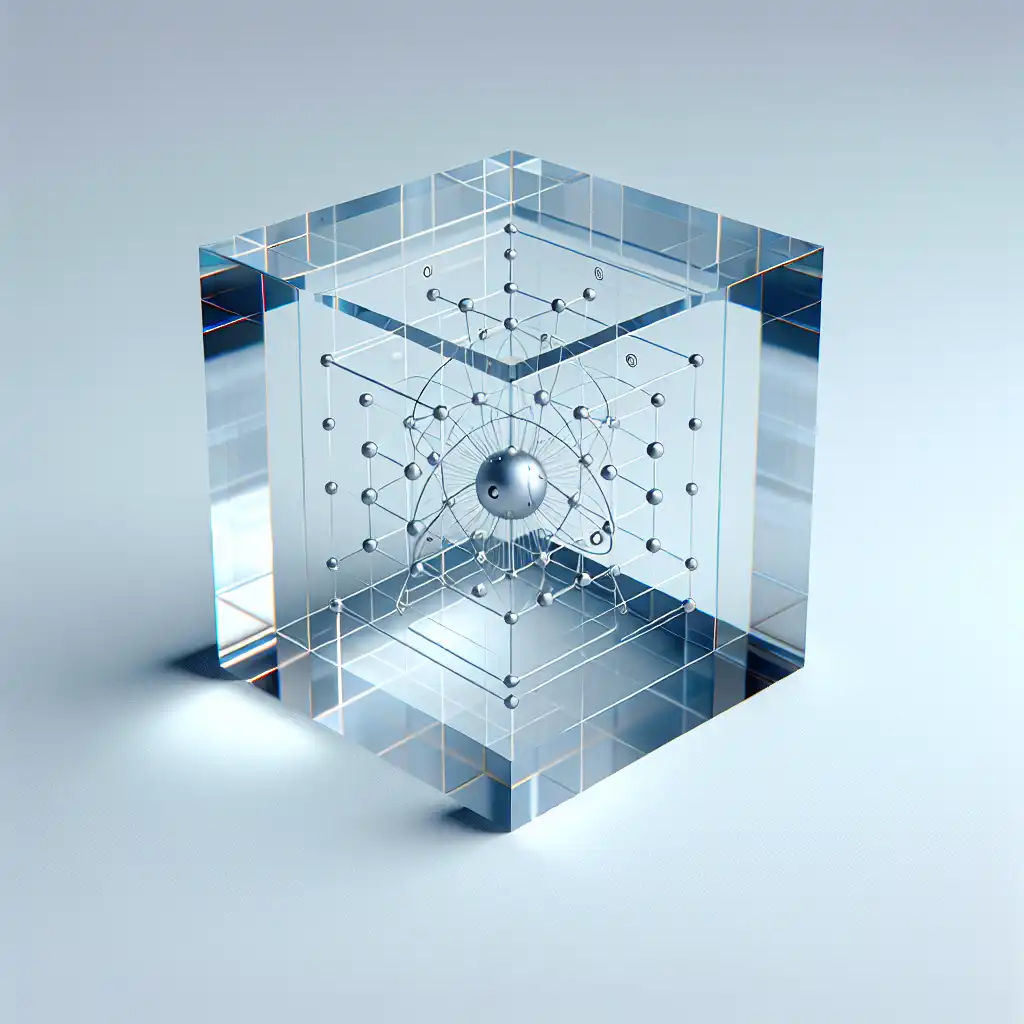
a vacuum or empty space within a solid object
The crucial phenomenon is the creation of electron-hole pairs in the vacuity.
오디오를 불러오지 못했어요. 잠시 후 다시 시도해 주세요.
The word 'vacuity' means emptiness or lack of intelligence or substance. It can be used to describe a space that is empty or a person who is lacking in intelligence. For example, “The room was filled with a vacuity that made her uncomfortable” or “The politician's speech was full of vacuity, lacking any concrete plans for improving the economy.” It is a more technical or literary term and may not be commonly used in everyday conversation.
Both words refer to a lack of something, but absence is used when something that was there is now missing, while vacuity refers to an emptiness or void.
Absence refers to the absence of a specific thing, while vacuity refers to a lack of substance or content.
단어 열기: Absence →Blankness refers to the state of being empty or devoid of any specific content, ideas, or emotions. This means that there is a lack of meaning or purpose in a certain situation.
Blankness describes a lack of specific content or emotions while vacuity describes something that lacks substance or value.
단어 열기: Blankness →Both emptiness and vacuity generally refer to a lack of substance or content in something.
Emptiness usually connotes a sense of being devoid of meaning, purpose, or value. For example, you might feel a sense of emptiness after watching a movie that you found really unsatisfying, or you might describe a goal or achievement as empty if it ultimately feels hollow or unfulfilling.
Emptiness can also refer to a physical space that is unoccupied or empty of objects.
Emptiness is more likely to be used to describe abstract or subjective experiences, while vacuity is more likely to be used to describe objective or tangible phenomena.
단어 열기: Emptiness →Both words refer to an empty space, but hollow implies that there is a space within an object or substance, while vacuity implies a complete absence of anything within a space.
For example, a pumpkin is hollow because it has an empty space inside it, while a vacuum-sealed bag has a vacuity because there is no air or substance inside it.
Hollow is more commonly used to describe physical objects that have an empty space within them, while vacuity is used more often to describe abstract concepts or empty spaces in a more general sense.
단어 열기: Hollow →Both nothing and vacuity refer to a lack of something, but nothing is used when there is no thing, whereas vacuity is used when there is no substance or contents in a space.
For example, if a room is empty and there are no objects inside, we would say there is nothing in the room.
Nothing is a more general term for the absence of anything, while vacuity specifically refers to a space that is empty of matter.
단어 열기: Nothing →Space generally refers to an area or volume that is available for something to exist or take place. For example, outer space, physical space between two objects, or a designated space for a specific activity.
In simpler terms, space refers to a physical area while vacuity refers to the lack of substance or meaning. Space is applicable in the context of physical things, while vacuity is more commonly used in a metaphorical sense.
단어 열기: Space →Vacancy means an empty space or a job that is available to be filled by someone. For example, "There is a vacancy in the position of receptionist." or "The hotel has a vacancy for two nights.".
Vacancy describes an empty space or available job while vacuity describes emptiness or lack of thought.
단어 열기: Vacancy →Both vacuity and void refer to emptiness, but they have slightly different meanings.
Void, on the other hand, refers to an absence of something that should be present. This could be a physical absence, such as a void in a tooth where the filling has fallen out, or a legal or social absence, such as a void in a contract or a void marriage.
Vacuity refers to a complete lack of substance or presence, while void refers to an absence of something that should be there.
단어 열기: Void →Why does the universe...
YouTube에서 보기 ↗But the universe, as a collection of finite things, presents itself as a kind of island situated in a pure vacuity to which time, regarded as a series of mutually exclusive moments, is nothing and does nothing.
Once you fully apprehend the vacuity of a life without struggle, you are equipped with the basic means of salvation.
When the Senate ceases to engage nominees in meaningful discussion of legal issues, the confirmation process takes on an air of vacuity and farce, and the Senate becomes incapable of either properly evaluating nominees or appropriately educating the public.
A lot of times you see really good-looking guys on TV and you sort of assume that maybe there's some sort of vacuity behind them.
It is an intellectual and moral vacuity that has crippled what the World Social Forum's founders sincerely hoped would produce some sort of democratic alternative to what they saw as the heartless corporate model of globalization.