anode
noun anode
ˈænəʊd
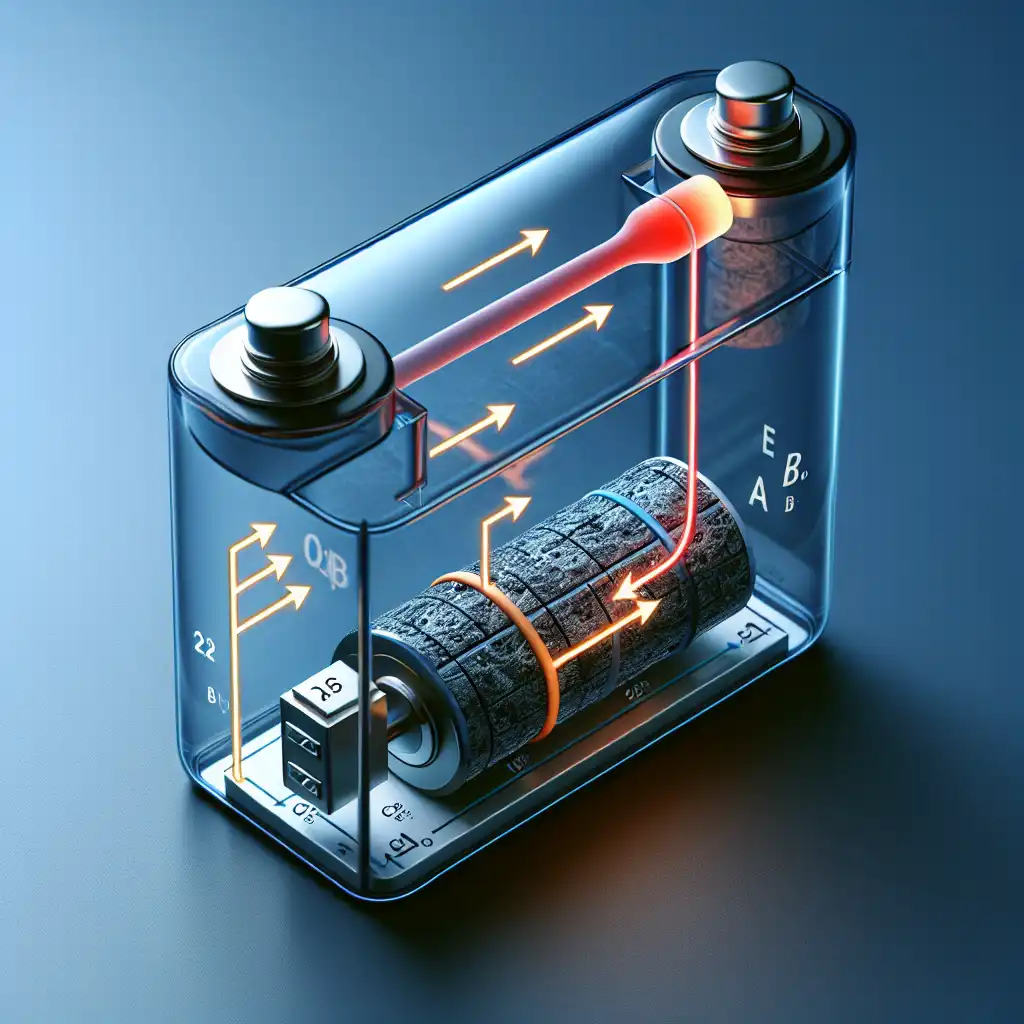
In a battery or a cell, the anode is the positive terminal where the current flows in from outside.
In a dry cell, carbon rod acts as the anode.
anode
ˈænəʊd
लोड हो रहा है…
ˈænəʊd
In a battery or a cell, the anode is the positive terminal where the current flows in from outside.
In a dry cell, carbon rod acts as the anode.

ˈænəʊd
In an electrolytic cell, the anode is the electrode where oxidation occurs and electrons are lost.
During the process of electrolysis, the anode loses electrons.
ˈænəʊd
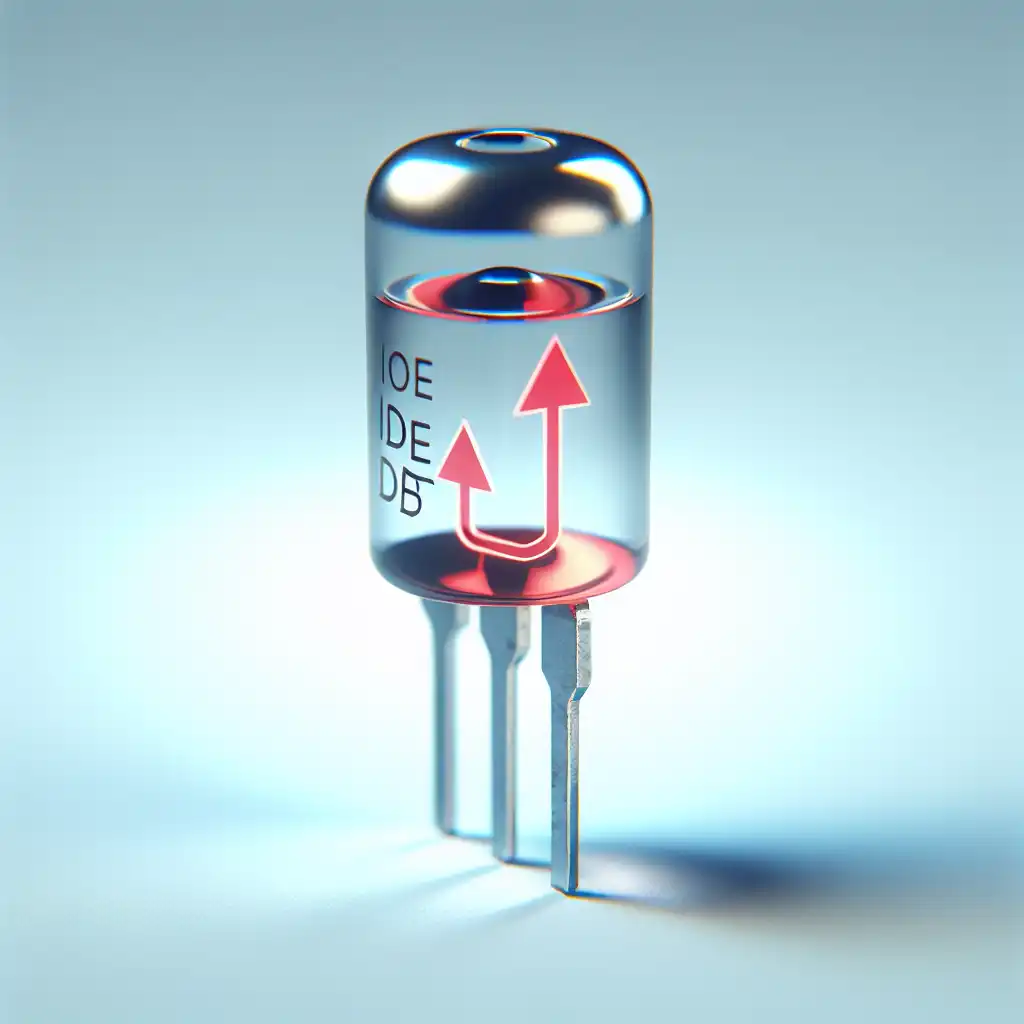
In electronics, an anode is a terminal on a semiconductor device, such as a diode or a transistor, where current enters.
In a diode, current flows from the anode to the cathode.

ˈænəʊd
An anode is a piece of metal that protects other metal from corrosion by attracting the corrosion to itself. It is commonly used in boats or underwater structures.
An anode rod is used in water heaters to prevent corrosion of the water tank.
ऑडियो लोड नहीं हो सका। कृपया बाद में फिर कोशिश करें।
An anode is a part in an electronic device that carries a positive electrical charge. It is used in batteries, like the ones in your phone or computer, to help generate electricity. You might also hear the word anode in chemistry, where it refers to the electrode that attracts positively charged particles during a chemical reaction. If you're studying electronics or chemistry, you'll likely encounter the word anode quite often.
12 sustainable design...
YouTube पर देखें ↗How transistors work -...
YouTube पर देखें ↗Reverse Electroplating %\PIPE%...
YouTube पर देखें ↗