numerator
noun numerator
ˈnuːməreɪtər
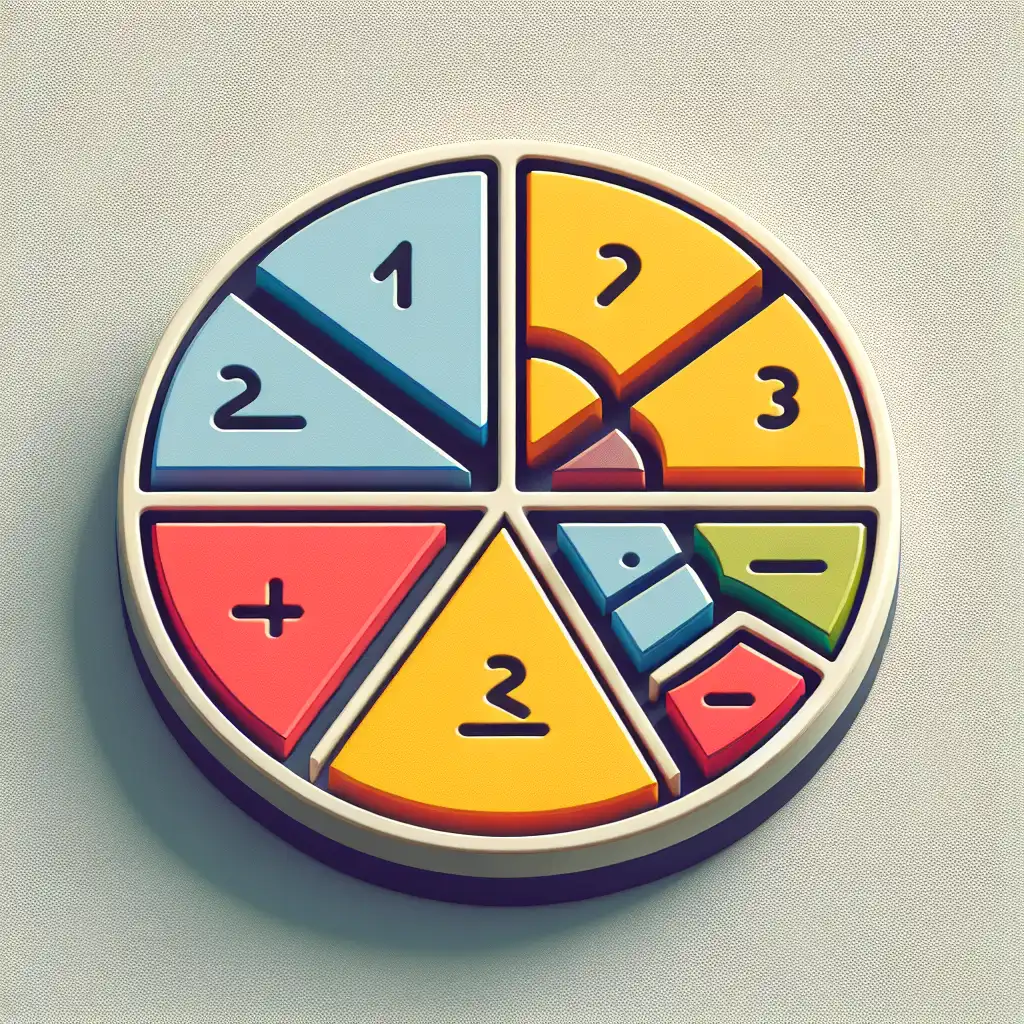
It is the number above the line in a fraction that is divided by the bottom number.
In the fraction 3/4, 3 is the numerator which is divided by 4.
numerator
ˈnuːməreɪtər
加载中…
ˈnuːməreɪtər
It is the number above the line in a fraction that is divided by the bottom number.
In the fraction 3/4, 3 is the numerator which is divided by 4.

ˈnuːməreɪtər
In an equation or in statistics, it is the part of a fraction that is divided by the bottom part.
In a ratio of odds against, the numerator represents the number of times the event will not occur.
音频无法加载,请稍后再试。
The numerator is a term used in math to describe the part of a fraction that is on top of the line. For example, in the fraction 3/4, the numerator is 3. It tells you how many parts of the whole you are dealing with. The numerator is important because it helps you compare different fractions and figure out how much of something you have.
Dividend refers to the amount of money that a company pays out to its shareholders as a reward for investing in the company.
This dividend payment is usually a portion of the company's profits that are distributed amongst shareholders. Numerator refers to the top part of a fraction, which is the number that represents the portion of the whole that is being considered.
Dividend is applicable in the context of investments and business decisions, and numerator is applicable in mathematical calculations.
打开单词: Dividend →The numerator is the top number in a fraction that represents the number of parts we are interested in. For example, in the fraction 3/4, the numerator is 3 and it tells us that we are interested in three out of four equal parts.
Top is simply a term used to refer to the upper part of something. It doesn't have a specific mathematical meaning like the numerator does.
The numerator is a specific term used in fractions to refer to the top number that represents the parts we are interested in, while top is a more general term that refers to the upper part of something.
打开单词: Top →Ray Anderson: The...
在 YouTube 上观看 ↗These Huge Rats Can...
在 YouTube 上观看 ↗The business logic of...
在 YouTube 上观看 ↗