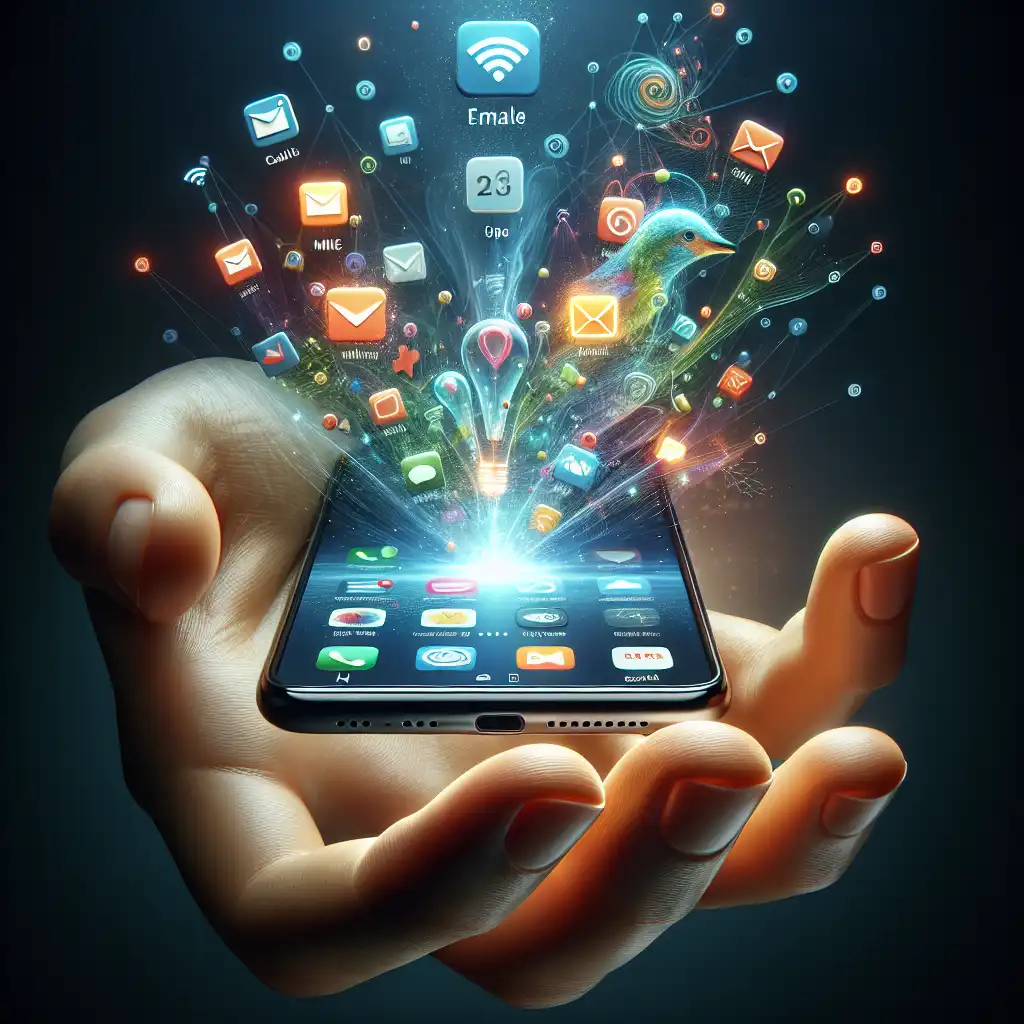
A mobile phone that performs many of the functions of a computer, typically having a touchscreen interface, internet access, and an operating system capable of running downloaded apps.
She uses her smartphone to check emails and browse the internet.
The term smartphone also refers to a handheld device that integrates mobile phone capabilities with the more common features of a handheld computer or PDA.
Smartphones run complete operating system software providing a platform for application developers.
ऑडियो लोड नहीं हो सका। कृपया बाद में फिर कोशिश करें।
उपयोग कैसे करें
A smartphone is a type of mobile phone that is designed to do many things besides just calling and messaging. These things include accessing the internet, taking photos, watching videos, playing games, and using various apps. You can use a smartphone to do almost anything that you can do on a computer. People use smartphones everywhere, such as at home, at work, on the go, or while traveling. The word "smartphone" is often used to refer to any type of mobile phone that is not a basic or feature phone.
A communicator is a device or person that is able to effectively convey information to others. This can include things like public speakers, news anchors, and teachers.
In everyday language, a communicator typically refers to a skilled or professional individual who is particularly effective at transmitting information or ideas to others.
A communicator is a person or device that is skilled in transmitting information, whereas a smartphone is a personal electronic device primarily used for communication but with other functions as well.
A smartphone is a computer - it's not built using a computer - the job it does is the job of being a computer. So, everything we say about computers, that the software you run should be free - you should insist on that - applies to smart phones just the same. And likewise to those tablets.
I think I'm the last generation that remembers life before the smartphone. I'm going to be one of them old geezers going, 'You know, when I was a kid, we used to play with sticks.
Look at smartphones. We are seeing growth almost like a barbell. You see lower-priced but high-volume growth in the developing world. But it ends up the average selling prices in the developing world are actually a lot higher than what people think.
The cloud-powered smartphone and tablet, as productivity tools, are transforming the world around us along with the implied changes in how we work to be mobile and more social.
We haven't evolved as loners, we need each other. It's easy to believe in the illusion of technology bringing us closer together. But if you were to protest that and say, 'I'm not going to use a smartphone, I'm not going to use email, I'm not going to use social media,' it's like you're no longer a part of humanity.
I know we're all addicted to our smartphones, and I'll say, if I forget my smartphone, I go home and get it. And so understanding how to integrate that technology into the driving experience, both the front seat and the passenger seat and the back seat, I think is very important.