bloodily
adverb bloodily
ˈblʌdɪli
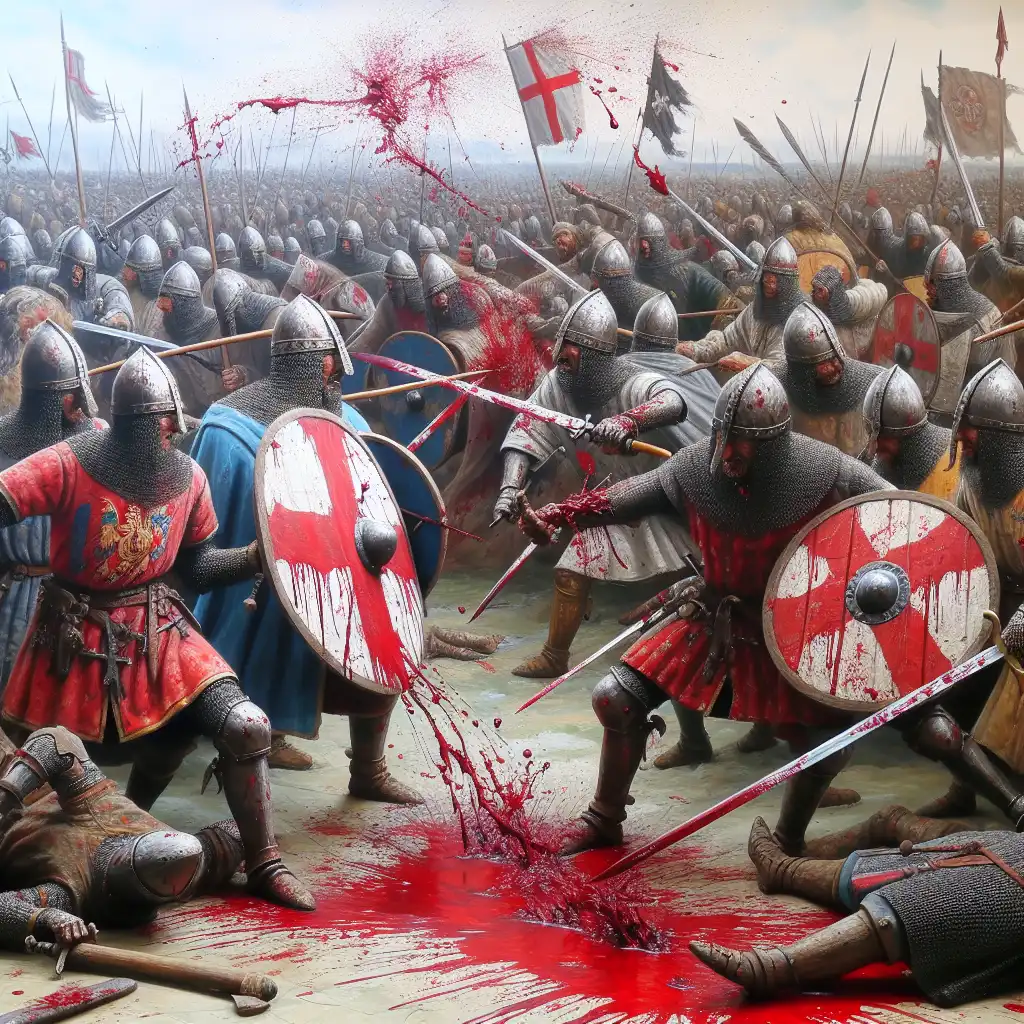
In a violent or cruel manner involving blood or killing.
The fight ended bloodily with several deaths.
bloodily
ˈblʌdɪli
Đang tải…
ˈblʌdɪli
In a violent or cruel manner involving blood or killing.
The fight ended bloodily with several deaths.

ˈblʌdɪli
Covered with blood or causing blood to flow.
He fell and cut himself, landing bloodily on the ground.
Không tải được âm thanh. Vui lòng thử lại sau.
The word 'bloodily' is used to describe something that involves a lot of blood or results in bloody injuries. It can be used in various contexts, such as describing a violent fight or a gruesome accident. For example, "The battle ended bloodily with many casualties" or "The car crash was bloodily gruesome." You should be careful when using this word as it can come across as graphic and may not be appropriate in certain situations.
Brutal refers to an action that is extremely violent, cruel, or harsh. For example, a brutal attack could be described as one that causes severe harm or damage.
Both words can describe violent situations, but bloodily specifically refers to the presence of blood, while brutal refers to the intensity or severity of the action.
Mở từ: Brutal →Bloodily describes something that involves blood or bloodshed, whereas cruel describes something that is intended to cause harm, suffering or pain.
Whereas, a cruel act might be deliberately teasing or hurting animals for no reason.
Bloodily is more specific to physical acts involving blood, whereas cruel can apply to a wider range of actions or behaviors intended to cause harm or suffering.
Mở từ: Cruel →Bloodily refers to something that is related to or characterized by bloodshed or violence, while ferocious refers to something that is fierce, aggressive or savage in nature.
A wild animal like a tiger can be described as ferocious, because of its innate aggressive nature.
Bloodily is applicable when referring to a scene or situation that involves bloodshed or violence, while ferocious is applicable when referring to someone or something that is fiercely aggressive in nature.
Mở từ: Ferocious →Gory refers to something that is gruesome or shockingly violent, often involving blood and guts. It is more commonly used to describe the horrifying nature of a scene or injury.
So, while both words deal with blood and violence, bloodily is more specific to the amount of blood present, while gory deals with the overall shocking brutality of the scene.
Mở từ: Gory →Horrifically means causing horror or shock. It is applicable when describing a scene that is shocking or gruesome, but doesn't necessarily involve blood.
For example, "The victim's body was found horrifically mutilated."
Bloodily is applicable when describing scenes that involve bloodshed, while horrifically is applicable when describing scenes that cause horror or shock.
Mở từ: Horrifically →Ruthless refers to a lack of compassion or mercy towards others. It implies that the person or action in question is cruel or merciless.
Bloodily refers to physical violence, while ruthless refers to a lack of mercy or compassion.
Mở từ: Ruthless →Savage refers to behavior that's brutal, untamed, or uncivilized.
It can describe violence, but it can also describe behavior that's uncontrolled and destructive in other ways. For example, animals can be savage when they're aggressive, and people can be savage when they're acting like animals.
A situation can also be described as savage when it's chaotic or destructive.
Savage is applicable when you're referring to behaviour that's brutal, untamed or uncivilized.
Mở từ: Savage →Violent refers to an action or situation that involves physical force that is intended to hurt or damage someone or something.
Violent refers to any type of aggressive behavior, whereas bloodily specifically refers to violence that results in physical harm and injury with bleeding.
Mở từ: Violent →Most crime fiction, no matter how 'hard-boiled' or bloodily forensic, is essentially sentimental, for most crime writers are disappointed romantics.
The idea that women are innately gentle is a fantasy, and a historically recent one. Kali, the Hindu goddess of destruction, is depicted as wreathed in male human skulls; the cruel entertainments of the Romans drew audiences as female as they were male; Boudicca led her British troops bloodily into battle.